Published : 08 Oct 2026, 01:14 AM
Updated : 08 Oct 2026, 02:03 AM


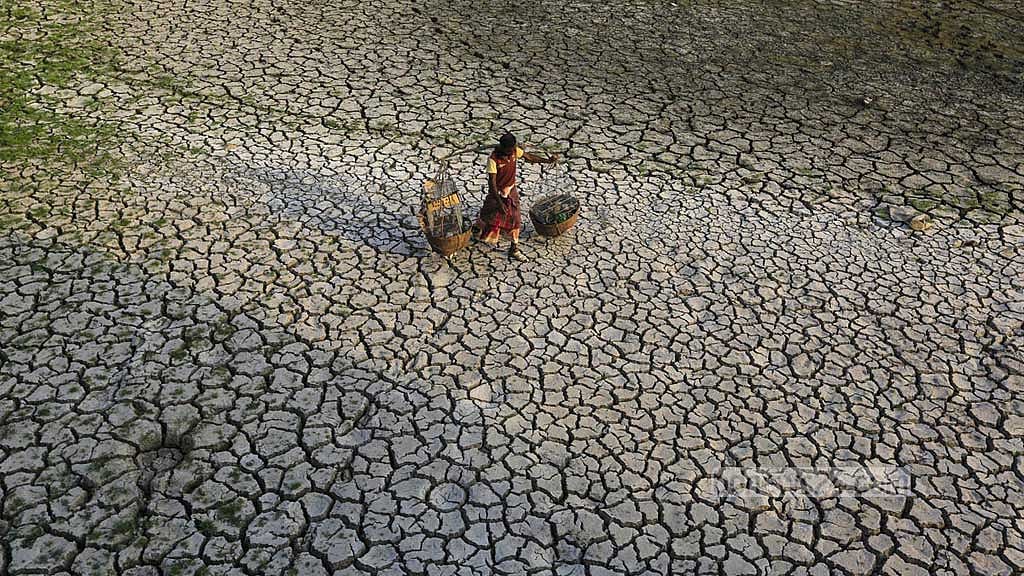
For Bangladesh, the most dangerous part of El Niño may not arrive as a single dramatic disaster. It could come in pieces -- a hotter season here, a failed crop there, an unexpected flood after heavy rain upstream, or a prolonged dry spell that quietly drains water supplies.
The World Meteorological Organization has forecast that the current El Niño could become one of the strongest seen in decades, with its influence lasting until February next year.
Scientists are watching for unusually warm waters in the equatorial Pacific, where temperatures could rise as much as 3.6 degrees Celsius above normal.
If temperatures rise that far, the event would rank among the most powerful on record.
BUET Institute of Water and Flood Management Director AKM Saiful Islam says the coming El Niño could rank as one of the strongest in 150 years.
The El Niño events of 1997-98 and 2015-16 saw sea-surface temperatures in the equatorial Pacific rise about 2.7 to 2.75 degrees Celsius above normal.
The strongest recorded event, in 1877-78, reached 3.58 degrees above normal.
This time, researchers fear the temperature could go even higher.
El Niño is a climate phenomenon in which sea-surface temperatures become unusually warm across the central and eastern equatorial Pacific. It typically occurs every two to seven years and can last for several months or more than a year.
Its effects do not remain in the Pacific. Through atmospheric and oceanic connections, it can alter rainfall, temperature, drought, flooding and storms across distant parts of the world.
Under normal conditions, trade winds blow from east to west across the Pacific, pushing warm surface water towards Indonesia and Australia while cooler water rises along the coast of South America.
During El Niño, those winds weaken. Warm water shifts eastwards towards South America, disturbing the climate patterns that influence weather far beyond the Pacific.
What Could It Mean for Bangladesh?
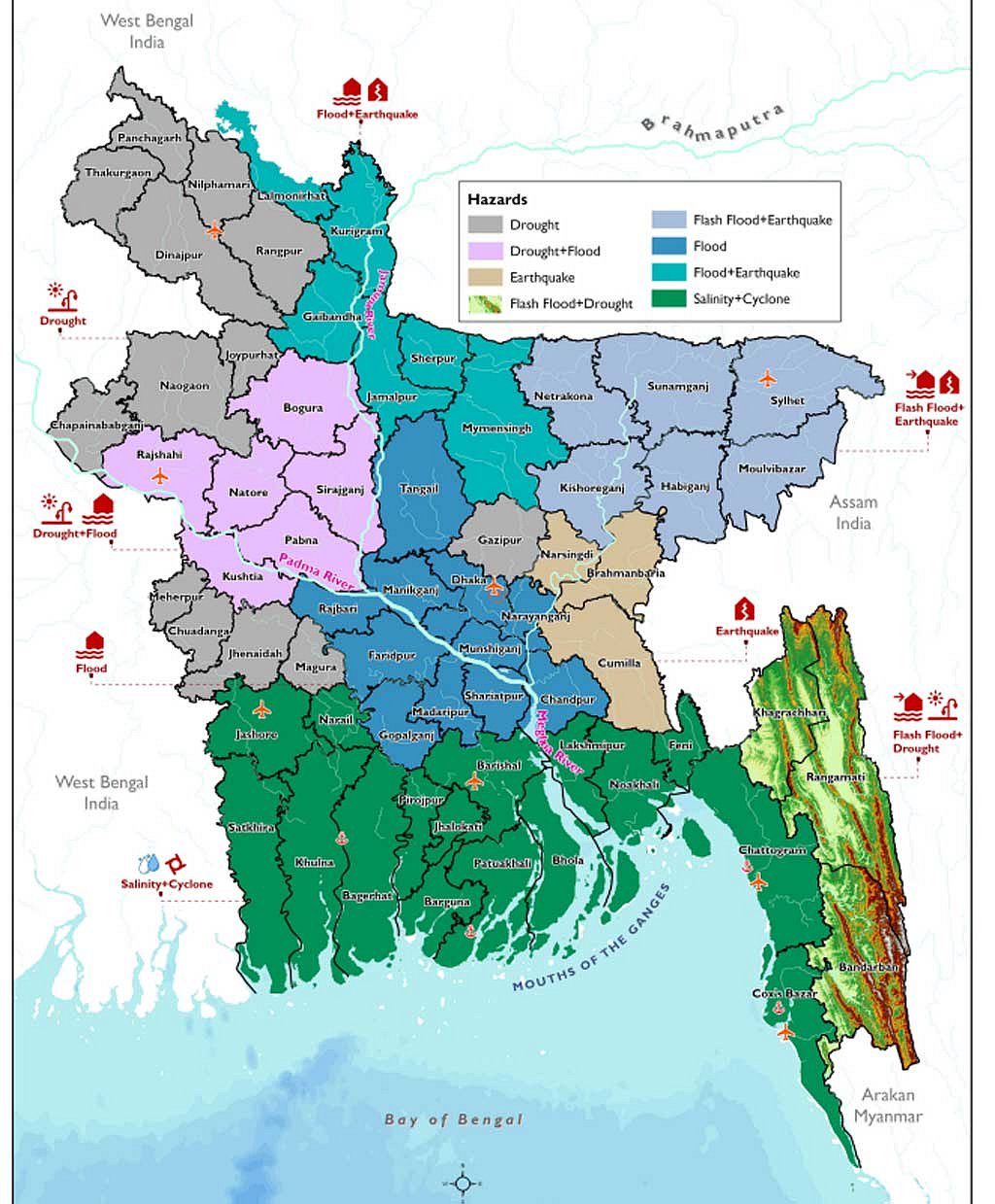
The effects are never identical from one region to another. For Bangladesh, the most likely changes could centre on temperature and rainfall, Saiful said.
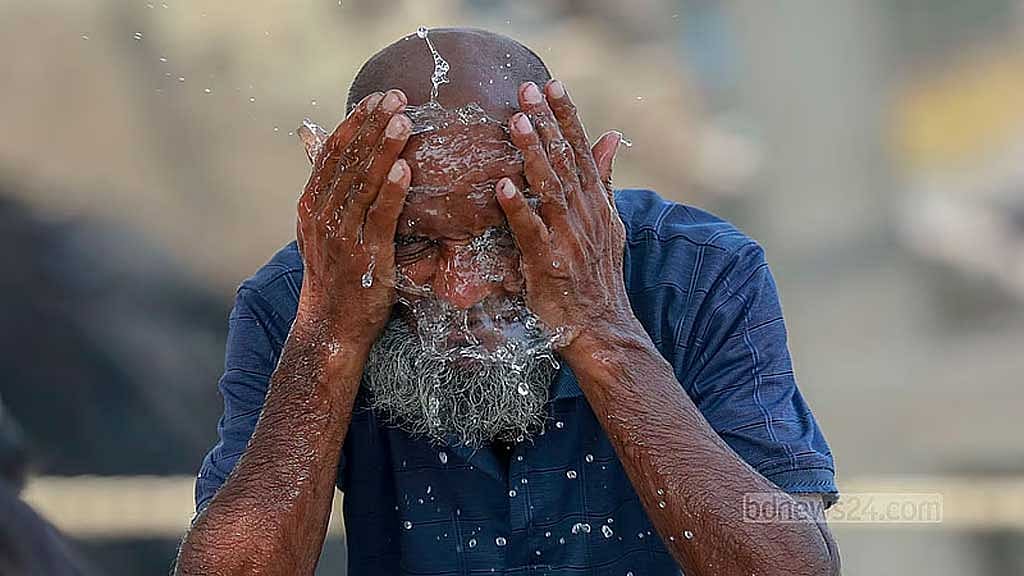
Some places could see heavier rain and flooding, while others could become drier. Heat could intensify enough to cause heat stress, while warmer seas can contribute to marine heatwaves and coral bleaching.
“We are not in the Pacific. The El Niño phenomenon is in the Pacific. We are in the Indian Ocean; the Bay of Bengal is part of the northern Indian Ocean,” Saiful said.
Yet geography does not provide insulation.
“Through teleconnection, we can be affected, and we have been affected in the past. But it does not mean that a specific impact will definitely occur whenever there is an El Niño,” he said.
The risks could range from heatwaves and drought to floods and powerful cyclones.
“Dry conditions may increase, such as a heatwave or drought next year. But that does not mean there will be no risk of flooding or a strong cyclone,” Saiful said.
“The sea temperature may rise and a strong cyclone may form, so we need to take the preparations we usually make.”
The consequences may also spread from one sector to another.
“Sometimes the impact from a disaster is what we call a cascading effect. And when two disasters occur together, such as a heatwave and drought, we call it compounding,” Saiful said.
“When these secondary impacts occur, other sectors are affected. The impact will be greater in Indonesia, the Philippines, Japan and East Asia than here.”
For Bangladesh, the effects could also arrive through international markets.
If El Niño damages crops in a major producing country, that country may need to import more food. Demand could rise in international markets, pushing up prices for countries that depend on imports.
Even if Bangladesh's usual supplier escapes the worst effects, disruption elsewhere could create a second round of pressure.
“If there is no impact in the country from which we import goods, there may be an impact in another country. Then we may have to import from that country as well. Prices may rise or shortages may emerge,” Saiful said.
“Today, the impact in one part of the world does not remain confined there. Its effects spread from one place to another.”
A hotter, drier Bangladesh could face additional health pressures. Heatwaves can increase heat stress, while changes in temperature and rainfall may create conditions favourable to mosquito-borne diseases such as dengue and malaria.
Water shortages could also increase the risk of waterborne disease where access to safe water becomes more difficult.
Farming could face a double squeeze. Drier conditions would raise demand for irrigation, increasing pressure on electricity supplies used to run pumps. Farmers could also face higher production costs, eventually feeding into food prices.
Warning Hidden in Rainfall Data
Hydro-Climate and Ocean Centre Executive Director Mohan Kumar Das says Bangladesh's temperature and rainfall patterns could shift under El Niño, but the effects would vary by region and season.
Research has found links between El Niño, conditions in the Pacific and Indian oceans, and temperature, rainfall and dry periods in Bangladesh.
Mohan, who is also joint secretary of the South Asian Meteorological Association, points to a study based on data from 1951 to 2017 covering five coastal districts.
It found that during El Niño years, average maximum temperatures were about 0.5 degrees Celsius higher than in normal years. Rainfall was also lower.
That combination could put additional pressure on agricultural water management.
Another study analysed data from 35 weather stations in Bangladesh between 1948 and 2012 and found that the relationship between El Niño and rainfall was not consistent across the country or throughout the year.
The Indian Ocean also matters. When sea-surface temperatures become unusually warm on one side of the ocean and relatively cool on the other, a pattern known as the Indian Ocean Dipole can develop.
Researchers have found significant links between the phenomenon and rainfall in parts of Bangladesh.
These interactions make a single climate indicator an unreliable guide to what Bangladesh will experience.
The broader climate system involving changes in sea-surface temperatures and atmospheric pressure across the equatorial Pacific is known as ENSO, which has three phases: El Niño, La Niña and neutral conditions.
To understand Bangladesh's rainfall, Mohan says, forecasts must therefore consider not only ENSO but also the Indian Ocean and the behaviour of the monsoon.
Another study using data from 1958 to 2017 found that El Niño's influence varied across Bangladesh according to both region and season. The type of El Niño also affected the outcome.
More recent research analysed data from 34 weather stations between 1985 and 2022.
It found trends in short, moderate and long dry periods at 82.35 percent, 73.53 percent and 50 percent respectively, while also examining differences between El Niño, La Niña and neutral conditions.
Taken together, the research points less to one predictable outcome than to a range of possible risks.
“If an El Niño forecast is available, it is important to prepare agriculture and water management in advance. Irrigation planning, water conservation, timely crop-management advice for farmers and preparations for temperature-related risks can be strengthened as needed,” Das said.
“At the same time, the situation in the Bay of Bengal, the Indian Ocean and the monsoon should be monitored regularly.”
He said Bangladesh should combine regional weather data, ocean conditions and seasonal rainfall forecasts instead of relying on a single indicator.
That would allow authorities to identify emerging risks earlier and prepare accordingly.
Seasonal Forecasts Could Make the Difference
Former Bangladesh Meteorological Department (BMD) director Samarendra Karmakar says the country needs better seasonal forecasting to navigate the uncertainty.
At times, sea temperatures in the Indian Ocean, Bay of Bengal and Arabian Sea can rise significantly above their normal range of about 30-31 degrees Celsius, he said.
“Here, the weather will not always correlate with El Niño. It has been seen that during an El Niño year, weather is normally dry in many parts of the world apart from Bangladesh. Abnormal rainfall may occur in some places, but the overall amount of rainfall is expected to be lower,” Samarendra said.
La Niña, the opposite phase in which Pacific waters become unusually cool, generally brings more favourable rainfall to the region.
But Bangladesh's history shows why a simple El Niño-equals-drought formula can be dangerous.
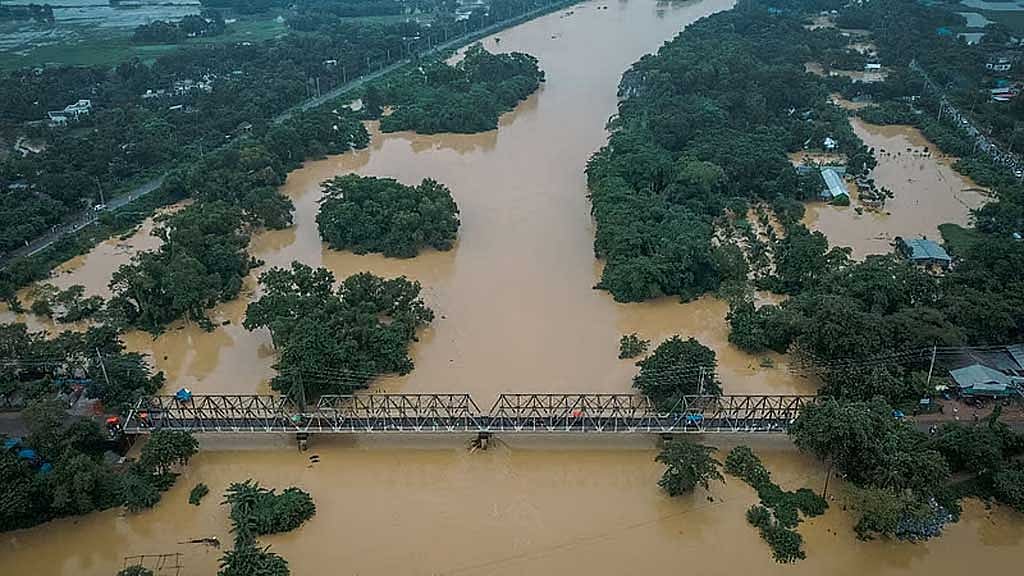
Major floods occurred in 1987, 1988 and 1998 -- all El Niño years.
“People often think rainfall decreases during an El Niño year. But major floods occurred in 1987, 1988 and 1998, all of them El Niño years. Why does that happen? Rainfall decreases in some places while becoming much heavier in others,” Samarendra said.
“If this rain occurs north of Bangladesh, near the foothills of the Himalayas, the water accumulates in the catchment areas and later flows into Bangladesh through the Brahmaputra, Ganges and Meghna rivers.”
“In 1987 and 1988, this happened. If the water levels of these three rivers rise at the same time or their flows converge, the severity of flooding increases significantly.”
Bangladesh can even experience flooding during the monsoon when rainfall within the country is relatively low. Heavy rain in upstream catchments can send large volumes of water downstream.
That is why El Niño's greatest threat may be its unpredictability rather than any single weather outcome.
Rainfall can become uneven, with intense downpours in one area and dry conditions in another. Some regions may face drought even as floodwaters threaten others.
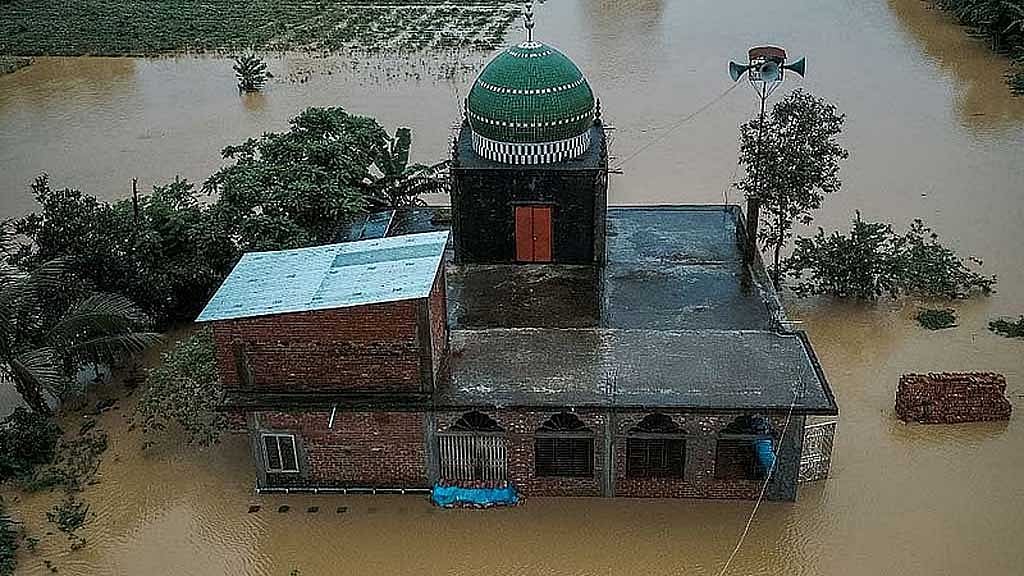
Karmakar says seasonal forecasts could help turn that uncertainty into something farmers and authorities can act on.
“If seasonal forecasts for rain and floods can be ensured, farmers and others concerned will be able to take advance warnings and preparations,” he said.
“If a forecast can be issued in advance that drought may occur in March-April or May, people, especially farmers, can be warned. If it is known that temperatures will be high, rainfall low and drought possible, farmers can prepare beforehand.”
For Saiful, preparation must begin before the effects become visible.
“We should be mentally prepared for possible disasters next year. There could be a strong cyclone, drought, and impacts on health as well. The government's forecasting and early-warning systems should be strengthened to deal with heatwaves,” he said.
“Subsidies could be provided for farmers. Fuel prices have already increased. So we should now move towards greater use of solar power, including solar-powered pumps.”
El Niño may begin thousands of kilometres away, but its consequences can travel through the atmosphere, oceans, rivers, farms, markets and public health systems.
For Bangladesh, the best response may therefore be neither alarm nor complacency. It is preparation -- built on better forecasts, closer monitoring and enough time for people to act before an extreme season arrives.