Published : 14 Sep 2013, 10:36 AM
Updated : 09 Aug 2022, 11:06 AM


The high-definition 360-degree images offer some of the most dramatic and remarkable landscapes to be seen in the islands that inspired the British scientist to develop his theory of evolution, reports The Independent.
It is the result of a joint venture between Google and the management of the Galapagos National Park and the Charles Darwin Foundation to mark the 178th anniversary of the great British scientist’s ground-breaking journey of 1835.
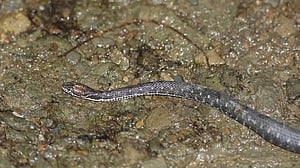
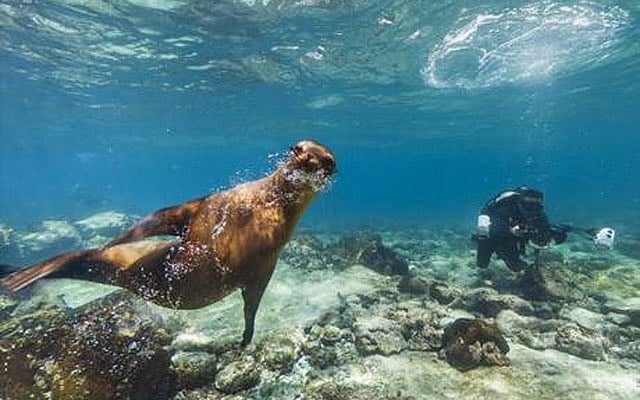
Some of the iconic animals living only on this bio-diverse and isolated habitat like giant tortoises, marine iguanas, and even some particularly inquisitive sea lions have been photographed.
"The natural history of this archipelago is very remarkable: it seems to be a little world within itself," Darwin wrote in the ‘Journal of researches’ after visiting the islands.
Situated in the Pacific Ocean, 19 islands and the surrounding marine reserve have been called a unique ‘living museum and showcase of evolution’.
Located at the confluence of three ocean currents, the Galapagos are a ‘melting pot’ of marine species.
Ongoing seismic and volcanic activity reflects the processes that formed the islands. These processes, together with the extreme isolation of the islands, led to the development of unusual animal life – such as the land iguana, the giant tortoise and the many types of finch – that inspired Charles Darwin’s theory of evolution by natural selection, says the UNESCO website.
It is a UNESCO World Heritage site.
Google say the latest addition to Street View is more than just a treat for armchair travellers.
“It will also play an instrumental role in the ongoing research of the environment, conservation, animal migration patterns and the impact of tourism on the islands,” The Independent quoted Raleigh Seamster, project leader for Google Earth Outreach, as writing.
The search engine giant says people will now be able to “step into Darwin’s shoes”, and as with normal Street View users can zoom in and out and move between images.