Published : 05 Sep 2022, 12:35 PM
Updated : 05 Sep 2022, 04:29 PM


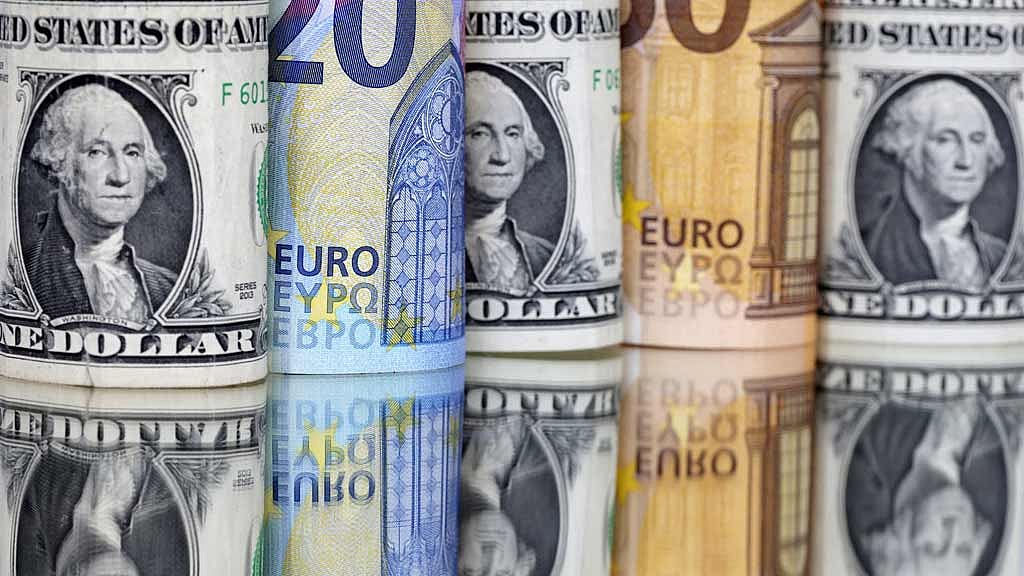
The euro sank to a new 20-year low on Monday and below $0.99 after Russia's halt to gas supplies down its main pipeline to Europe heightened fears about a deepening energy crisis across the region.
The euro has been increasingly correlated with natural gas prices in recent months, with the former falling when prices of the energy source rise.
Europe is scrambling to wean itself off Russian supplies and build up reserves before the cold winter months, but investors reckon the hit to its economy will be huge.
Russia scrapped a Saturday deadline for flows down the Nord Stream pipeline to resume, citing an oil leak in a turbine. It coincided with the Group of Seven finance ministers announcing a price cap on Russian oil.
The euro slid to $0.9876 in early European trade, the lowest level since 2002, while sterling -- with the British economy also vulnerable to rising gas prices -- dropped half a percent to a new 2-1/2 year low of $1.1444 GBP=D3.
"Gas flows have been curtailed even more than expected and we have already seen evidence of demand destruction weighing on activity," said Michael Cahill, a strategist at Goldman Sachs.
"We now expect the Euro to fall further below parity ($0.97) and remain around that level for the next six months," he added.
ECB MEETING
In what is a huge week for the euro, investors are also preparing for the European Central Bank meeting on Thursday and markets have priced a near 80% chance of a supersized 75 basis point (bp) interest rate hike 0#ECBWATCH.
ECB officials will be keen to see the euro, which has lost around 8% of its value in the past three months, stabilise. That will feed into the desire to try and tame inflation through tightening policy.
Other currencies that tend to perform badly when market confidence is shaken also fell on Monday. The risk-sensitive Australian dollar AUD=D3 slid 0.5% and was near a seven-week low at $0.6774.
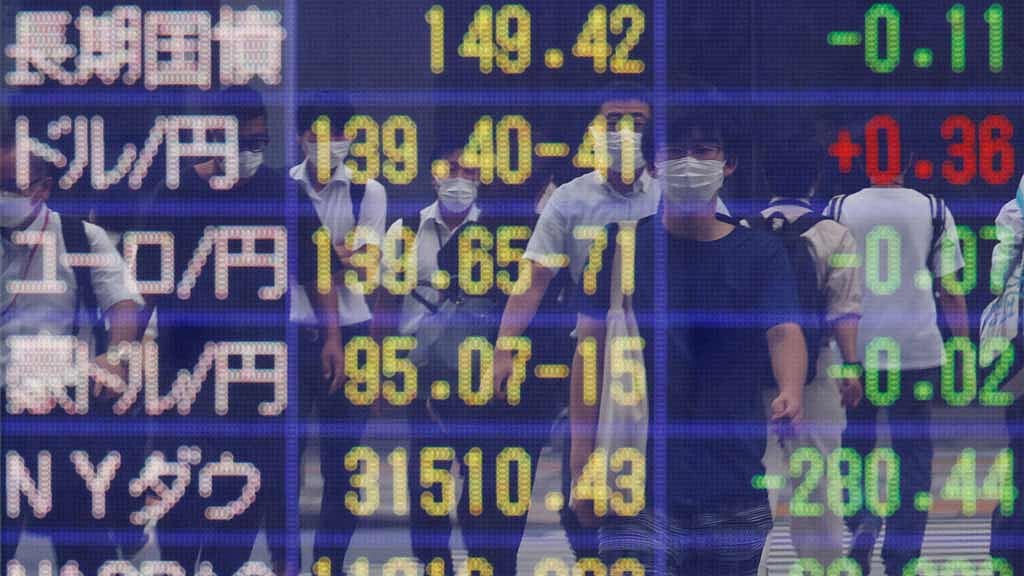
The dollar's appeal as the go-to currency this year helped it to rise even against safe-haven currencies. The Japanese yen down at 140.35 per dollar, was under pressure near a 24-year low.
"The first order effect seems to be that the heightened geopolitical risk and consequent adverse global demand shocks will probably be the effects dominating," said Vishnu Varathan, head of economics and strategy at Mizuho Bank in Singapore.
"The adverse demand shocks in a very unsavoury geopolitical environment are probably going to trigger, and reflect, safe demand for the US dollar ... the European currencies are perhaps going to be the worst hit and on the back foot.
The offshore yuan fell to a new two-year low, with the dollar gaining 0.4% to 6.9543 per dollar, as worries linger over COVID-19 lockdown measures in the country.
China's southern tech hub of Shenzhen said it would adopt tiered anti-virus restriction measures beginning on Monday, while Chengdu announced an extension of lockdown curbs, as the country grapples with fresh outbreaks.