Published : 16 Nov 2026, 09:35 AM
Updated : 16 Nov 2026, 09:37 AM


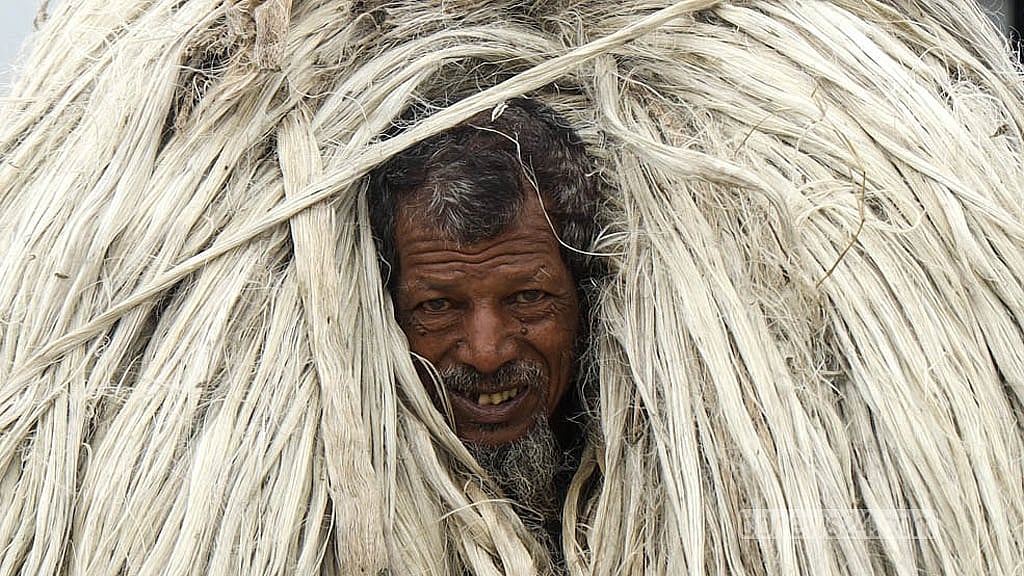
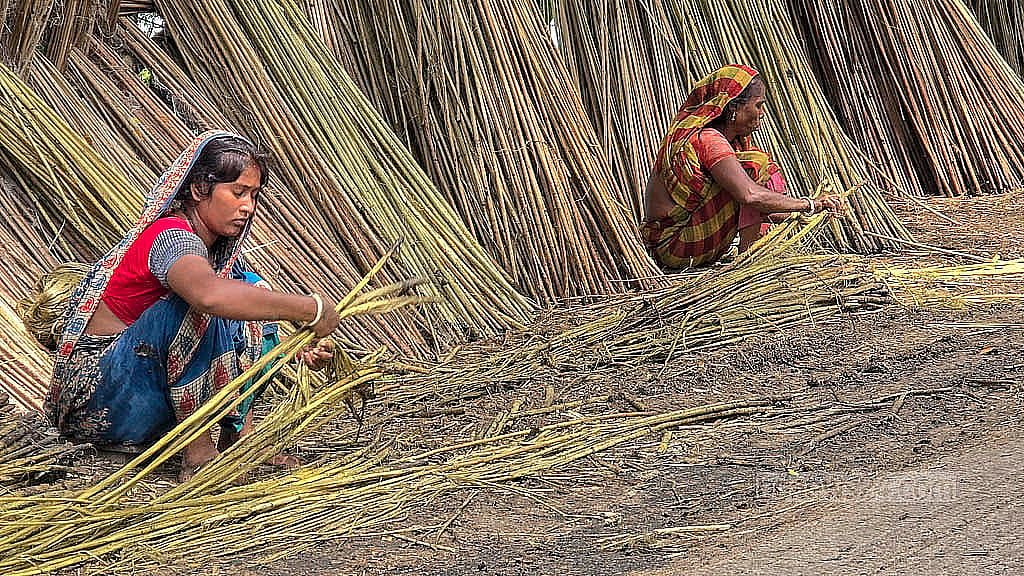
Bangladesh’s earnings from jute and jute goods exports to India have nearly doubled despite trade barriers, while leather shipments have also maintained positive growth.
Garment exports, however, have slipped.
The country earned $77.92 million from jute and jute goods exports to India in the first four months of the 2026-27 fiscal year, from July to October, according to the latest country-wise export figures released by the Export Promotion Bureau (EPB).
The earnings were up from $42.65 million during the same period last fiscal year.
In contrast, garment exports to India fetched $250.87 million during the four months, down 5.38 percent from $265.14 million a year earlier.
Higher earnings from jute helped Bangladesh maintain overall export growth in the Indian market. Shipments across sectors brought in $650.31 million during July-October, up 2.63 percent year-on-year.
Diplomatic tensions between Bangladesh and India have persisted for more than two years, following the July Uprising in 2024 and the ouster of Sheikh Hasina, who subsequently took shelter in India.
Amid the strained ties, India withdrew a transshipment facility on Apr 9 last year that allowed Bangladeshi goods to reach third countries through Indian ports.
Garments, jute and jute goods, leather and leather products, and plastics are among Bangladesh’s major exports to India. Clothing accounts for nearly half of the total shipments to the neighbouring country.
On May 17 last year, India's Directorate General of Foreign Trade (DGFT) restricted garment imports from Bangladesh to the Nhava Sheva and Kolkata seaports.
It also barred several categories of Bangladeshi goods from entering four northeastern states through land customs stations and integrated checkposts.
A similar restriction was imposed at the Changrabandha and Fulbari land customs stations in West Bengal.
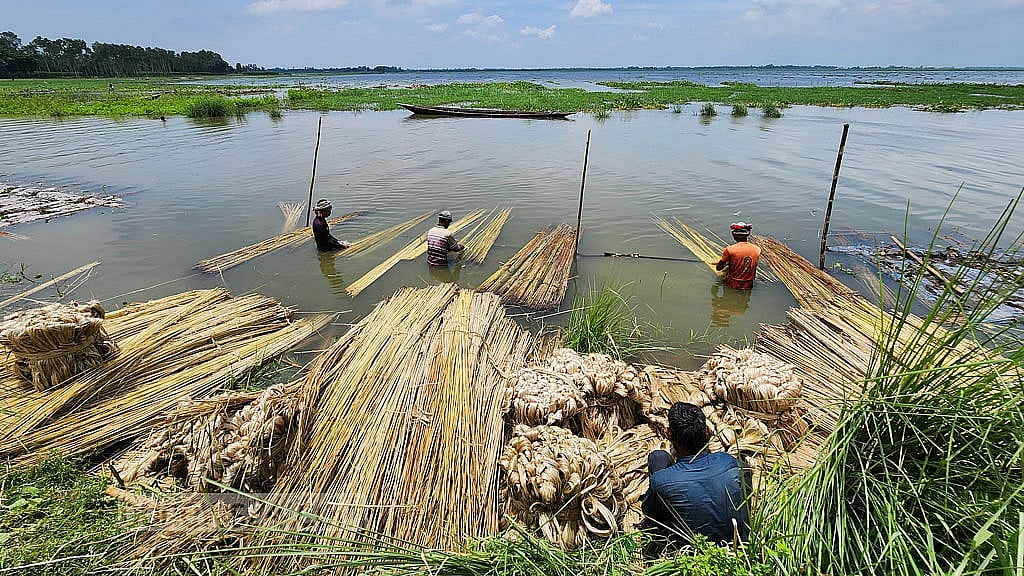
On Jun 27, India further barred imports of jute, jute goods and fabrics from Bangladesh through land ports.
Most Bangladeshi goods had traditionally entered India by road, with Benapole serving as the main gateway.
Jute and jute goods account for around 25 percent of Bangladesh's export earnings from India.
Under the restrictions, these products can still enter through the Nhava Sheva Port, while shipments to Nepal and Bhutan through India remain permitted, subject to a ban on re-export to India.
Bangladesh's interim government had earlier banned yarn imports from India through land ports on Apr 15, 2025, to protect the country's textile and spinning industries.
The subsequent Indian restrictions are widely believed to have been a response.
EPB figures show that Bangladesh earned $346.37 million from jute and jute goods exports worldwide during July-October, up around 25 percent year-on-year.
India contributed $77.92 million, or 22.5 percent of the total.
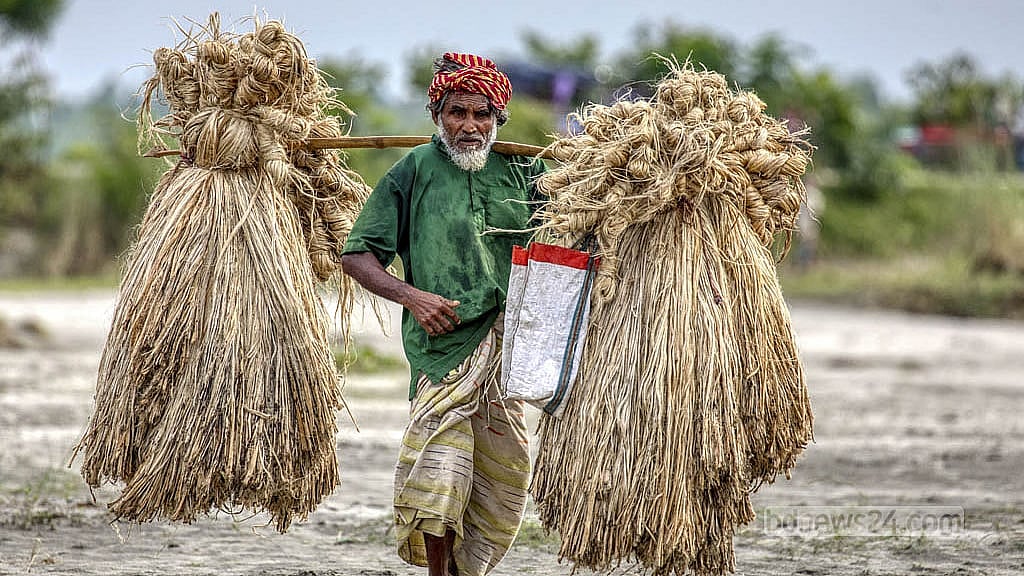
Tapash Pramanik, president of the Bangladesh Jute Spinners Association (BJSA), told bdnews24.com that higher export earnings were a positive sign for the sector.
He, however, cautioned that the increase largely reflected higher prices rather than a significant rise in export volumes.
He attributed the price rise partly to growing global demand for environmentally friendly jute products, but said higher raw jute costs had also pushed up production expenses.
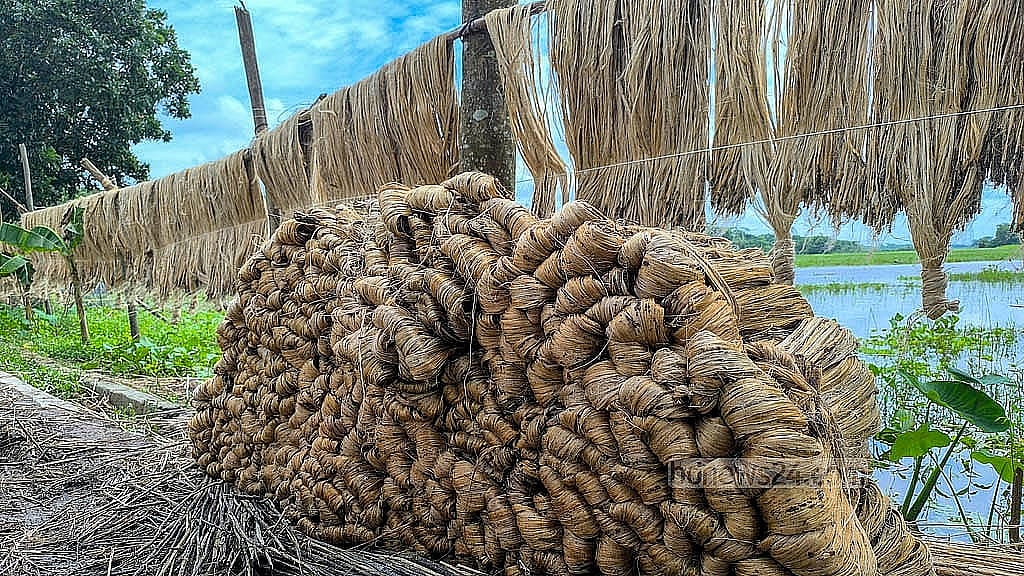
Raw jute prices have climbed from Tk 3,800 to Tk 5,600 per maund since the beginning of the season.
Tapash lamented the closure of 35 state-owned jute mills and said smoother raw material supplies and incentives to explore new markets were essential to raising annual exports to $2-3 billion.
“Once again, there is hope for jute. Let us see what happens,” he said.
Global demand is rising for jute home furnishings, shopping bags, textiles, automobile products and packaging, while jute-stick charcoal is finding buyers in China and elsewhere.
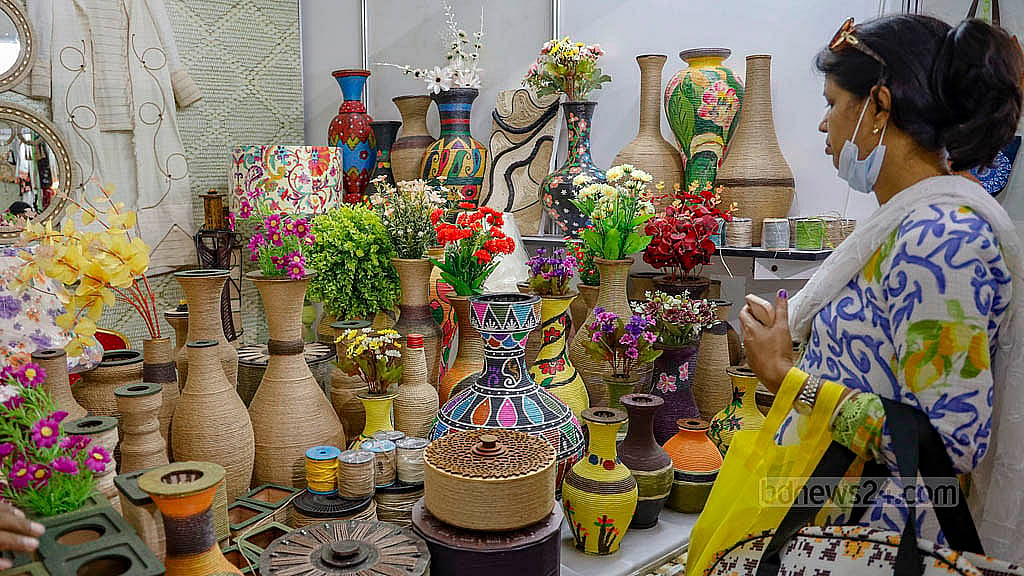
Rashedul Karim Munna, president of the Bangladesh Multipurpose Jute Products Manufacturers and Exporters Association, said annual exports could reach $2-3 billion with more high-value products and policy support.
Jute exports hit a record $1.16 billion in fiscal 2020-21 but fell to $820 million in 2024-25. Earnings recovered 7.75 percent to $883.7 million last fiscal year.
Bangladesh, the world's second-largest jute producer, aims to double sector earnings to $2 billion by 2031.
Leather exports rose 12.47 percent to $465.05 million in July-October, with India accounting for $35.04 million.
Global garment exports grew 5.82 percent to $13.75 billion, but shipments to India fell 5.38 percent to $250.87 million.
Exports rose in major markets, including the US, UK and EU, while Turkiye recorded 107.05 percent growth.