


Published : 05 Dec 2015, 11:57 AM
Updated : 19 Oct 2022, 07:05 PM


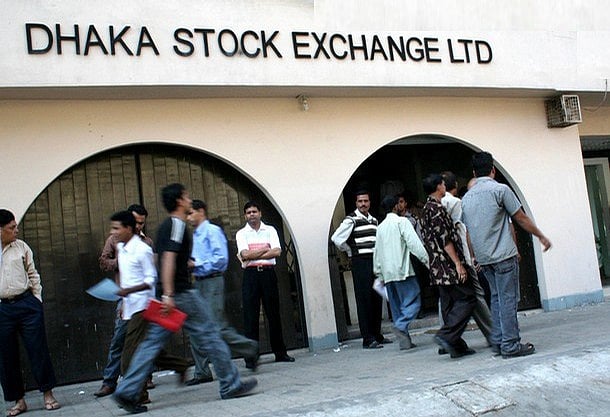
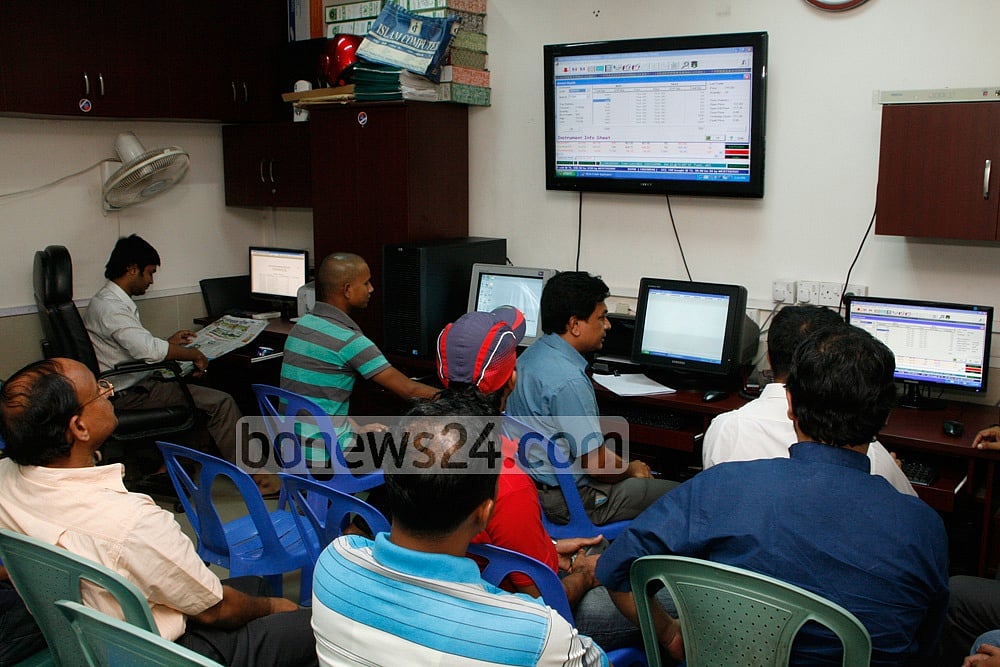
During that crash, most small investors not only lost much of their invested money but also became indebted to the stock brokers and merchant banks for the margin loans they had taken.
Did this financial blow help Bangladeshi investors become more rational?
Are they leaving behind the rumour-based trading said to be one of the reasons behind the biggest crash in the history of the Bangladesh stock market?
The answer is yes and no.
Md Ruhul Amin Akanda, who leads an association of small investors, told bdnews24.com: “Before 2010 most of the small investors made their investments based on rumours and gossip; they took advice from their friends, family members and fellow workers about which share they should buy, hold or sell."
But Akanda feels that has changed.
"They bled enough during the crash. Now they check the fundamentals of the company, its profit growth, its history of paying dividends, its underlying assets and its cash flow.
"But before anything else, they check out who owns the company," said Akanda.
Gulshan Ara, assistant manager of a brokerage house Sharp Securities told bdnews24.com: “Investors are becoming more careful; they look out for the right kind of information. They follow the profit record and check out the fundamentals."
"But they still get carried away at times by the movement in the market, investing in shares that are going up quickly," Ara said.
Farid Ahmed, an authorised representative of brokerage house Mona Financial Consultancies, who manage investor portfolios, told bdnews24.com: “Investors continue to be influenced by rumours. But there is one significant change – they no longer go for margin loans to buy stocks.”
Which means they don’t risk indebtedness even if prices drop sharply. "They only risk losing their own funds if they have not taken margin loans."
"When I trade on the basis of proper information, my decisions are sound and I make profits."
Suborna Barua, research head at Royal Capital Limited, told bdnews24.com, “Our research shows that small investors are more aware now, they are more market savvy and intelligent than before.”
IDLC Investments Ltd’s Managing Director Md Muniruzzaman told bdnews24.com, “The task of the market manipulator has become tougher as investors are now more aware and more reluctant to take loans for share trading as speculation-based trading has become unprofitable.”
“But the rumour-based trading will never stop, because there is always a lure of extraordinary profits,” said Muniruzzaman.
He pointed to some recent cases when a few stocks just soared sharply because of rumours possibly generated by the promoters.
Such stocks also have a tendency to drop sharply because those who have bought them up are quick to book profits.
The lesson is simple but yet to be driven home to investors in Bangladesh's bourses — every stock that goes up too fast comes with the risk of falling even faster, because fundamentals and not speculation sustain a good stock of a good company.













