


Published : 20 Feb 2020, 09:48 PM
Updated : 08 Apr 2022, 02:22 AM


The supply chain has already been disrupted with extended delay to factories reopening and uncertainty about work resuming is setting in as the coronavirus outbreak continues to spread in provinces and cities.
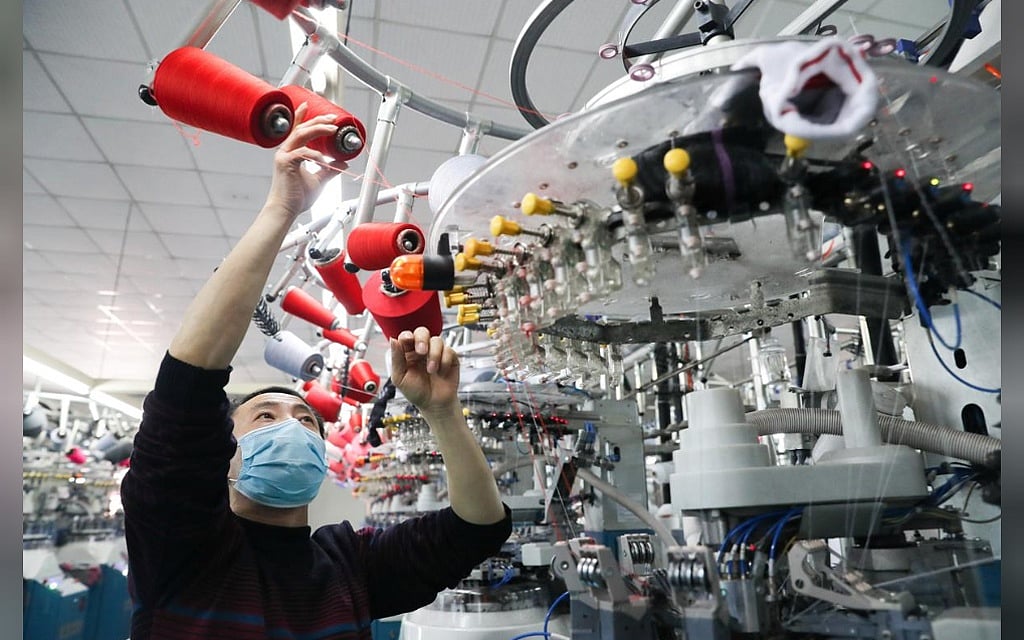
The Chinese factories began to roll slowly following the 2020 holiday season, but they could not return to full production due to a lack of factory staffing. Transportation of goods is also halted and the authorities cannot say how long production disruptions will continue in China.
The Chinese exporters have told the importers in Bangladesh that things will go back to normal in next 10 to 15 days.
China will speed up port activities to make up for the losses, Chinese Ambassador in Dhaka Li Jiming has said.
Bangladesh imported goods worth Tk 1.14 trillion from China in the 2018-19 fiscal year, which was 26 percent of its total import.
According to the readymade garment industry, China is the sole country to import at least 40 types of raw materials from. These include threads, fabrics, zippers and buttons.
Also, toys, electronics, electrical goods, agricultural equipment, onion, ginger, garlic, kinoo, orange, apple, machinery, steel materials, chemicals, shoes, spectacles are also imported from the East Asian nation.
The importers have been reluctant to go for alternative markets until now, even though they are available.
The Lunar New Year holiday begins in the first week of January in China and lasts about 25 days. The factories generally go back to production by the first week of February. But this year the factories are yet to fire up due to the coronavirus epidemic.
Bangladesh makes 92 percent of its export earning form the readymade garment sector. Therefore, this sector is confronting the highest threat emerged due to the coronavirus crisis.
The supply chain has been disrupted severely for the past few days and the impact is growing every day, Mashiul Azam Sajal, vice-president of Bangladesh Garment Manufacturers and Exporters Association, told bdnews24.com.
Nobody knows what will happen ahead but the factory owners are quite worried, he said.
“We are losing the orders as well as the supply of raw materials. We can’t even take orders from the buyers -- much less bargain with them. This phase will continue until May, even if the situation in China returns to normal now.”
Some of the offices in China could go back to work but not the factories, as 60 percent of the workers could not come to factories, he said.
Many of the factories in Bangladesh have had three to four of their production lines stopped. There will be more unemployment if the crisis lingers as the factories would not be able to pay the wages of their hundreds of workers, said Sajal.
Competitors in the garment sector – Vietnam, Cambodia, Pakistan and Turkey – are better placed than Bangladesh is, according to the senior BGMEA official.
Pakistan is already armed with backward linkage while Vietnam and Cambodia bring goods by road from China, he explained. But it takes at least 15 days for the goods to reach Bangladesh by ship.
The garment sector in Bangladesh has around 1,700 companies connected to the backward linkage. All of them produce buttons, zipper, colour and other accessories by using their own capacity with the raw materials imported from China.
The backward linkage products are the worst hit by the coronavirus crisis in China, said Ocean Accessories Managing Director Mir Abdus Sattar Molla. There are around 37 products in this sector, 34 of which are imported directly from China. Only 4 or 5 products like carton, polybag needed for packaging have their raw materials imported from the countries other than China. Prices of the accessories have already shot up 10 to 15 percent, he said.
The crisis is not visible now, as most of the garment factories have a supply in hand needed for a month, Molla said. But the crisis will intensify if the situation in China does not become normal in a week, he added.
“The sector will feel the main blow of the coronavirus crisis in China the next month. Though the ports will start operating, there could be a gridlock. Some of the factories in Bangladesh are already facing trouble. We’re still not sure when China will start their exports,” Convince Zipper Managing Director Rafez Alam Chowdhury told bdnews24.com.
China accounts for 95 percent of the spectacles market. The traders in Bangladesh import eyeglasses only from China due to their low costs.
Eyeglasses are an emergency product which is solely dependent on China, said Bangladesh Spectacle Industry Traders Association President Sanaullah Khan.
“The import has remained suspended since Jan 10. We’re trying to contact them almost every day. We’re not sure when the import will resume. Mostly, the eyeglasses are imported from Guangzhou and Shanghai,” Khan said.
The spectacle industry is not affected now but it will face a crisis in two months, he said.
“It takes two months to produce a product after the order is placed and another month for shipment. It may take four months to resume the spectacle import.”
Almost all of the electronic motor pumps in the country are imported from China, said Nasiruddin from Shifang Machine House in Nababpur. But the sector will not face any problem in the coming months, he said.
Import of all big and small machines, water pumps, electric motors and other machinery are depended on China, Bangladesh Electrical Motor Pump Importers Association Secretary Shahidul Islam Shopon told bdnews24.com.
“The market should not be affected if the import is halted for a month, but keeping products can prove a big problem as they can’t be stored for long,” he added.
“The importers have stocked up on some products due to the New Year holiday in China. That’s why prices have not shot up yet. But the market will be affected by the end of March.”
A market worth Tk 250 billion has developed in Nababpur based on the Chinese machinery, Shahidul Alam Shopon said. “South Korea or Taiwan won’t be able to produce these products at such a low price.”
Most of the raw materials needed to make batteries are available in the country, but the factories depend on China for 10 percent of raw materials, including plastic globules, said ATM Mostafa, proprietor of Abdullah Battery. “It will not be affected for the next one month but Bangladesh has to look for an alternative market if the crisis lingers,” he said.
Pears, oranges, apples and grapes are imported from China, said Fresh Fruit Importers Association Treasurer Shamsul Haque. But the fruit market will not be affected much as there is an alternative market for those fruits, he said.
A big supply of ginger and garlic comes from China, said Abdul Majed, a trader in Shyambazar. But there is nothing to worry about as an alternative market for the produce is available, he said.













