Published : 10 Jul 2023, 10:35 PM
Updated : 10 Jul 2023, 10:37 PM


India and Bangladesh are set to usher in a new era of trade through rupee on Tuesday, with the start of payments for exports and imports in the Indian currency through four banks – two from each country.
Letters of Credit or LCs can also be opened through rupee in these banks once the new system is launched at an event at a Dhaka hotel.
The banks are Sonali Bank, Eastern Bank Limited, the State Bank of India, and ICICI bank.
Bankers, economists and traders believe the rupee trade will decrease the dependency on the US dollar and ease the pressure on Bangladesh’s foreign currency reserves.
For rupee trade, Sonali Bank and EBL have opened nostro accounts, or accounts that a bank holds in a foreign currency at another bank, at the Indian banks.
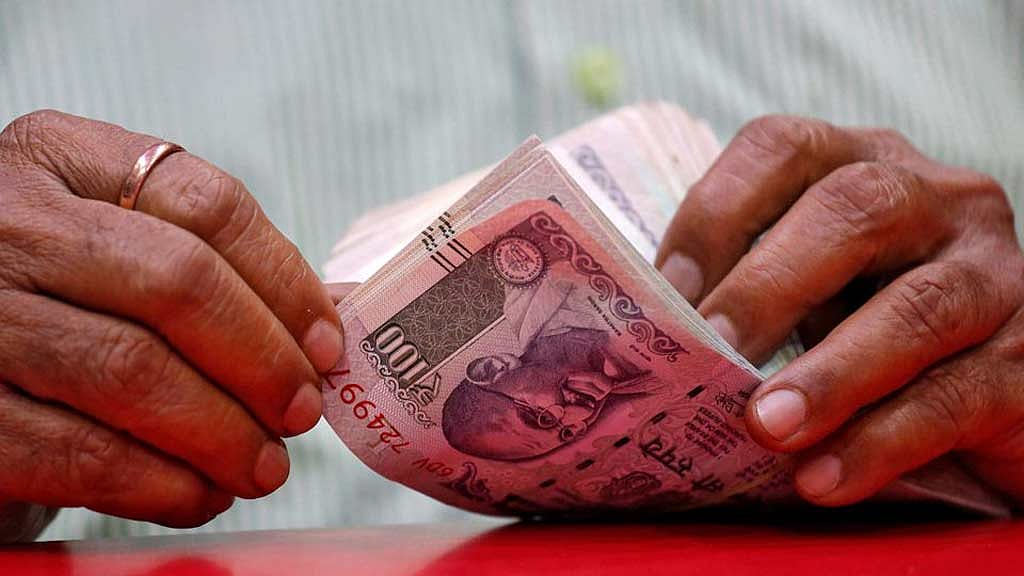
Through the nostro accounts, exporters can bring their proceeds while importers will pay the bills – both in rupee – by using the Real Time Gross Settlement system, said EBL Managing Director Ali Reza Iftekhar.
He hopes taka will later be added to the new trade system.
Sonali Bank officials said the trade will be done through the taka-rupee exchange rate set by the Bangladesh Bank. More details will be fixed later.
Iftekhar said the new system will reduce the cost that countries pay for differences between exchange rates.
The settlements will also be faster, he said.
Professor Mustafizur Rahman, a distinguished fellow at the Centre for Policy Dialogue, said Bangladesh can use rupee trade to import products under the Indian line of credit.
“Bangladesh currently exports goods worth $2 billion to India. I’ve learnt that import bills of the same amount can be paid to India in rupee. It means we will need $2 billion less of the greenback for foreign trade,” he said.
On Sunday, the exchange rate of the dollar was Tk 109. By the end of April, the exchange rate of rupee was Tk 1.26.
According to the central bank, Bangladesh paid India around $13.7 billion for imports in 2021-22 fiscal year, or over 18 percent of the total imports. Bangladeshi traders exported goods worth around $2 billion to India.
India said it was seeking to trade in rupees with nations facing a shortage of dollars so as to "disaster-proof" them and effectively boost its exports.
Bangladesh, on the other hand, is exploring ways to ease pressure on its dwindling dollar reserves.