Published : 25 Jan 2025, 10:29 AM
Updated : 28 Aug 2026, 01:17 AM


The price of rice in Dhaka has risen once again, reversing a brief dip earlier this month.
In less than a week, the cost of rice has climbed by an average of Tk 2 per kg depending on quality.
At bustling markets in the capital, including Karwan Bazar, Krishi Market, and Town Hall Bazar, consumers expressed frustration as prices for staple foods continued to rise on Friday.
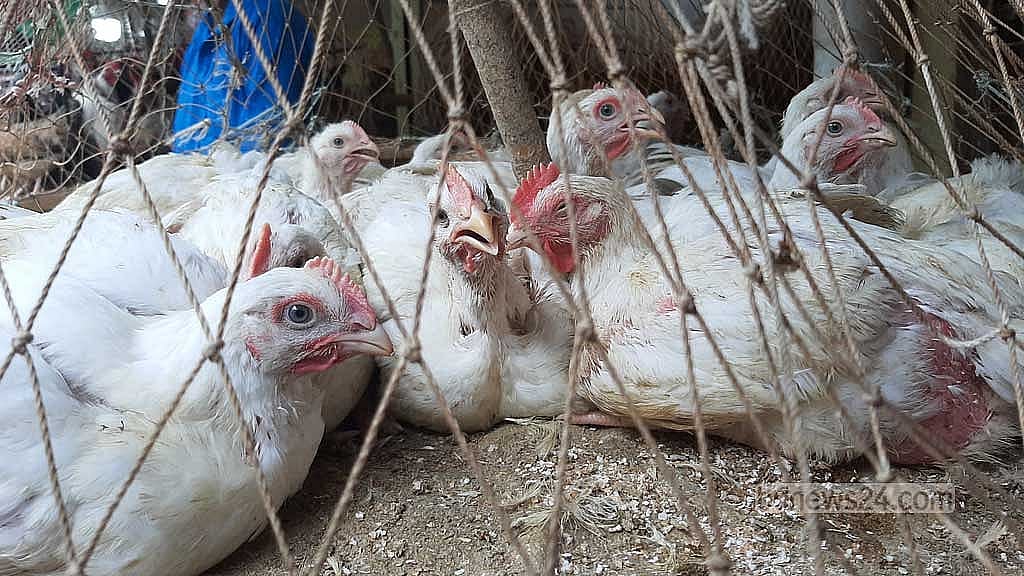
While vegetables remain affordable, other key protein sources have seen sharp increases. Broiler chicken, a primary source of protein for many, has now surpassed Tk 200 per kg, and several types of fish have followed suit with similar price hikes.
As of Friday, the average price for Miniket rice in Dhaka’s markets was reported at Tk 80 per kg, up from Tk 78 the previous week. A month ago, the price was slightly lower, between Tk 76 and Tk 78.
Nazirshail rice, another popular variety, has seen similar increases. Retail prices now range from Tk 78 to Tk 90 per kg, depending on quality, compared with Tk 78 to Tk 88 last week, and Tk 76 to Tk 82 a month ago.
The price of coarse rice, however, has remained relatively stable, fluctuating between Tk 50 and Tk 56 per kg, depending on quality.
Farida Yasmin, a shopper at Mohammadpur’s kitchen market, noted the shift in prices, saying: “Last month, the price of fine rice was lower than the rates today.”
Meanwhile, rice trader Mohammad Ishaqul Hossain Sweet said: “We don’t have a proper system for storing rice. Other countries stock up during the rice season, but here, middlemen control the market due to the lack of a strong storage system.”
Agriculture Advisor Md Jahangir Alam Chowdhury also weighed in on the issue, confirming that both fine and coarse rice prices have increased. He suggested that a syndicate was behind the price hikes, further contributing to market instability.

In an attempt to address the ongoing price volatility, the interim government withdrew import duties and regulatory duties on rice on Oct 31, 2024. Despite this move, there has been little visible impact on the market.
On Jan 7, the Advisory Council Committee on Government Procurement approved the purchase of 50,000 tonnes of non-basmati rice from India to help stabilise prices.
However, this initiative, along with the arrival of nearly 52,000 tonnes of rice from India in late December and early January, has yet to yield any significant changes in the market.