Published : 09 Oct 2026, 12:27 AM
Updated : 09 Oct 2026, 12:27 AM


Uncertainty over Prime Minister Tarique Rahman’s possible Delhi visit and political tensions have not stopped Dhaka and New Delhi from trying to clear obstacles to bilateral trade.
The 16th meeting of the Joint Working Group on Trade began in New Delhi on Thursday, with the two sides discussing ways to ease import and export restrictions, a Bangladeshi official and a diplomat told bdnews24.com.
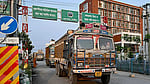
“Bangladesh mainly stressed the removal of port-related restrictions,” the diplomat said.
Other issues included aligning HS codes, facilitating trade through customs stations at land ports, removing restrictions under foreign direct investment policy, and SAFTA rules of origin.
“India also spoke about removing port restrictions on yarn and other products,” the diplomat said.
India also raised product standards and expanded the use of railways and inland waterways for trade, he said.
Both sides agreed to address the issues through regular and constructive discussions.
Bangladesh raised continued duty-free access to India after graduating from the LDC category, removal of non-tariff barriers, and the opportunity to export goods to Nepal and Bhutan through Indian territory.
India, meanwhile, sought the reopening of border haats, greater rail connectivity and removal of high tariffs on Indian imports.
Bangladesh’s 10-member delegation is led by Aysha Akter, additional secretary of the FTA wing of the commerce ministry.
The group includes officials from the railways ministry, NBR, Bangladesh Land Port Authority, Bangladesh Trade and Tariff Commission, foreign ministry and BSTI.
The JWG usually meets annually. Its 15th meeting was held in Dhaka on Sept 26-27, 2023. The forum stopped meeting after the Awami League government fell amid mass protests in August 2024, straining bilateral ties.
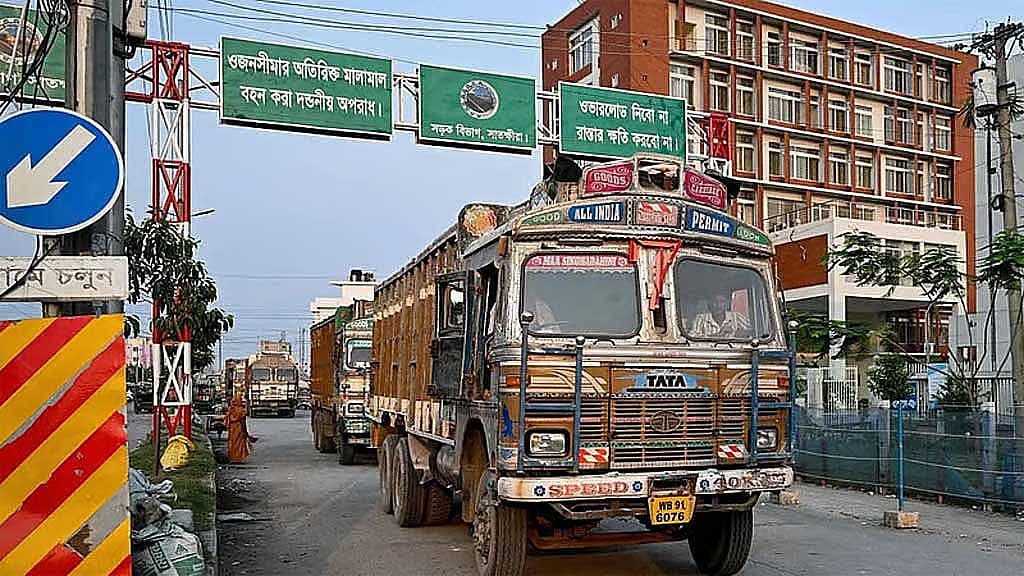
In April 2025, Bangladesh halted yarn imports from India through five land ports. India later restricted land imports of Bangladeshi garments, processed food, plastics and PVC, followed by curbs on jute and some textile products in June.