


Published : 29 Aug 2017, 07:13 PM
Updated : 11 Apr 2022, 09:17 PM


In a separate statement, New York-based Human Rights Watch said new satellite data is consistent with widespread burnings in at least 10 areas in northern parts of Myanmar’s Rakhine.
The burnings follow a series of coordinated attacks by ethnic Rohingya militants on August 25 against dozens of Myanmar government checkpoints and bases, it said.
The UNHCR in a statement on Tuesday said in light of the dramatic worsening since Friday of the situation, they have communicated to the Bangladesh government “its readiness to support Bangladesh in helping refugees fleeing across the border”.
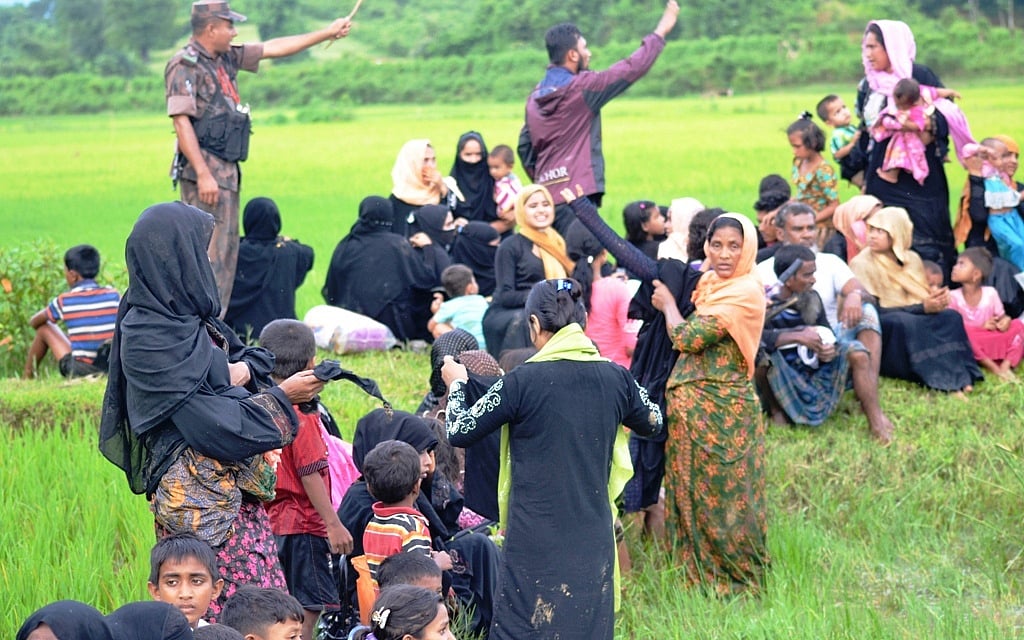
Several thousand Muslim Rohingya people were reported to be in locations along the Myanmar side of the border.
UNHCR also underscored the UN secretary-general’s statement in which he condemned the violence in Rakhine State.
On the Bangladesh side of the border, some people are in cordoned-off areas near the border, and others are mainly in the Kutupalong area.
Most are women, children, or the elderly, and there have been reports of wounded people among them.
Aid efforts involving the Bangladeshi authorities, local communities, UNHCR partners and NGOs have been under way, including to get food, water, and medical help to the new arrivals.
Numbers of people needing help may rise further over the coming days.
UNHCR said it is also aware of several reported instances of people being prevented from entering Bangladesh. “This poses very grave risk to the individuals affected.”
Bangladesh has hosted refugees from Myanmar for decades, and “UNHCR believes it is of the utmost importance that it continues to allow Rohingya fleeing violence to seek safety there”.
UNHCR also calls on the international community to support Bangladesh in doing so, with all necessary aid and other help.
In Rakhine, meanwhile, the security situation means that access to populations in need of help is severely restricted.
“We are appealing to the Myanmar authorities to do everything possible to facilitate humanitarian help and ensure the safety of our staff,” UNHCR said.
New satellite data
Phil Robertson, deputy Asia director of Human Rights Watch, said the new satellite data should cause concern and prompt action by donors and UN agencies to urge Myanmar to reveal the extent of ongoing destruction in Rakhine.
Shuffling all the blame on insurgents does not spare the Myanmar government from its international obligations to stop abuses and investigate alleged violations, Robertson said.
Concerned governments should press for independent investigations of serious rights violations, or there will be many more victims, the rights group said.
On August 25, Arakan Rohingya Salvation Army or ASRA militants attacked at least two dozen different police posts and checkpoints and one military base across three townships in northern Rakhine state.
The government initially reported that dozens of people were killed in the fighting, including 11 members of the security forces. The reported death toll has since climbed to over 100, including Rohingya insurgents.
The attacks follow a buildup of military forces with the deployment of the 33rd Light Infantry Battalion in northern state, which is predominately home to Rohingya Muslims.
Both ARSA insurgents and the army accused the other side of committing abuses. Thousands have fled their homes amid ongoing fighting.
Satellites initially detected active fires on the early afternoon of August 25 in the village tracts of Zay Di Pyin and Koe Tan Kauk in Rathedaung township, the Human Rights Watch said.
On August 28, satellites located fires in another eight locations from mid-morning to early afternoon, including in Maungdaw town and several other villages in Maungdaw township.
Human Rights Watch noted that many additional fires in northern Rakhine State might not have been detected during this assessment period because of limitations in the resolution of the environmental satellite sensors used and heavy clouds during the monsoon season.
Human Rights Watch compared the locations of these fires with witness statements it has collected and media reports, and found a correlation with some reported incidents where residences have allegedly been deliberately burned.
For instance, one man who fled to Bangladesh from Taung Pyo Let Yar village, near where Human Rights Watch detected active fires, said he witnessed security forces shooting people as they chased militants, and that homes were set ablaze: “Everything has been burned to ashes by now,” he said.
The Watch group, however, said it was not technically possible to determine the cause of fires detected with these satellite sensors nor exclude the possibility these are naturally occurring fires unrelated to the conflict.
It noted the information documented bears a close resemblance to that found during widespread arson attacks in Rakhine during violence against Rohingya refugees in 2012 and 2016.













