Published : 25 Aug 2018, 12:05 PM
Updated : 19 Oct 2022, 02:18 PM


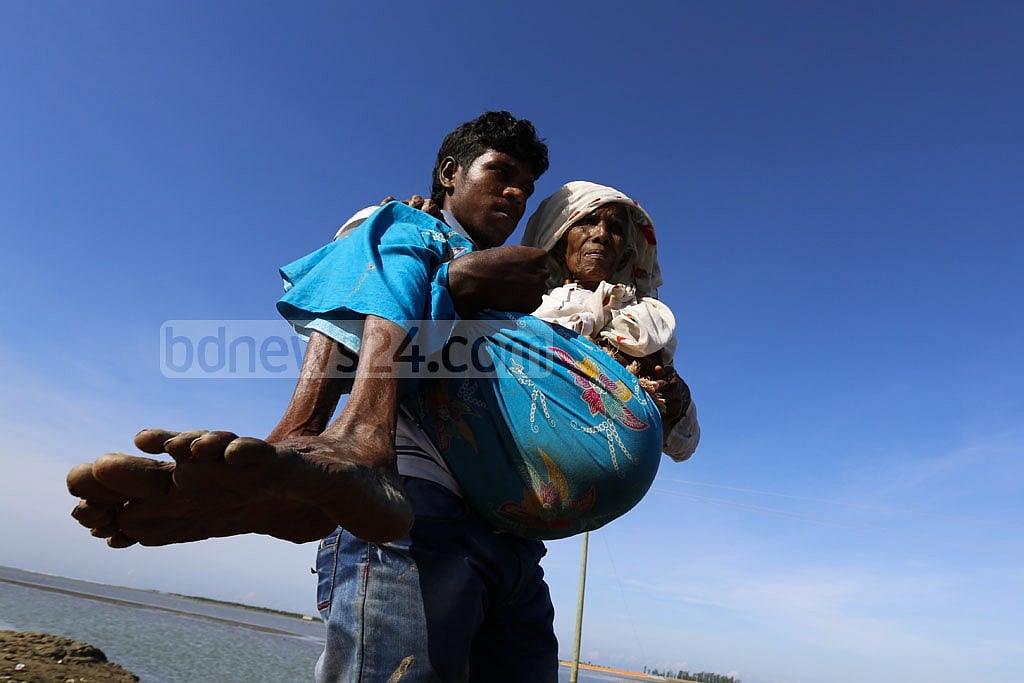
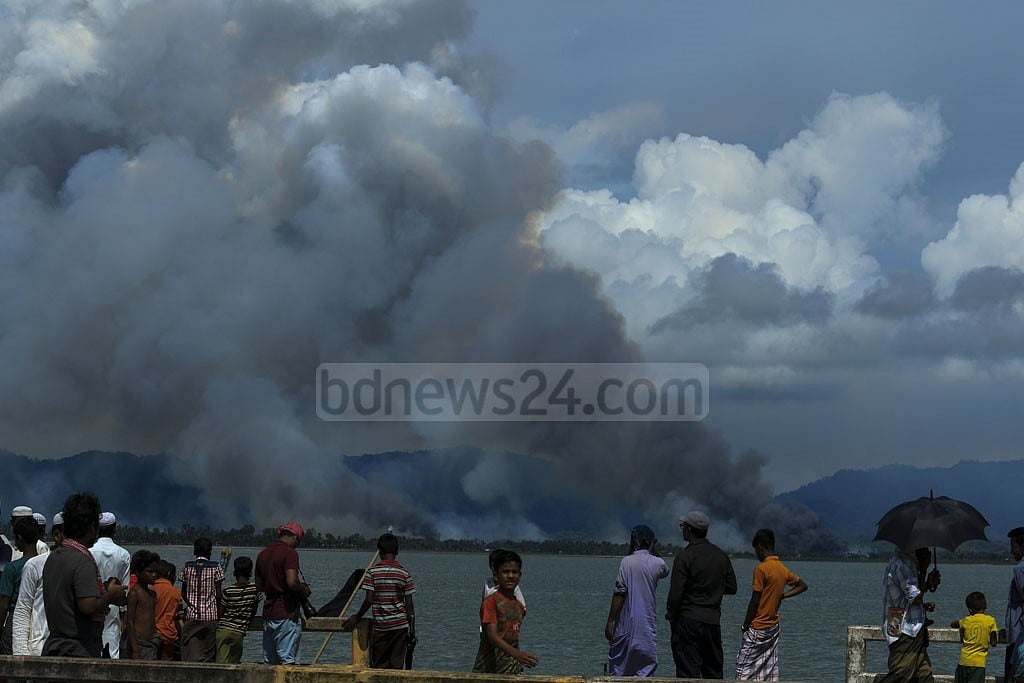
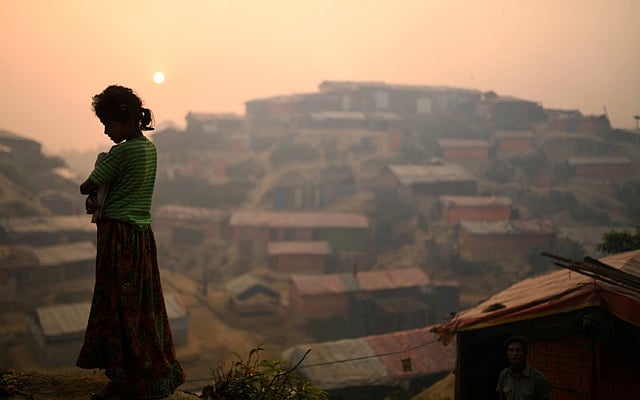
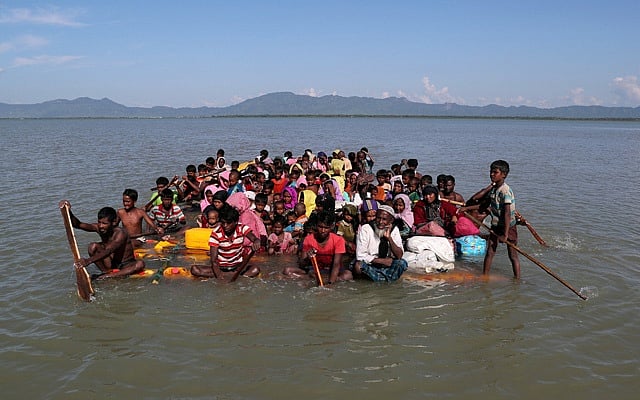
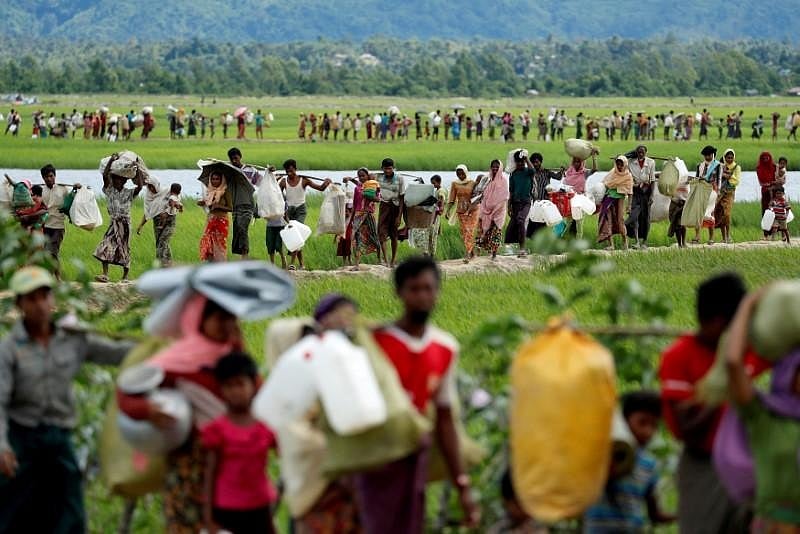
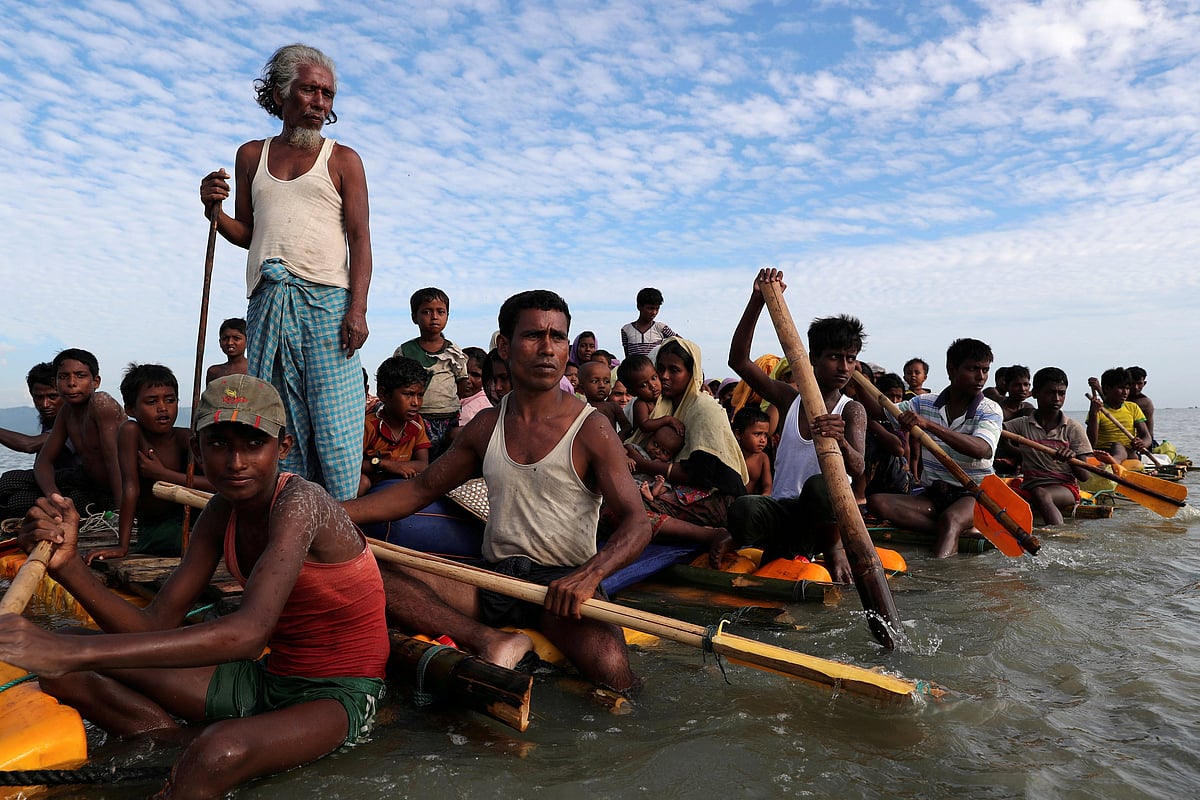
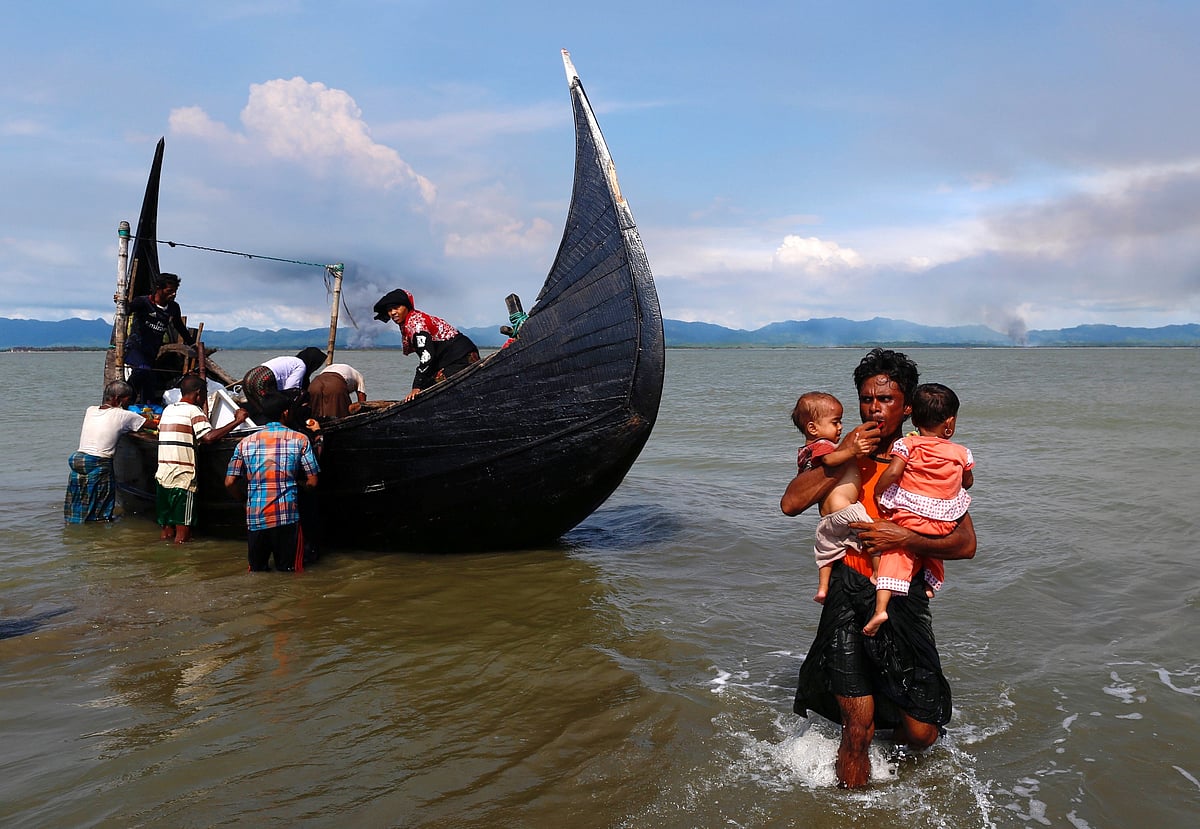
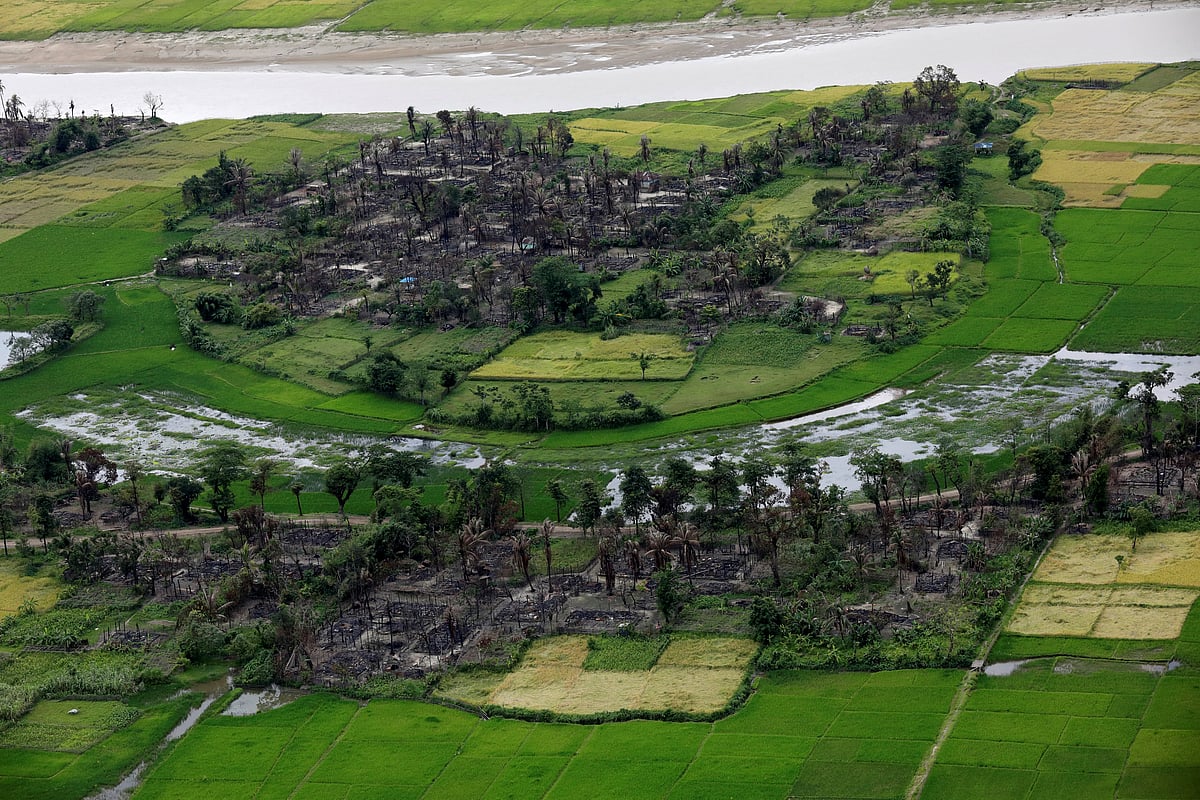
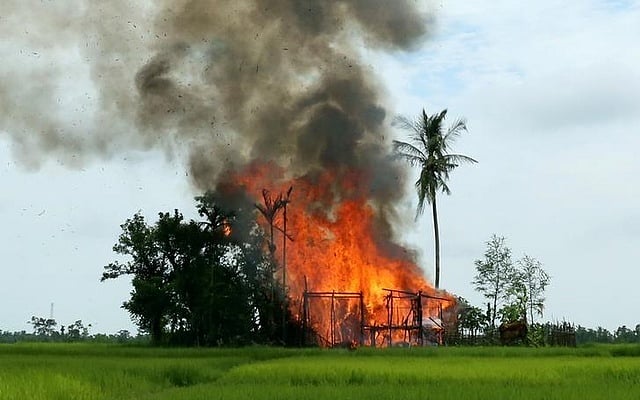
They first settled beside the Naf River and later crossed into Bangladesh on a scale never seen before, as their villages burnt and many of their loved ones died in the hands of security forces back home.
On Saturday, the Rohingyas complete a year of uncertainty in Cox’s Bazar, now home to the world’s biggest refugee camp. A whole generation of the Rohingyas is living with no hopes for the future.
FIle Photo
“We want citizenship; otherwise we’ll never get justice to the torture we suffered. I had a pond which I want to get back. I want to live with my family in safety at my own house,” Shafiqur who fled to Bangladesh from Myanmar’s Bodhidong in last September told bdnews24.com. A muezzin of a mosque in Bodhidong, Shafiqur wants to go back to his birthplace even after all the atrocities, including the killing of his relatives and torching of his own house by the Myanmar forces.
The Myanmar army has been blamed for crimes against humanity committed in the villages in Rakhine State against the Rohingyas that include killings, rape and arson. The army is yet to be brought to justice. The Amnesty International has termed the anniversary of the Rohingya crisis a ‘shameful milestone’ for the world leaders.
Bangladesh has been applauded in the international arena for providing shelter to more than 700,000 Rohingyas since August 2017 as the crisis unfolded.
The international organisations quickly came forward with emergency assistance and stood by Bangladesh. However, it is unclear how long Bangladesh has to bear the Rohingya burden.
The crisis began with the crackdown by the Myanmar army on the Rohingyas as an aftermath of armed attacks on security checkpoints in Rakhine State by a group of militants on Aug 25 last year.
The United Nations has described the crackdown by Myanmar forces as a “textbook case of ethnic cleansing”. On the other hand, there has been strong demand to bring the Myanmar authority before the International Criminal Court over the atrocities on Rohingyas. However, Myanmar has been denying the allegation for long.
At least 700,000 Rohingyas entered Bangladesh in the first four months of the exodus, but ‘tortured Rohingyas’ are still making border crossings.
In November, Myanmar agreed to repatriate the Rohingyas and a deal was signed between the two countries on Jan 16. It was decided to finish the entire repatriation process within two years.
The Bangladesh government provided biometric registration and identity cards to about 1.1 million refugees in the camps, said Home Minister Asaduzzaman Khan.
Bangladesh had handed over a list of 8,032 Rohingya refugees to Myanmar as the initial step of repatriation within a month of signing the agreement. However, it never moved further due to the lack of interest from the Myanmar authority and Bangladesh had to opt for multilateral diplomacy.
The United Nations said a ‘framework’ is needed to be created to enable the Rohingyas to return home willingly with security and dignity.
“We don’t want to rush and send 10,000 or 20,000 of Rohingya refugees back home, but we want a sustainable return for them. The number doesn’t matter but we are looking for sustainability,” said State Minister for Foreign Affairs Shahriar Alam.
“We are confident that the repatriation will begin soon; especially when the UN is involved in it,” said the state minister.
Foreign Minister AH Mahmood Ali visited two reception centres and a transit camp in Myanmar on Aug 11, 2018 to witness Myanmar’s preparation for the repatriation of the Rohingyas.
The Bangladesh delegation witnessed a “trail of widespread devastation” in the northern Rakhine State, the foreign ministry said in a statement after the minister’s visit.
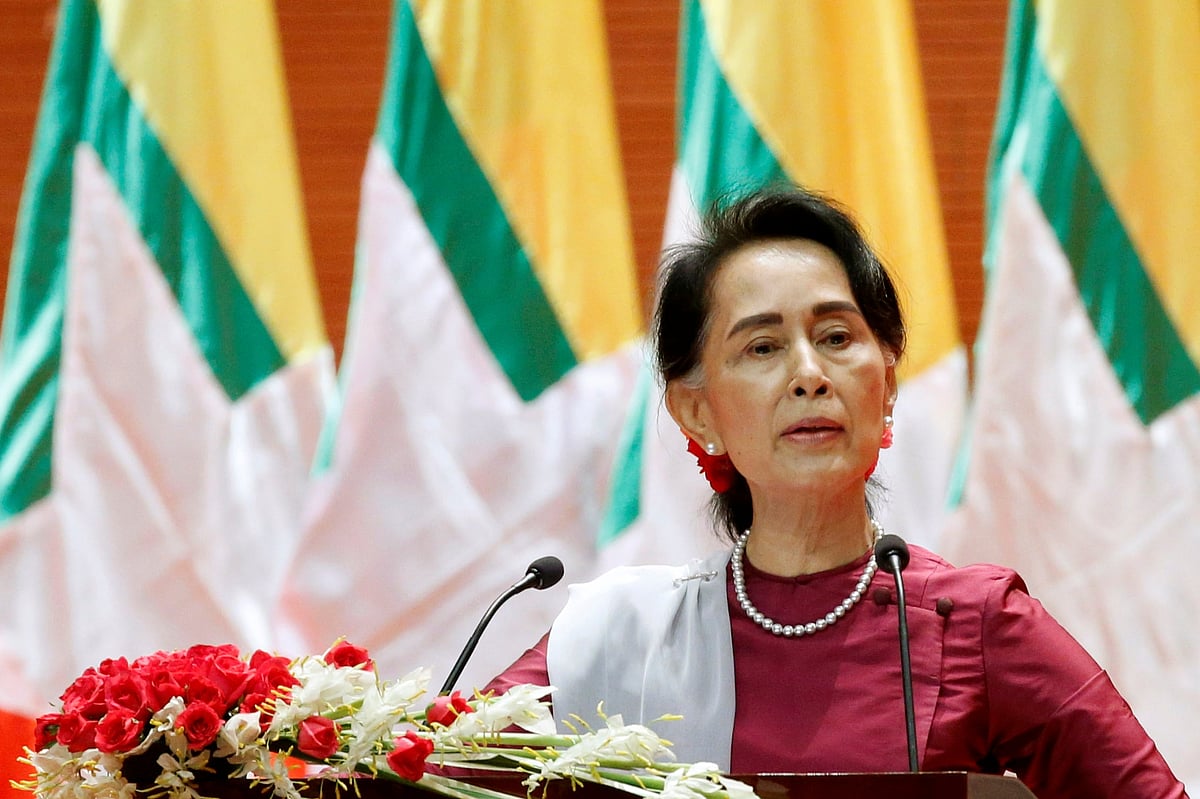
Nobel Laureate Aung San Suu Kyi, who was once known in the west as the ‘emblem of democracy’ in Myanmar has been heavily criticised for her indifference to the atrocities on Rohingyas by the Myanmar army. The Myanmar government is also facing international pressure from different quarters.
However, Suu Kyi, on the other hand, had said in a speech that the repatriation of the Rohingyas depends on Bangladesh, while she was in Singapore on Aug 21.
The Myanmar leader must have made such comments to cover up their own ‘failure and lack of preparation’, said Bangladesh’s Refugee Relief and Repatriation Commissioner Abul Kalam.
It is quite hard to send back those Rohingyas who already came to Bangladesh, Anup Kumar Chakma, the former ambassador of Bangladesh to Myanmar, told bdnews24.com. He said that the first thing needed is a perfect list of refugees which Myanmar can scrutinise and then repatriation can take place.