



Published : 31 Oct 2022, 11:34 PM
Updated : 31 Oct 2022, 11:34 PM


Despite significant gains in reducing the human toll from climate disasters, Bangladesh continues to face severe and increasing climate risks, according to a recent World Bank Group report.
Without urgent action, including further adaptation and resilience measures, the country’s strong growth potential could be at risk, said the group’s Country and Climate Development Report for Bangladesh released on Monday.
The CCDRs are new core diagnostic reports that integrate climate change and development considerations.
The report outlines priority actions and financing needs to help Bangladesh address the climate crisis.
It recognises the South Asian country’s successful experience with locally-led climate adaptation and recommends investments in infrastructure and services to strengthen climate resilience while supporting long-term growth. Actions focused on improved agriculture productivity, energy and transport efficiency can lower future emissions while improving air, soil, and water quality.
The report estimates that Bangladesh can raise up to $12.5 billion in additional financing in the medium-term for climate action. Financing options include budget prioritisation, carbon taxation, external financing, and private investment.
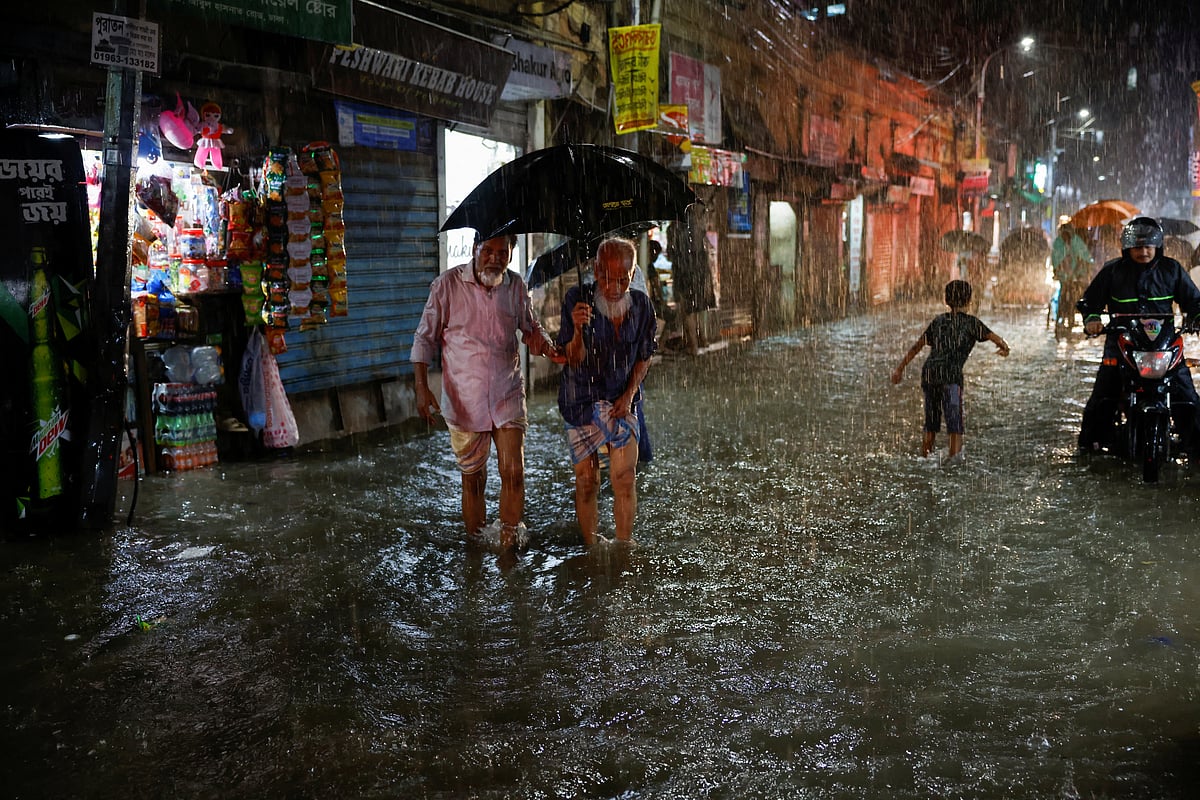
Climate change will hit poor and vulnerable people the hardest. Average tropical cyclones cost Bangladesh about $1 billion annually. By 2050, a third of agricultural GDP could be lost and 13 million people could become internal climate migrants. In case of severe flooding, GDP could fall by as much as 9 percent, said the report.
“Bangladesh has led the way in adaptation and disaster risk management. Over the past 50 years, it has reduced cyclone-related deaths 100-fold. Other countries can learn from this,” said Martin Raiser, World Bank Vice President for South Asia.
“But with ever-increasing climate risks, further adaptation efforts are vital, and a low-carbon development path is critical to a resilient future for Bangladesh,” he added.
At just 0.4 percent, the country’s current contribution to global greenhouse gas (GHG) emissions is not significant, the report said.
“But with its large population and fast economic growth, if the country follows a ‘business-as-usual’ development pathway, GHG emissions will increase substantially.”
Bangladesh also faces a high level of air pollution, which costs about 9 percent of GDP annually.
Improved air quality standards across multiple sectors will improve health and increase climate resilience, according to the report.
"In the face of multiple severe risks from climate change, Bangladesh urgently needs to spur more private sector involvement not only to deliver the billions of dollars needed for climate action, but also to drive innovation and efficiency to benefit and protect the country’s people,” said John F Gandolfo, IFC's acting regional vice president for Asia and the Pacific.
“Increased private sector involvement in renewable energy and energy transmission, housing, transport, and climate-smart agriculture is both necessary and possible, with concerted efforts to speed up needed reforms to overcome barriers to domestic and foreign investment and green the financial sector so more funding is available for green projects.”
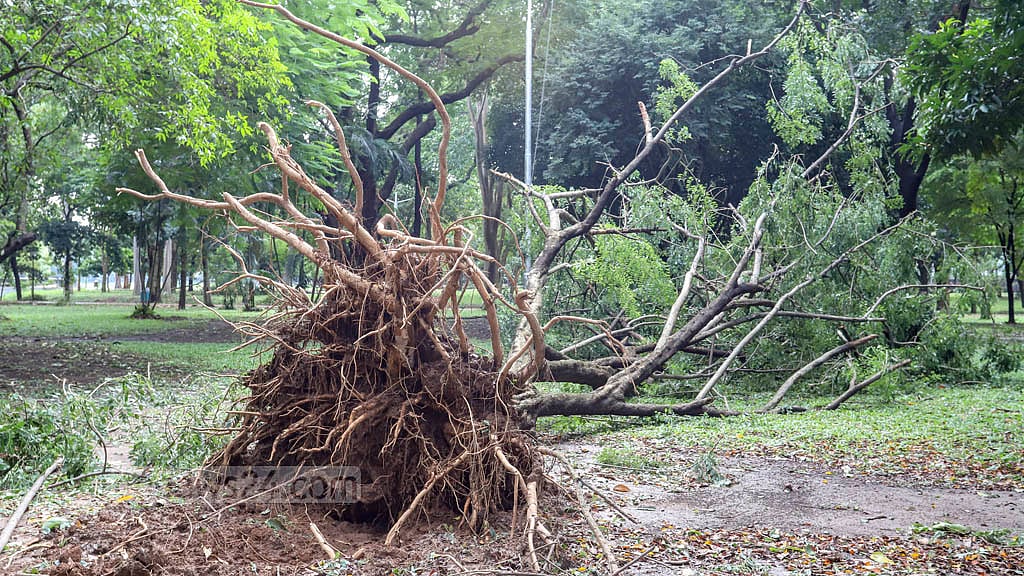
The report highlights three priority areas for Bangladesh’s climate-resilient growth and development:
PEOPLE-CENTRIC, CLIMATE-SMART DEVELOPMENT
A development approach that considers regional variations in climate impacts and builds on Bangladesh’s experience of locally-led adaptation and small-scale solutions is vital. Investing in public services, nature-based solutions, and infrastructure in urban areas—including affordable housing, resilient transport connectivity, and water and waste management—will help cities prepare for an influx of climate migrants.
DELIVERING DEVELOPMENT BENEFITS WITH DECARBONISATION:
Emissions from energy, transport, industry, and agriculture can be reduced at relatively low cost and yield significant co-benefits related to air pollution, health costs, and jobs. By implementing policies that abate both air pollution and emissions, Bangladesh can reduce deaths from air pollution by half or save nearly 1 million lives by 2030. Shifting industries to a more sustainable path will increase their global competitiveness. With rapid urbanisation, income growth, and changing dietary patterns, opportunities exist for more efficient, low-carbon agriculture and food systems while increasing resilience and rural incomes.
ENABLING ENVIRONMENT AND INSTITUTIONAL REALIGNMENT:
With a stronger legislative and institutional capacity, Bangladesh can accelerate the implementation of existing policies and programmes. Empowering local governments to plan and implement adaptation programmes will be important. Addressing financial sector vulnerabilities will be critical together with policies to green the financial sector. Increased domestic and foreign private sector involvement, such as in climate-smart agriculture and renewable energy, is necessary.
Some parts of Bangladesh are more prone to climate change impacts. Hence, investments should be prioritised for climate hotspots such as in the Barind, Coastal zone, Haor area, and Hill Tracts, and the regions facing higher poverty rates and natural hazards: the western Upazilas of Mymensingh, eastern Upazilas of Rangpur, and southern parts of Khulna Division, according to the report.
“Bangladesh has taken bold steps toward its goal to support global efforts for combating climate change,” said Hiroshi Matano, MIGA executive vice president.
“The CCDR provides vital guidance for the country to continue its long-term strategy for energy security that is more responsive to climate issues.”







