


Published : 31 Mar 2022, 01:06 AM
Updated : 21 Oct 2022, 03:40 PM


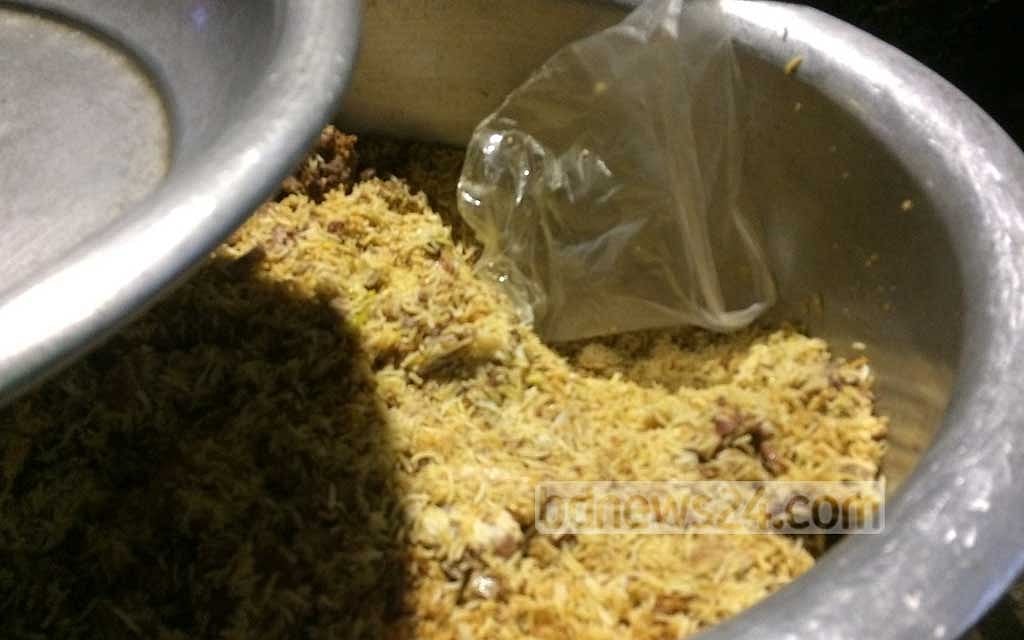
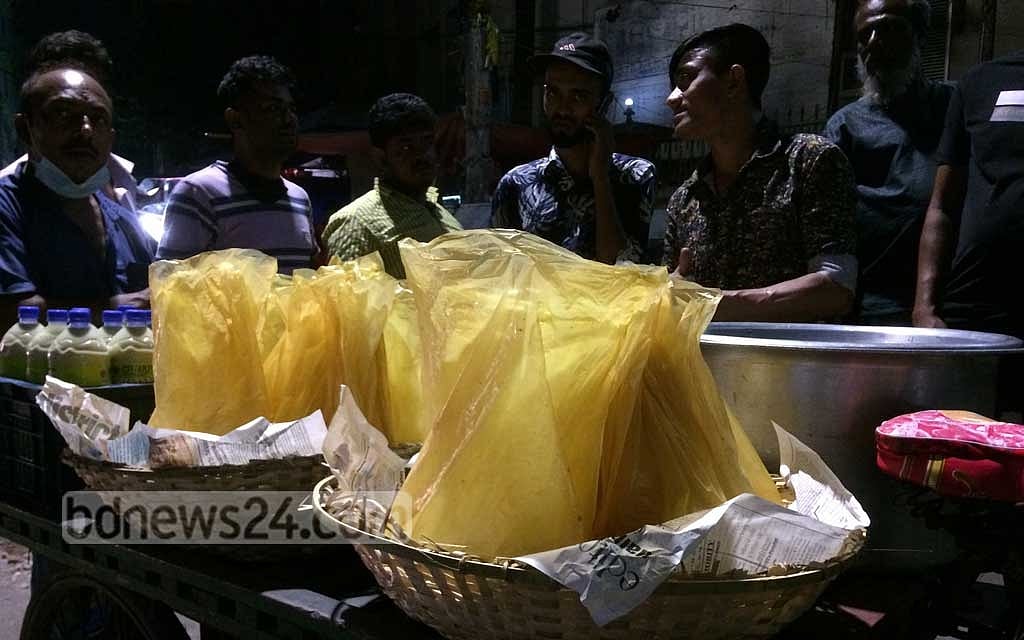
"Only this much of Polau and you [the seller] charged me Tk 100!” Majed shouted as he showed a polythene bag containing Biriyani he just bought. “You didn't even give me a chicken leg!”
A partially eaten leg piece of chicken with Polau had been available for Tk 50 only some days ago, according to him.
Prices of essentials have skyrocketed in Bangladesh and leftover party food in Dhaka is not an exception.
The poor buy the leftovers of delicacies served in weddings or other social events in the city for a change of taste from the coarse rice, spinaches and vegetables they have to consume every day for survival.
The prices of leftover foods, however, have also doubled in the past few months, said the poor customers and the sellers, who collect the foods from community centres, hotels and restaurants.
One of them, Sumon, who gave a single name, was visibly irritated while selling foods to more irritated customers amid the scorching heat.
"The food is not cheap like it used to be. We, too, have to buy it from them [caterers of staff of function rooms]. Then we need to pay for the rickshaw van. If I don't agree to their price, they'll simply sell it to others and I'll get the worse food," Sumon grumbled.
Farook, another seller who also gave a single name, blamed competition among the sellers for the price hike. "Also, the prices of essentials have increased. So, they [caterers and function hall staff] want to make some money too, while we need to run our family."
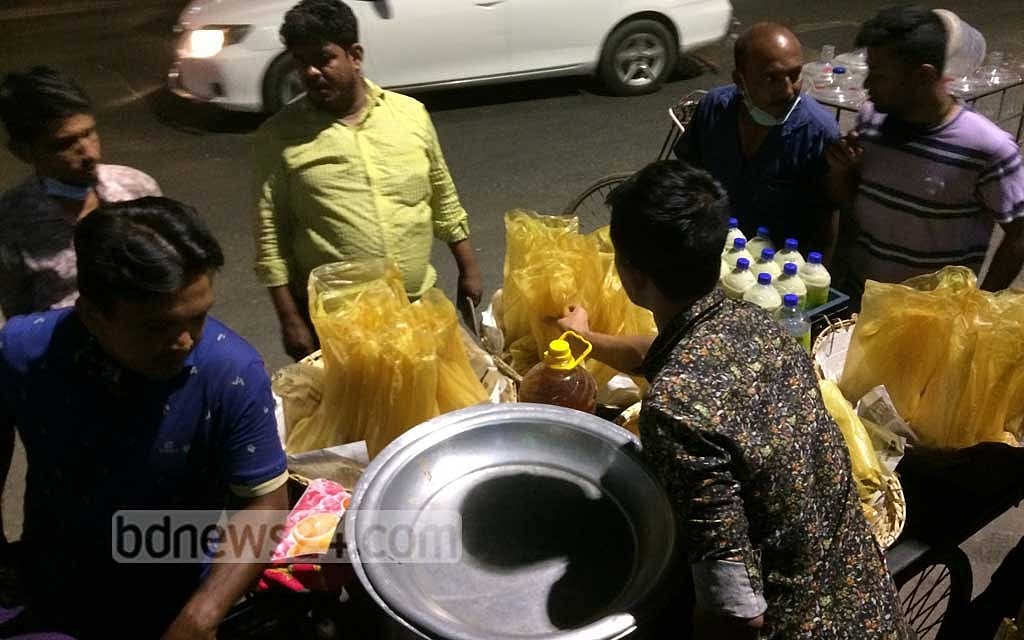
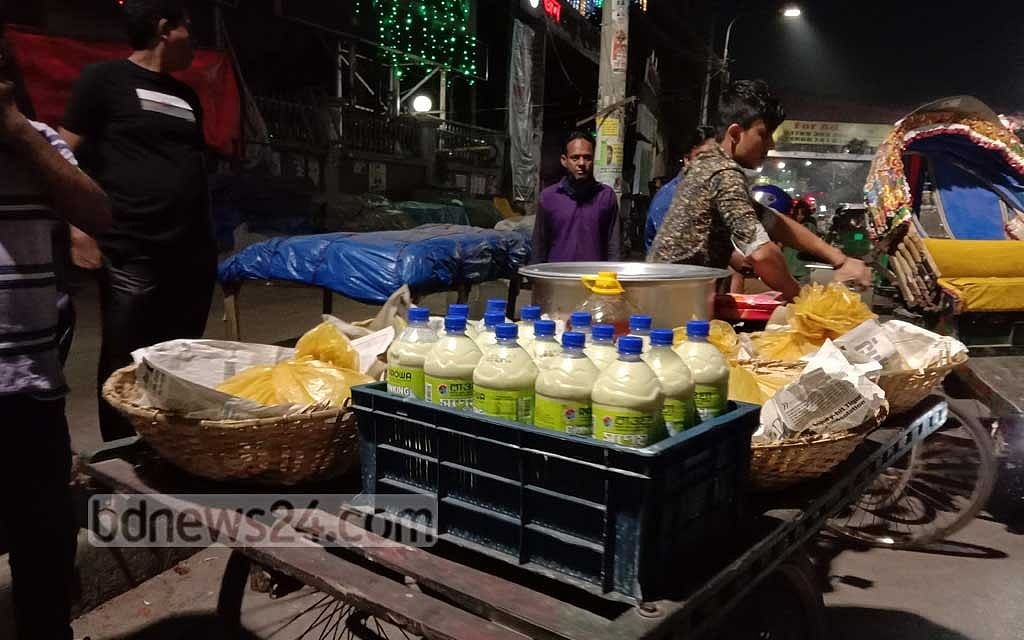
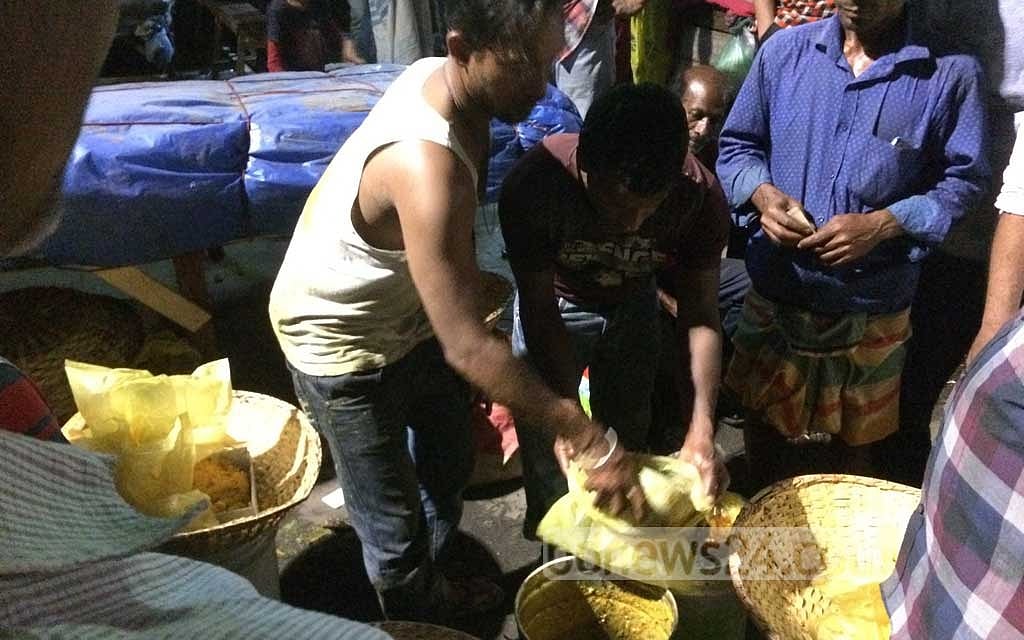
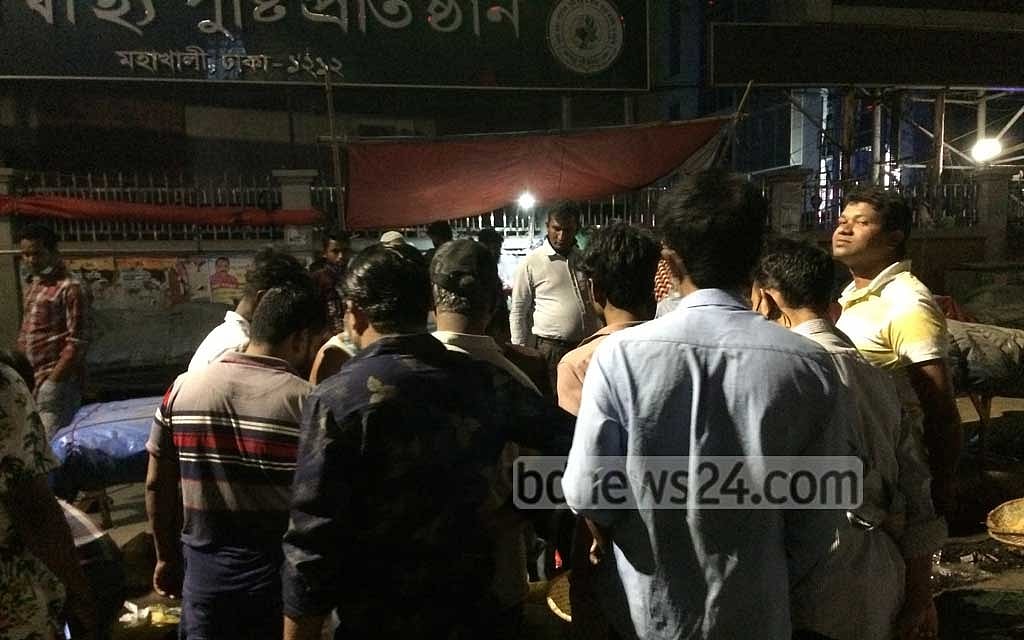
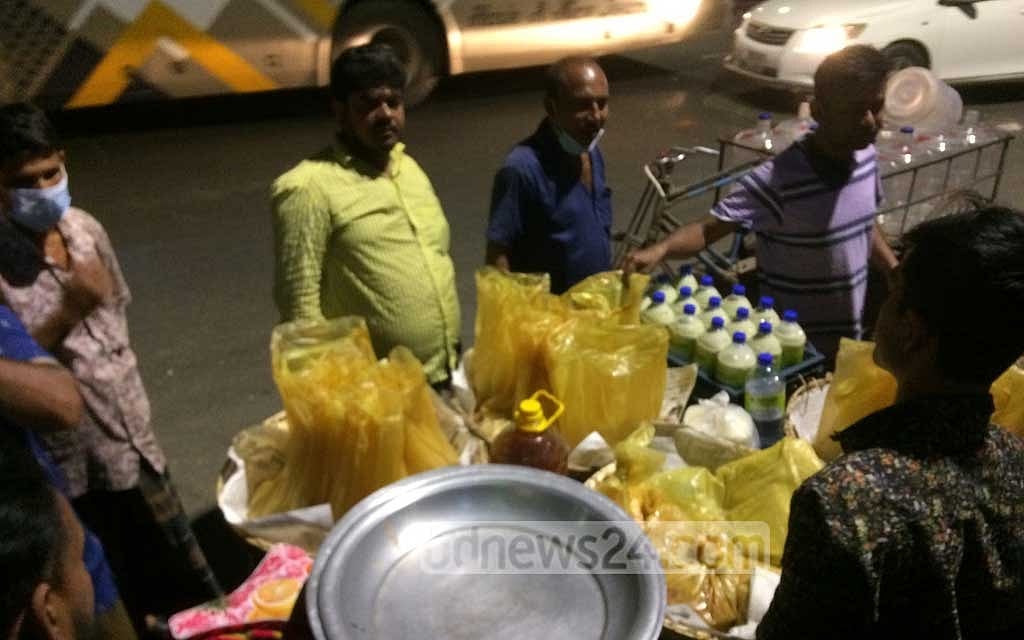
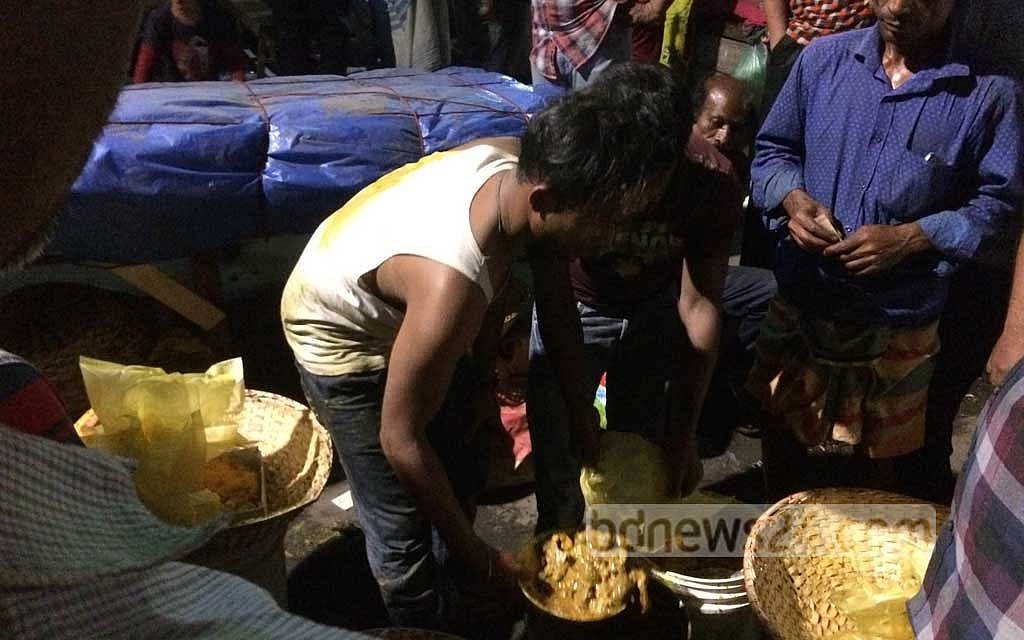
The sellers bring the leftover food in buckets on rickshaw vans almost every day after 11pm near the Institute of Public Health Nutrition in Mohakhali. The items include Polau, Biriyani, beef curry, mutton Rezala and roasted chickens. Borhani in bottles is also available sometimes.
Sometimes all the items -- leftovers from dinner platters -- are mixed up and brought in polythene bags. Sumon said they sometimes bring “untouched” food in utensils, meaning food that was not served.
Besides transport workers, rickshaw pullers, auto-rickshaw drivers, students living in messes buy the leftover foods.
Farook said they buy the foods from nearby RAWA Convention Centre, Party Centre at Sena Kalyan Bhaban, Falcon Hall or Shaheen School Auditorium where social events like weddings, receptions or birthdays take palce.
Assistants to the chefs cooking in those venues, or cleaners keep the leftovers in platters, buckets or bags after the events are over. "The unserved food costs more but the customers don't want to pay for it. We bring it sometimes,” said Farook.
Saiful, a student who shares a room with others, stopped his cycle after he saw the food. Then he called his roommate to see if they wanted Biriyani and beef curry, which “looked good”.
Saiful made a deal with the seller for Tk 500 and got a polythene bag full of Biriyani and a smaller bag of beef curry.
"It should be a kg of beef at a minimum and it's totally fresh,” boasted seller Sumon.
"But you've just filled the bag with gravy," Saiful retorted.
Still, the prices have gone up. "I bought the same amount of Polau with chicken at Tk 300 a few days ago. Now they [sellers] have raised the prices because more customers are coming. One van full of food is sold off in less than an hour."
While some people were buying food, some others were reduced to mere onlookers.
Md Mohsin, an autorickshaw driver who was roaming around the van, said he was finding it hard to provide for his family with the prices of essentials soaring.
"But my children nag for Polau and meat. Let's see if I can buy a little food for them, even as the price has doubled. I’ll be happy if my children can eat," he said.
His phone kept ringing and at one point Mohsin picked up and said he would take some roasted chicken home. He then bought the food and started walking to his auto-rickshaw.













