Published : 25 Aug 2018, 05:12 PM
Updated : 08 Apr 2022, 03:16 PM


At present more than 6,000 unaccompanied and separated Rohingya children are living in Cox’s Bazar, where they confront adversities, such as food shortages and increased risk of exploitation and abuse, Save the Children said in a statement on Saturday.
The international organisation that promotes children's rights conducted a study marking the first anniversary of the Rohingya crisis that involved 139 unaccompanied and separated children in Rohingya camps.
At least 70 percent of children covered by the study were separated from parents or main carers by violent attacks while 63 percent of all children in the study were separated during a direct assault on their village. At least 9 percent of children were separated from parents or carers during their attempt to flee to Bangladesh.
Half of the children covered by the study said their parents or main carers were killed in violent attacks leaving them orphaned.
It was a year ago that teams of Save the Children staffs began to work to provide support to the distressed and exhausted Rohingya children while they search for their families but it has become evident after a year that reunification will never take place for many of them, said Mark Pierce, Save the Children’s country director in Bangladesh.
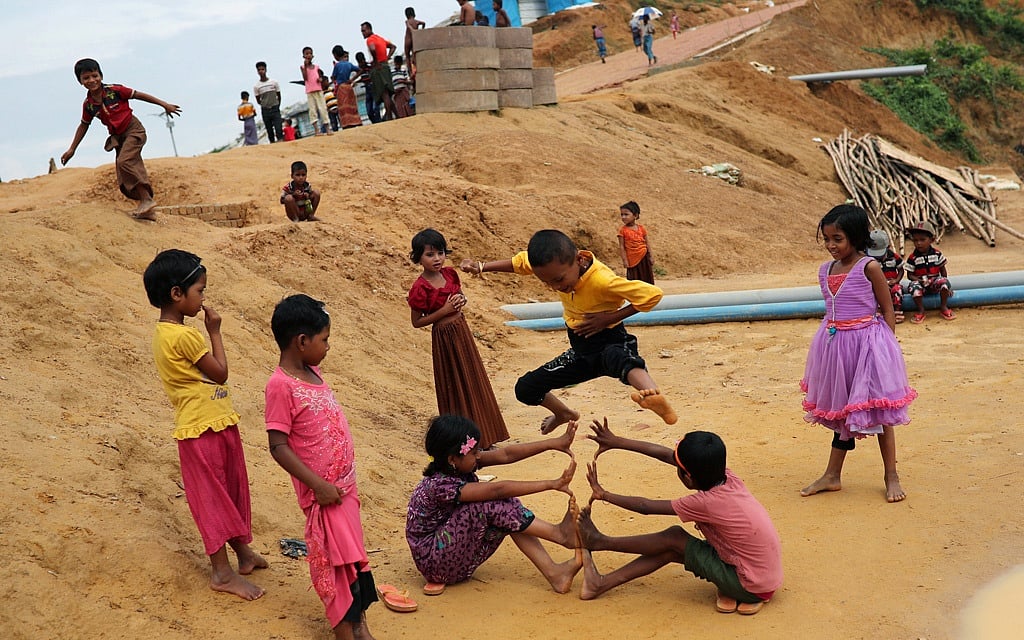
Save the Children has reached more than 350,000 Rohingya children including a large number of unaccompanied and separated children in Cox’s Bazar in the past 12 months, through setting up around 100 child and girl friendly spaces in the Rohingya refugee camps which provide children with a safe space to play, recover and be children again.
It is also providing protection, access to education, health and nutrition, food and water and sanitation services through its programmes.
Save the Children has urged the international community to step forward in finding a better solution to the issue.
“The international community must step up and find a long-lasting solution to the crisis that allows for the safe, dignified and voluntary repatriation of Rohingya refugees, which respects the basic rights of children and their families and is underpinned by international law,” said Michael McGrath, Save the Children’s country director in Myanmar.