


Published : 10 Feb 2013, 01:51 PM
Updated : 09 Aug 2022, 10:12 AM


“I congratulate the government of Bangladesh for having followed a judicial process, carried through with very detailed judicial examination to come to a very legal judgment,” he said replying a question at a joint press briefing after meeting with his Bangladesh counterpart.
He, however, said the final verdicts and the ongoing demonstration in Shahbagh was ‘purely an internal matter’ to Bangladesh.
The Indian foreign secretary came to Dhaka on Saturday on a three-day visit and discussed a wide range of bilateral issues with his Bangladesh counterpart on Sunday morning. The visit was also intended to do the groundwork for the forthcoming visit of the India’s foreign minister Salman Khurshid from Feb 16.
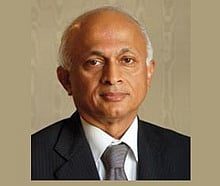
Ranjan Mathai, India’s senior most diplomat and the chief foreign policy adviser to the government of India, fondly recalled his days as a university student during the 1971 Bangladesh Liberation War.
“We used to receive delegations of students from Bangladesh who used to come and talk to us," he said. "For those of us who lived through that period of history, this is not a simple matter of just one judicial pronouncement or not.”
“This is a case of genocide that the whole world recognised. The extraordinary pain which was inflicted on the people of Bangladesh needs to be recognised and appreciated,” Mathai said.
He said for the friends of Bangladesh all over the world, “justice is being done after very long period of time.”
“We would be happy to see an end to these issues through this process of justice,” Mathai said.
Bangladesh's present government has started trying those who committed crimes against the humanity during the War of Independence by setting up special tribunals.
On Tuesday, the tribunal pronounced life imprisonment for Jamaat-e-Islami Abdul Quader Molla but the verdict provoked massive protest across Bangladesh as the nation was clearly expecting a death penalty like in the case of Abul Kalam Azad alias Bachchu Razakar.








