


Published : 01 Jan 2016, 08:00 PM
Updated : 19 Oct 2022, 05:02 PM


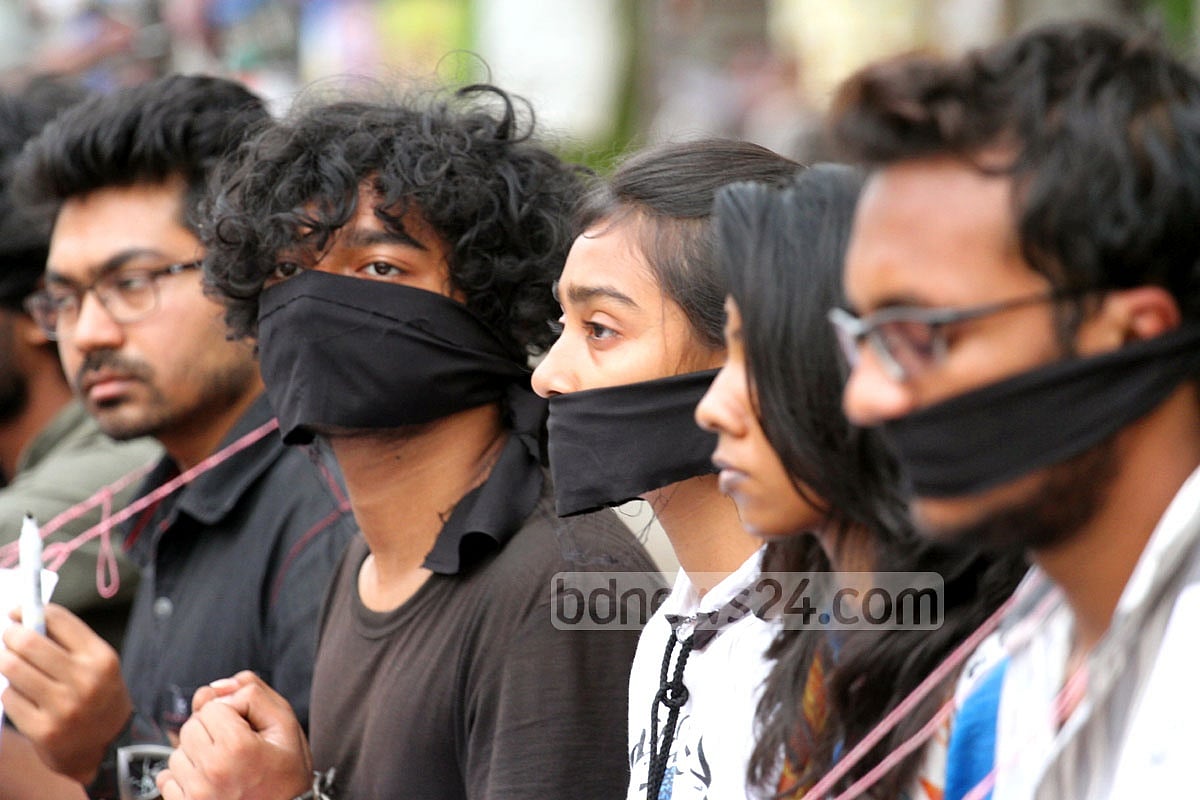
The human rights organisation arranged a media conference on Friday to present a review of human rights in Bangladesh in the past year.
Referring to the review, ASK Executive Director Sultana Kamal said, "The human rights situation has not visibly deteriorated, but it's not improving, either."
"The main reason behind this is the culture of impunity,” she said, “People seem to be doubting the very prospect of getting justice in the country.”
To create the review, ASK compiled information from national news media and conducted its own fact-finding.
Sultana said, “Two aspects need to be considered when reviewing the human rights situation. Firstly, civil and political rights; secondly, financial, social and cultural rights.”
In 2015, the second index of human rights advanced to some extent, but the overall human rights condition remained a matter of concern, she pointed out.
Sultana brought to light issues such as political violence, the law and order condition, extra judicial killings, human trafficking and migrant labour, murder of freethinking writers and publishers, hate crimes on religious minorities, violence against women and children, killings at the border, attacks on journalists and violation of rights of the tribal people.
While discussing the BNP movement, the review also criticized the government’s ‘repression and persecution’ on the opposition.
The executive director of ASK said, “When a country goes through the negligence of human rights and adopts a culture of impunity, the people tend to take the law in their own hands. This is very alarming.”
The government should determine a common standard of human rights, she said.
“But we often notice that the ruling party avoids its responsibilities and criticises the previous government instead.”
“Similarly, the opposition also wash its hands by criticising the government,” Sultana Kamal said.
She expressed hopes that both the ruling and opposition parties would shun these tendencies and work responsibly to protect human rights.













