


Published : 28 Nov 2017, 03:28 AM
Updated : 19 Oct 2022, 03:51 PM


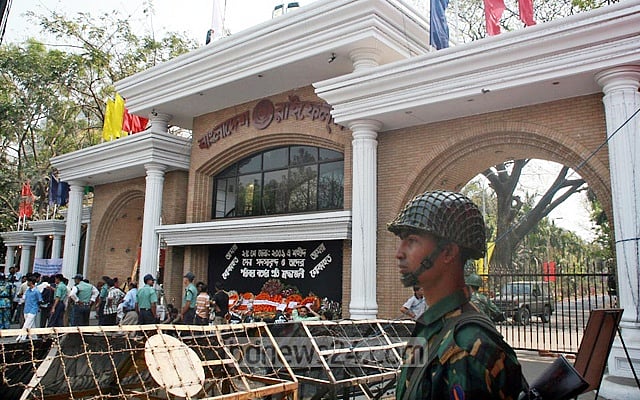

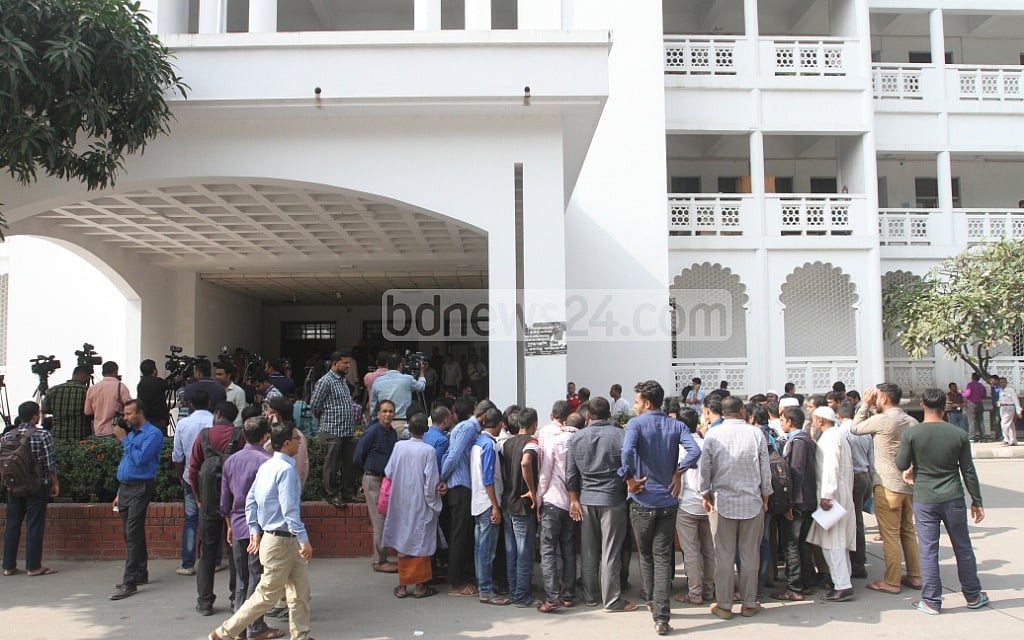
The court on Monday also handed down life term to 185 after a long hearing of the death references of 152, appeals of the convicts against the capital punishment, and the State's appeals seeking harsher punishment to some other convicts.
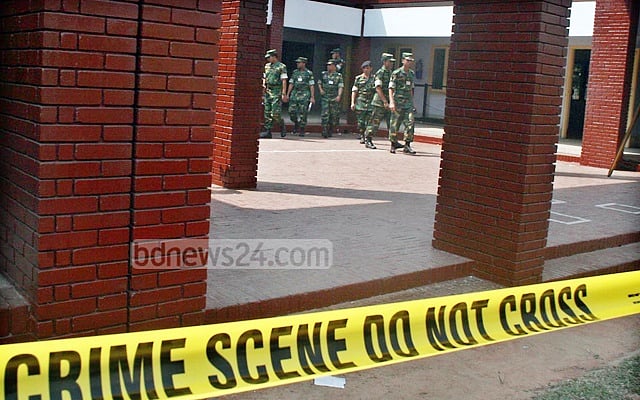
It sentenced 228 others to different prison terms between three and 10 years for the killings that took place at the Peelkhana headquarters of the erstwhile Bangladesh Rifles during a mutiny on Feb 25-16 of 2009.
This is the largest case in the country in terms of both numbers of accused and people condemned to death, and the court could not deliver the verdict in a single day.
The bench, headed by Justice Md Shawkat Hossain, started reading out the verdict on Sunday morning. The two other members were Justice Abu Zafor Siddique and Justice Nazrul Islam Talukder.
It made a number of observations on the mutiny and many sides of the case. The main order of the verdict was read out on Monday afternoon.
Justice Nazrul highlighted the reasonability of the capital punishment for crimes such as murder, rape, spying, treachery, war crimes, and crimes against humanity in his observation.
He said many of the countries do not support the death penalty as the maximum punishment, but the 'capital punishment works as a deterrent to preventing and controlling crimes by civilians'.
The judge said, around 140 countries have dropped death penalty from their judicial system considering its 'cruelty'.
"To these countries, capital punishment doesn't have any positive effect on people's lives and can't play a role in controlling crimes. Some activists think death penalty violates human rights," he said.
"But some countries, including some developed ones, like the US, China, Japan, South Korea, India, Pakistan, Bangladesh, Sri Lanka and Indonesia have kept the provision of death penalty for crimes like spying, treachery, war crimes and crimes against humanity."
The High Court observed that death penalty has become necessary as the proper punishment for the horrifying crimes occurring in Bangladesh and abroad.
"Capital punishment alerts the citizens about establishing the rule of law, the practice of following the law and preventing illegal activities. This punishment also sends the message that a person may face the death penalty if he or she commits a crime."
Referring to the Peelkhana carnage, he observed, "The killers have snatched away lives unethically in this incident. This case has crimes like murder and rape in it, that's why they deserve the capital punishment."
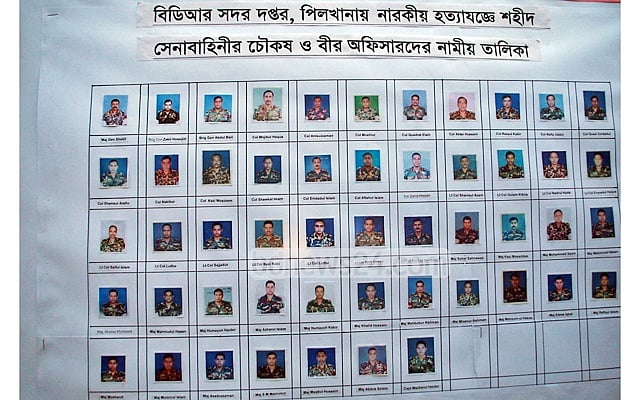
The mutineers killed 74 people, including 57 army officers, during the revolt, sending shocks across Bangladesh and beyond.
"It's natural that death penalty for a killer appears just. This will send the message to the people that they will have to face his punishment if they do the same," Justice Nazrul said.













