Published : 16 Aug 2020, 04:23 AM
Updated : 17 Oct 2022, 11:11 AM


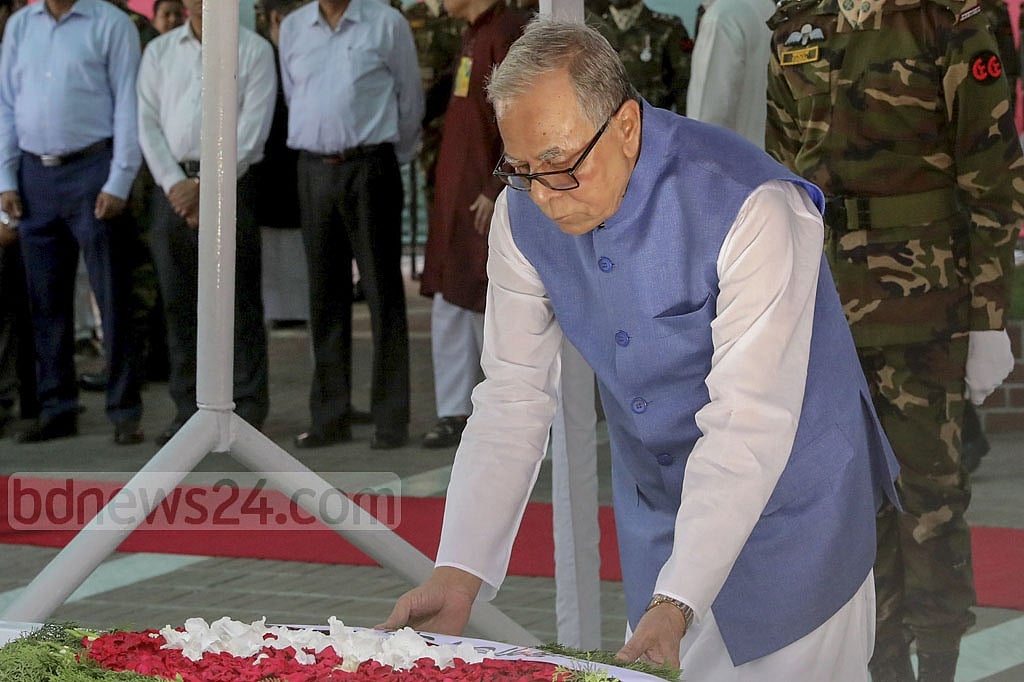
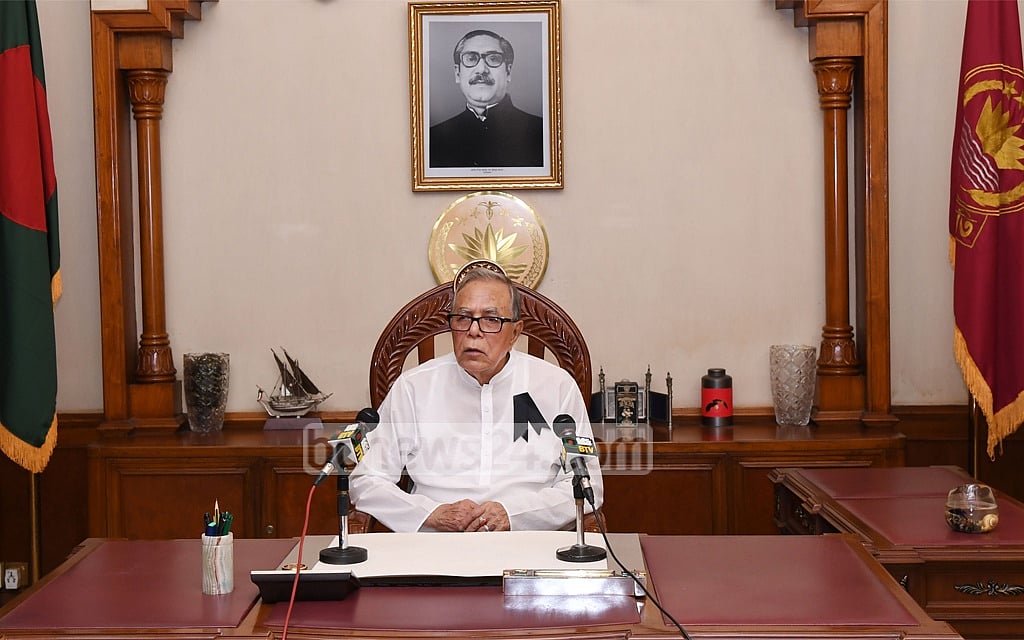
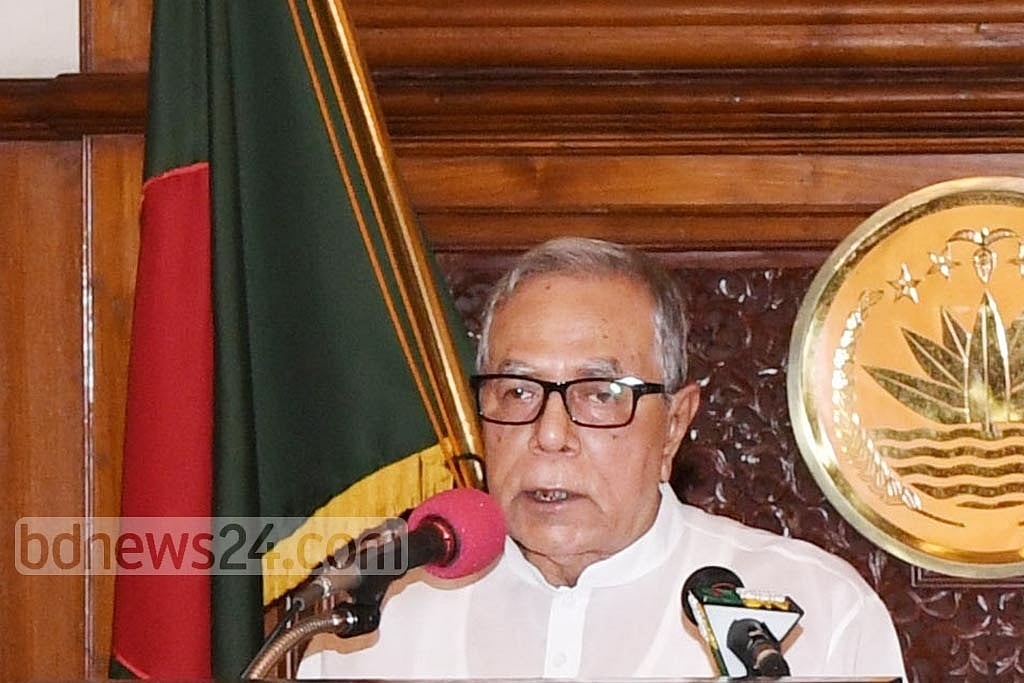
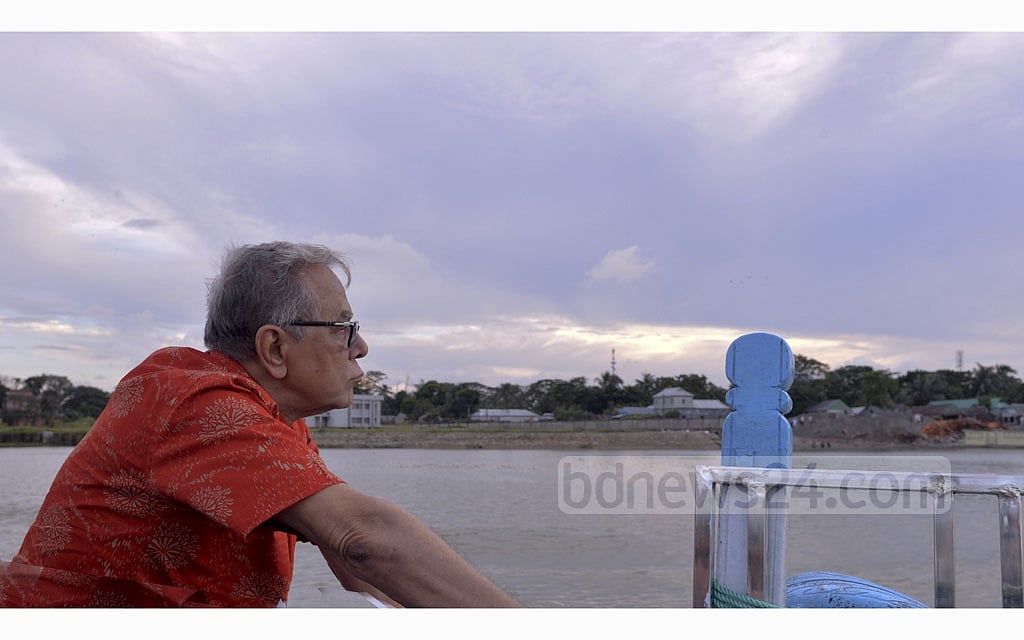
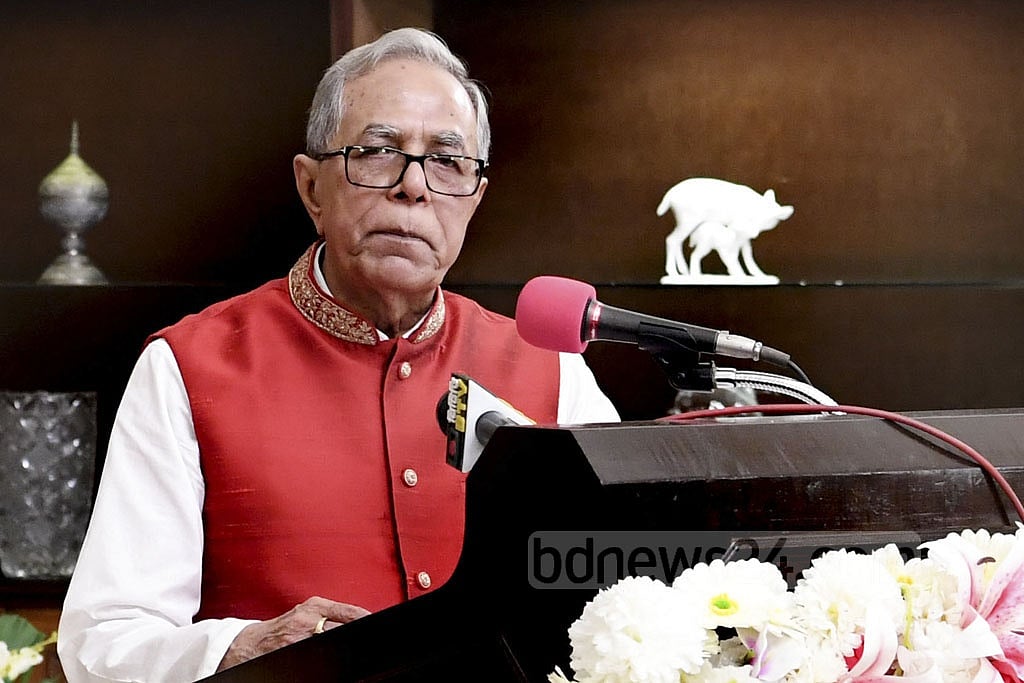
Hamid, a veteran politician, was the youngest member of the Pakistan National Assembly after being elected from the Mymensingh-18 seat in the 1970 election.
After Bangladesh's independence, Hamid was elected to parliament on six occasions, having served as the speaker for two terms. He became president of Bangladesh after the death of his predecessor Zillur Rahman in 2013.
The president recounted the days of Bangabandhu’s killing and the years after the worst massacre in Bangladesh’s history, in which the Father of the Nation and most of his family were assassinated on Aug 15, 1975, at a National Mourning Day programme on BTV on Saturday.
During his visit to a relative’s house near the office of the Directorate General of Forces Intelligence in the Dhaka Cantonment in 1974-75, it appeared to him that something bad was about to happen.
“But I never imagined that they would kill the Father of the Nation,” Hamid said.
When he spoke to Bangabandhu four days before the carnage about the mysterious behaviour of the people at the DGFI office, the Father of the Nation asked him not to worry, saying that there was some trouble which had been settled.
“I felt reassured. It was my last conversation with him. Now I understand that nothing was alright at that time. The killers were preparing for the bloodbath keeping us in the dark,” the president said.
In the wee hours of Aug 15 that year, while staying in the MP Hostel, Hamid heard gunfire, but thought it was celebrations at Dhaka University.
It was Khandaker Nurul Islam, an MP from Rajbari, who woke Hamid up telling that a disaster fell upon them.
“He rushed and brought a radio. It was broadcasting the same thing again and again – ‘I am Major Dalim speaking’.”
“It felt like I lost the hearing ability when I heard the next words. My head was spinning. It was hard for me to believe that they killed my leader, my Bangabandhu, the Father of the Nation.”
Hamid said he left the hostel amid fears that the rogue army personnel might attack the MPs. He went to a relative’s house at Mohakhali and returned to Kishoreganj after some more days.
At a Language Movement programme in Kishoreganj on Feb 21 the next year, Hamid formally protested against the killing of Bangabandhu. It was the likely reason behind his arrest after some days.
Zia, the first military ruler of Bangladesh, sent Colonel Mahfuzur Rahman with the cabinet offer to Hamid in jail at that time.
“I was told that I would be kept in jail for 25 years if I refused the offer.”
“I refused the proposal because I could not betray Bangabandhu. I wanted to embrace the ideals of Bangabandhu throughout my life. Maybe this is the reason for which I have become the president of Bangladesh,” Hamid said.
“I have nothing left to wish for in my life.”