Published : 15 Jun 2023, 03:56 AM
Updated : 15 Jun 2023, 03:56 AM


The wetland Haor region spanning a sixth of Bangladesh is facing a water shortage at a time when the backswamps are supposed to be filled with water, although the rainy season on Bangla calendar has officially arrived.
At this time last year, the Sylhet-Sunamganj Haor areas in the northeast experienced the most severe flooding in a century.
According to the Bangladesh Meteorological Department and water researchers, the Surma Basin, which holds the region, is experiencing a delayed monsoon due to several factors, despite the presence of eastern winds.
However, there is a possibility of water levels rising after mid-June, they said.
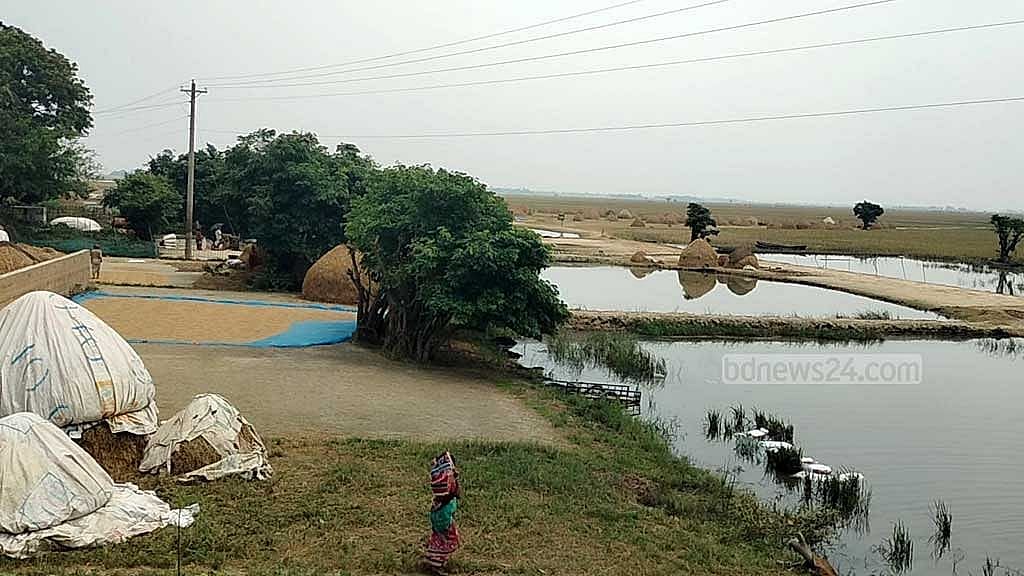
Fishing and Boro paddy cultivation are the primary sources of income for the people in the Haor region, whose livelihoods depend on the water levels rising and falling at the right time.
The early arrival of water in the region poses challenges for Boro crop cultivation, as the crops can get submerged, causing lasting effects for the farmers throughout the year.
On the other hand, the delay in water arrival affects the ability of freshwater fish to spawn, and even if they do lay eggs, the lack of freshwater often spoils those eggs.
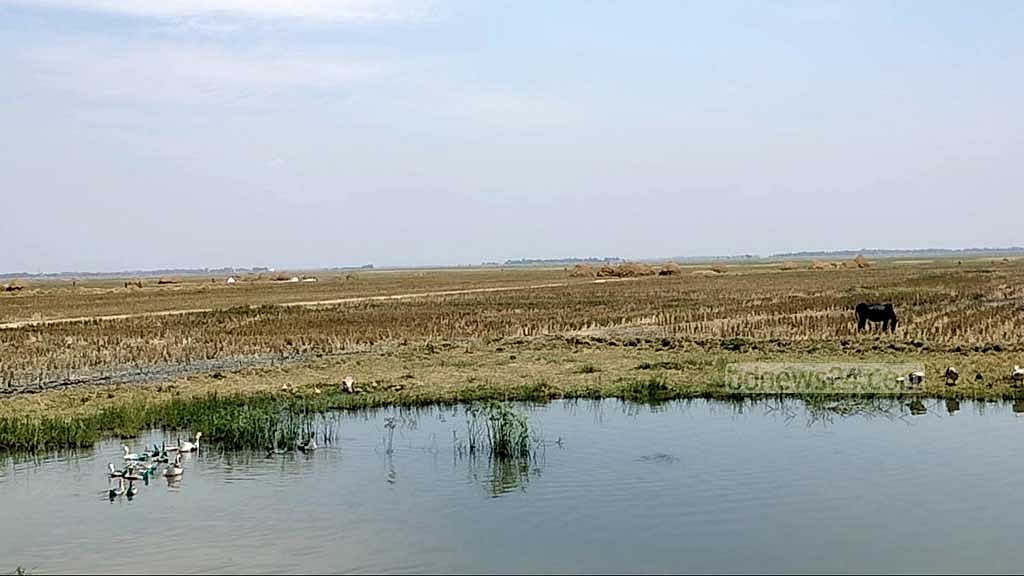
Researchers and environmentalists believe that the entire biodiversity of the Haor region is dependent on the presence of monsoon water. In its absence, the Haor ecosystem and the water cycle undergo significant changes.
The beauty of the Haor during monsoon also attracts a growing number of tourists as they gather at the waterfront to witness the stunning combination of the vast water body and the clear blue sky.
Entrepreneurs, particularly young ones, have invested in boats and resorts to cater to this demand.
Unfortunately, the tourist business season has not begun yet due to the lack of water.
On Jun 13, 2022, the water levels of the Surma River exceeded the danger lines, said Md Shamsuddoha, the executive engineer of the Water Development Board in Sunamganj.
At Sunamganj point, it was 10 cm above the line, while at Chhatak point, it reached 116 cm above, and at Tahirpur, the Jadukata River surpassed the line by 11 cm, he said.
However, this year, the water levels of the Surma River are well below the danger limit.
Last year on May 13, there was substantial rainfall at various points in the region, but this year there has been no rain, Shamsuddoha added.
WATER SCARCITY UPSTREAM
The water in the Haor region mainly comes from Northeast India. Heavy rainfall in those areas has a significant impact on the Haor rivers. However, this year there has been a lack of heavy rain.
AKM Saiful Islam, a professor at the Institute of Water and Flood Management of the Bangladesh University of Engineering and Technology, said the monsoon has been delayed, and it is unlikely to have heavy rains in mid-June.
He said that in the Haor region, particularly in Sylhet, the average rainfall during May, June, and July is around 300 mm, 500 mm, and 600 mm, respectively.
But in April and May this year, the region experienced a prolonged heatwave with less rainfall than usual.
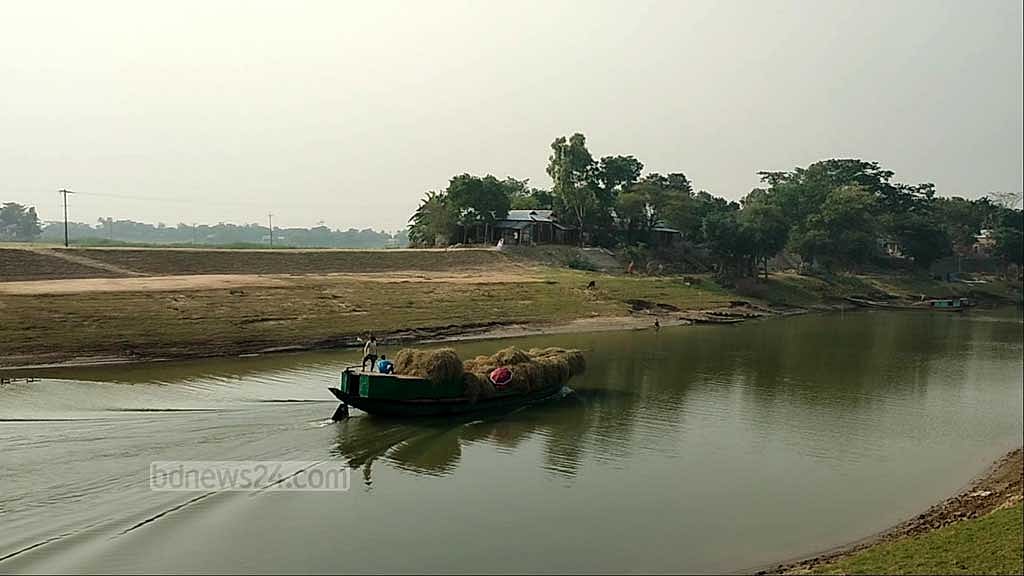
If the current conditions continue for the next two weeks, there is a possibility of heavy rainfall ahead, according to Saiful.
“As we enter the first half of June, significant changes have been observed in the region's water cycle. These changes will have an impact on agriculture and biodiversity throughout the area, including the Haor region. The region now faces risks due to human-induced issues, including alterations in the water cycle and local infrastructure.”
Md Azizur Rahman, director of the Met Office, said that the southwest monsoon is predicted to cover the entire country by the second week of June in the long-term forecast for the month.
However, the overall rainfall is expected to be below average.
Furthermore, certain areas in the northern, northeastern, and southeastern regions of the country may face temporary flooding due to heavy rains, Azizur added.
Heavy to very heavy rainfall is anticipated in the upstream and northeastern regions of the country over the next 72 hours, according to Md Arifuzzaman Bhuiyan, an executive engineer at the Flood Forecasting and Warning Centre.
This is likely to cause a rapid increase in water levels in rivers such as Sari, Goain, Jhalukhali, Bhogai-Kangsh, Someswari, and Jadukata, he said.
BORO CROP AT RISK
Officials from the Department of Agricultural Extension said that the Haor area supplies roughly 20 percent of the country's demand for grains, primarily for Boro rice.
It produces about 900,000 tonnes of rice, with an extra 300,000 tonnes to meet local needs.
The value of paddy produced in the Haor region is over Tk 38 billion.
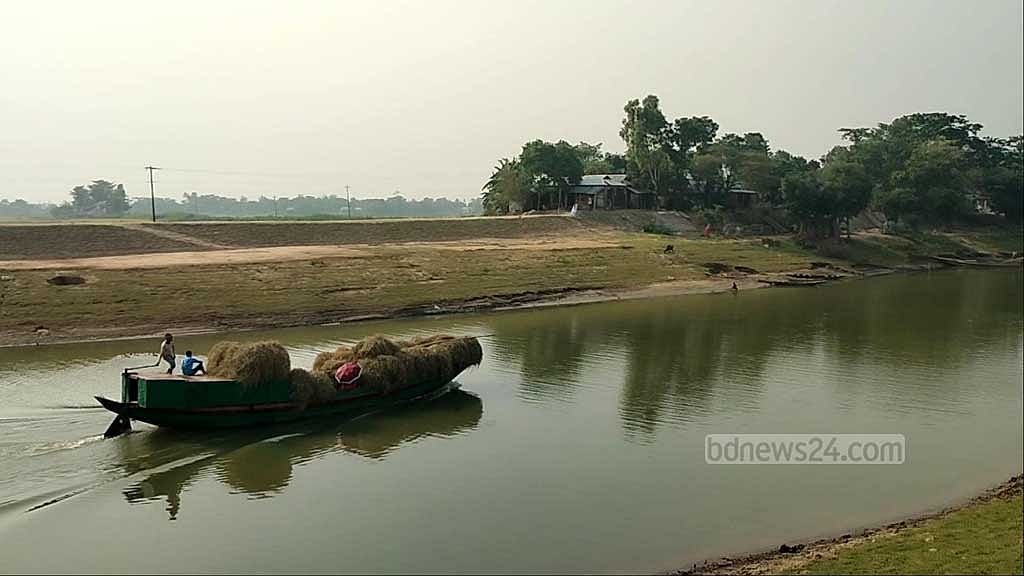
Agricultural work usually starts in November after the water in the Haor recedes. During this time, farmers prepare seed beds and plant the seeds. The rice crop takes around 140 to 160 days to mature.
Paddy harvesting begins in mid-April, and it is important to harvest the crop quickly to prevent damage from potential floods.
Therefore, agriculture in this region is closely linked to the timing of water availability. Late arrival of water leads to delayed planting and subsequent late harvest.
Sometimes, thousands of hectares of crops can be submerged within a week, causing significant losses.
Moreover, the lack of rain may cause difficulties for farmers when it comes to Aman seeds.
Bimal Chandra Som, deputy director at the agriculture department in the district, expressed concerns that a late monsoon could harm the next Boro crop in the region.
However, Shawkat Osman Majumdar, an additional deputy director of the department, believes that even if the monsoon arrives late, it won't greatly affect the Boro rice yield in the next season.
“We encourage farmers to plant short-term paddy. It won't be a big problem.”
Farmers can use the current rain to prepare Aman seed beds, he said.
THREATS TO FRESHWATER FISH
The Haor area, comprising six districts - Netrokona, Kishoreganj, Sunamganj, Sylhet, Habiganj, and Moulvibazar - is a major hub for freshwater fisheries in the country.
After harvesting Boro paddy, the people in this region, especially the marginalised communities, depend on fishing for their livelihood in the beginning of summer.
In Sunamganj district, there are 95 Haors, 133 canals, 26 rivers, and over 1,000 small and large water bodies, along with numerous public and private ponds, according to the Department of Fisheries.
Shamsul Karim, an officer at the department in the district, said that the region, known for its fish production, is currently experiencing a water shortage.
"Therefore, the disruption in fish breeding will greatly affect future freshwater fish production in Haor."
The fishing industry of the region spans as much as 109,500 hectares of land, according to him.
After meeting local demand, 43,805 tonnes of fish are sent to other districts. The total value of fish produced here is around Tk 50 billion, Shamsul added.
According to Shalla Upazila Fisheries Officer Masud Zaman Khan, around 80 percent of the fish in the Haor region lay their eggs during the monsoon season.
He said that the current water scarcity and a lack of rain have created unfavourable conditions for the fish to reproduce and lay eggs. As a result, the eggs released by the fish are unable to survive, which will have a significant impact on future fish production.
[Writing in English by Arshi Fatiha Quazi]