Published : 24 Sep 2026, 11:24 PM
Updated : 24 Sep 2026, 11:24 PM


New York, London and Paris have topped Oxford Economics’ 2026 Global Cities Index, which ranks 1,000 cities across governance, economics, human capital, environment and quality of life, the BBC reports.
Seattle, San Francisco, Dublin, Boston, San Jose, Tokyo and Zurich complete the top 10.
The index highlights four factors helping leading cities attract residents and visitors: their ability to draw talent from around the world, investment in culture, efforts to make urban life cleaner and easier, and their capacity to adapt to technological change.
Boston, ranked seventh, scores strongly for human capital because of its concentration of leading universities and colleges.
Its knowledge economy generates high incomes, while investment has helped develop public spaces such as the Rose Kennedy Greenway. Institutions including the Harvard Art Museums are also open to the public.
Dublin, sixth, benefits from a highly skilled workforce and institutions such as Trinity College Dublin. Its talent pool has helped attract companies including Google, Meta, Microsoft and Accenture, contributing to the regeneration of the former docklands and public spaces around the River Liffey.
London ranks first for human capital, with foreign-born residents making up nearly 40 percent of its population, according to the BBC.
The city's diversity has also influenced its food culture, with destinations including Brick Lane and Borough Market drawing visitors.
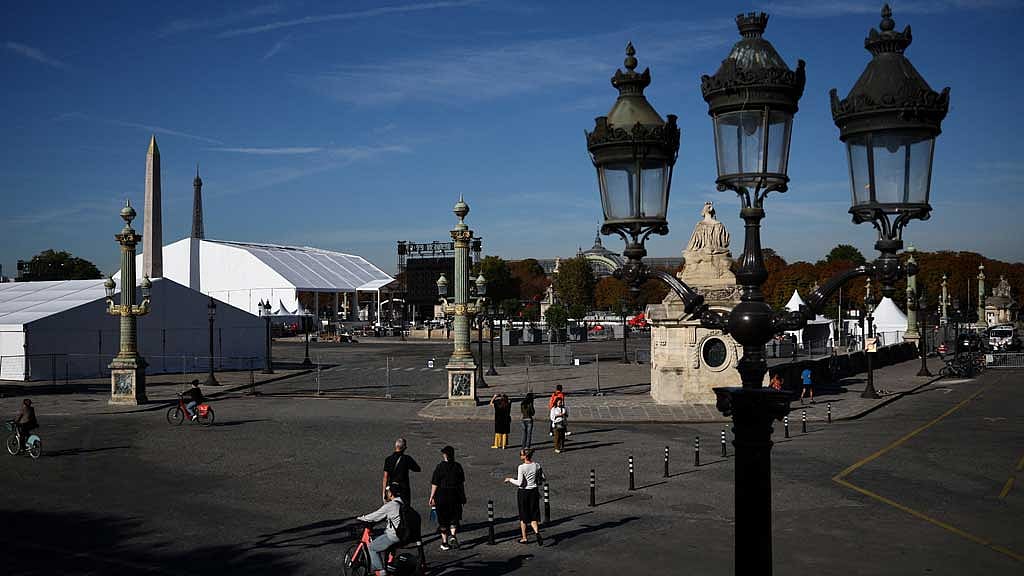
Paris, third overall, scores strongly for quality of life, supported by high life expectancy and access to culture. It has about 130 museums, while 11 municipal museums have offered free entry to their permanent collections since 2001.
Many other museums also offer free admission at least once a month.
Seattle, fourth, also scores highly for quality of life, with its art scene and grunge music heritage among the factors highlighted.
Its recently completed 8.09-hectare Waterfront Park replaced a demolished motorway with a walkway, community piers and cycle lanes along Puget Sound.
The report also points to environmental measures.
London performs strongly for a city of its size, with policies including the congestion charge and Ultra-Low Emission Zone helping reduce traffic and pollution.
San Francisco's transport network contributes to its strong environmental score by reducing reliance on cars. Dublin also performs well, with relatively low pollution and a target of reaching climate neutrality by 2030.
Technology is another factor behind some of the fastest-rising cities, the BBC said.
San Jose, eighth, recorded the highest GDP per person in the index, helped by companies such as Alphabet, Apple and Nvidia being based in Silicon Valley.
Nearby San Francisco, home to companies including Meta, Uber and Salesforce, has seen driverless cars become part of everyday transport.
Tallinn, Estonia's capital, features on the index's Cities to Watch list because of its growing technology sector and high AI adoption compared with other European capitals.
Rail Baltica, which is due to connect the Baltic states by rail by 2030, is being developed as a "digital native" railway, with plans for full renewable-energy power and 5G communication systems instead of conventional signal lights.