


Published : 02 Apr 2014, 09:12 PM
Updated : 19 Oct 2022, 07:26 PM


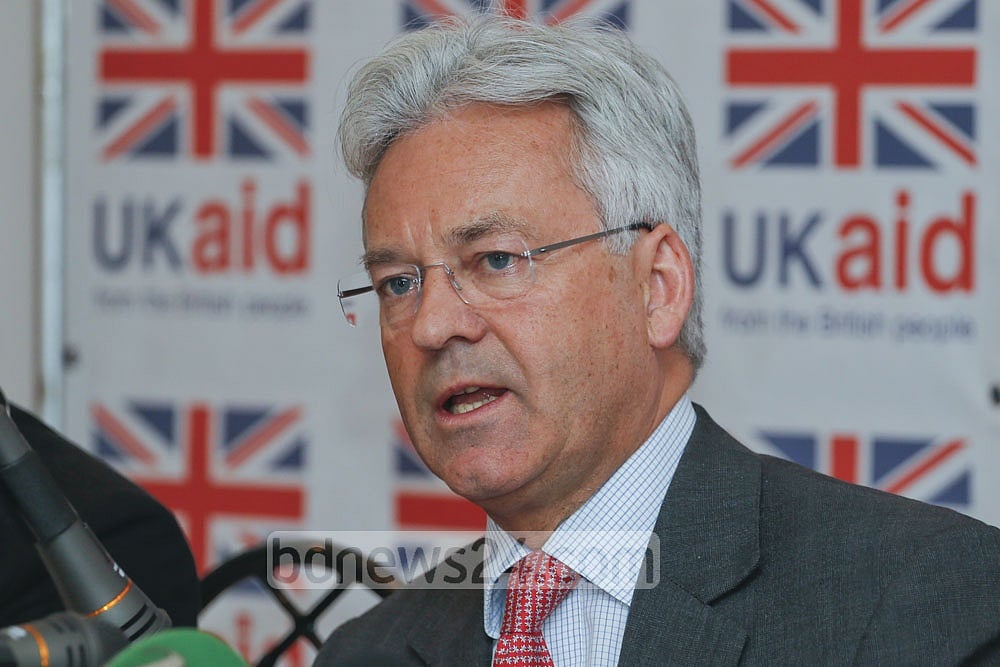
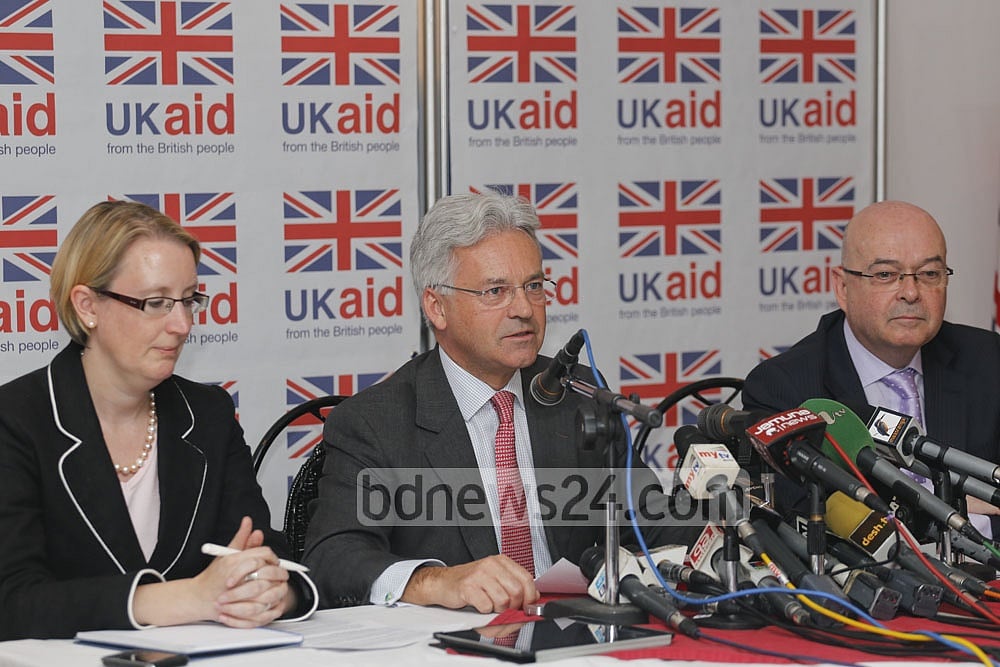
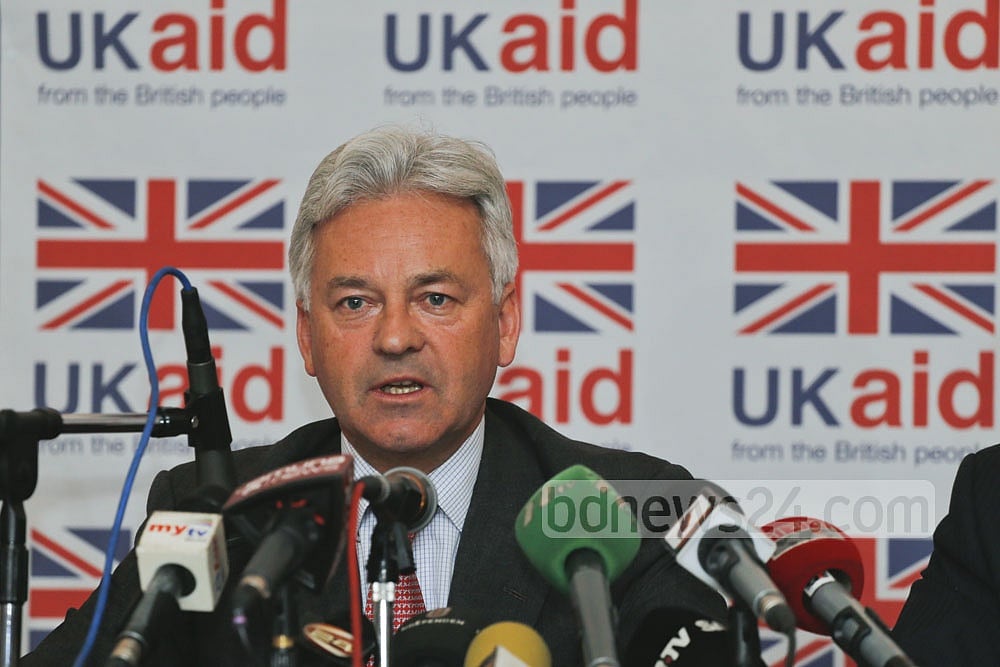
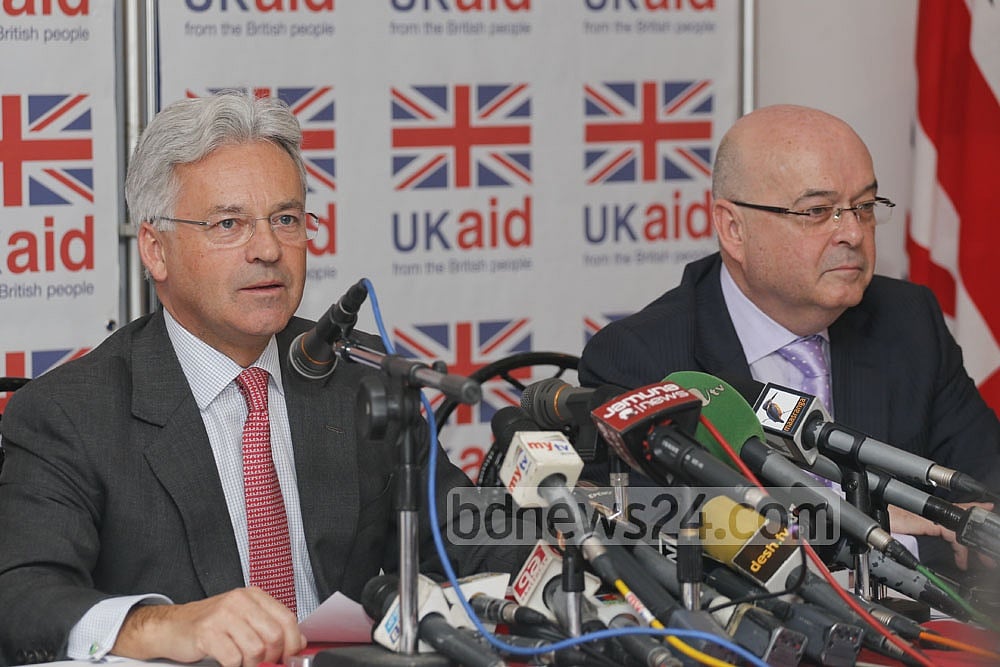
Alan Duncan at a press briefing in Dhaka on Wednesday said he respected Bangladesh’s political system and the results of the Jan 5 elections though he found it “unusual” because one side did not contest.
“Although it was unusual it was legitimate,” he said.
The state minister for international development, however, said those who closely followed the events in Bangladesh had been “shocked” that “over 500 lives” were reported to have been lost in political violence last year.
“Such attacks have no place in a democratic society, whatever differences or grievances may exist,” Duncan felt.
He was particularly “disturbed” by reports that minority communities were targeted both pre- and post-elections and “continue to suffer from harassment, and by reports of alleged extrajudicial killings and enforced disappearances”.
It was “vitally important” in any democracy that all citizens can hold their government to account, through the ballot box, through their representatives in Parliament, and through legitimate and peaceful forms of protest.
The UK has consistently called on all parties to refrain from violence, intimidation and confrontation, he said. The reports of interference and irregularities during recent Upazilla elections also “concerned” him.
Duncan arrived on Monday on his fourth visit just one year into the worst-ever building collapse on Apr 24 last year that killed more than 1100 people mostly garment workers.
He met the Leader of the Opposition in Parliament Raushan Ershad and several senior ministers of the government and discussed political issues as well as the factory safety and workers rights conditions.
He is scheduled to meet Prime Minister Sheikh Hasina and BNP Chairperson Khaleda Zia later on Wednesday evening before leaving Dhaka on Thursday.
However, journalists mostly asked him about topics related to Bangladesh’s politics in the press briefing.
He said in all his meetings with political leaders, “I have urged all parties to work together to find ways to strengthen democratic accountability and to put an end to the damaging 5-year cycle of electoral violence and instability.”
Asked whether he has called for interim elections, he said, “It’s not for me as a visiting minister to tell Prime Minister what to do. I am guest in this country. I respect this country’s political system and results of the election.”
He said “it’s not for me to say” whether or not the Prime Minister serves four or five years.
“We’ll work closely with the government of this country”.
He said he encouraged “proper conduct of politics”, and tried “to offer a bit of hope”.
“We did not want to see politics become the politics of recrimination and viciousness. We invite enlightened government for the good of the people,” he said.
“Prime Minister has the opportunity to do that.” He said he would “urge her to look ahead and ask herself where she wants Bangladesh to be in five and 10 years time”.
“This is a country of great opportunity,” he said citing instances of the readymade clothes growth.
They were opportunities of development by attracting investment but political stability would be “very important” for that, the minister noted.
He said when he would also convey to Sheikh Hasina that Britain wanted “proper democracy, free of violence, focusing on the need of the people”.
Duncan, however, later clarified that proper democracy had many ingredients and “no democratic system is perfect”.
“But any democratic system is usually better than the alternative that might replace it,” he said emphasising that proper democracy would require election of people “to govern the country in free, fair and trusted election after which those who are elected are entrusted to govern but held accountable for the way they govern”.
“So (it needs) openness and scrutiny and the ability of electorate who have elected someone to decide whether they re-elect them or not.
“So you need regular elections,” an ingredient which the minister said was present in Bangladesh.
“But standards of running it need to be improved, I think everybody accepts that,” he said and added that violence was “never accepted” in democratic context.
“We condemn violence and cheating of the ballot box wherever we see it across the world.”
The British minister saw great potential of Bangladesh and said Britain would help “many needs of Bangladesh through our development programme”.
“And I will certainly suggest to her Excellency Prime Minister that political stability is good for growth, political instability is bad for economy and growth.”
He said during his meeting with the Raushan Ershad, he spoke about “the importance of being responsible opposition”.
“Actually any opposition, any Member of the Parliament has an important role to play in commenting on conduct of government”.
“She assured me she wanted her participation of politics to be one of constructive criticism.
“Her attitude was practical and constructive in as much that is what can be followed up. I welcomed her attitude,” he said.












