Published : 27 Nov 2024, 09:18 AM
Updated : 28 Aug 2026, 01:14 AM


Despite a High Court ban, battery-powered rickshaws have gained temporary permission to operate on Dhaka’s roads due to a stay order by the Appellate Division.
The three-wheeler vehicles have sparked debates, with arguments both for and against their use.
The Bangladesh Passenger Welfare Association has consistently identified battery rickshaws as a major contributor to rising road accidents in recent years.
The organisation also called for a ban on e-bike movement on main roads and restrictions on importing battery-powered rickshaws and their parts.
However, the association objected to the High Court’s directive to remove battery-powered rickshaws from Dhaka’s streets within three days, issued on Nov 19.
The group argued that resolving issues affecting millions of rickshaw drivers is impossible within such a short timeframe.
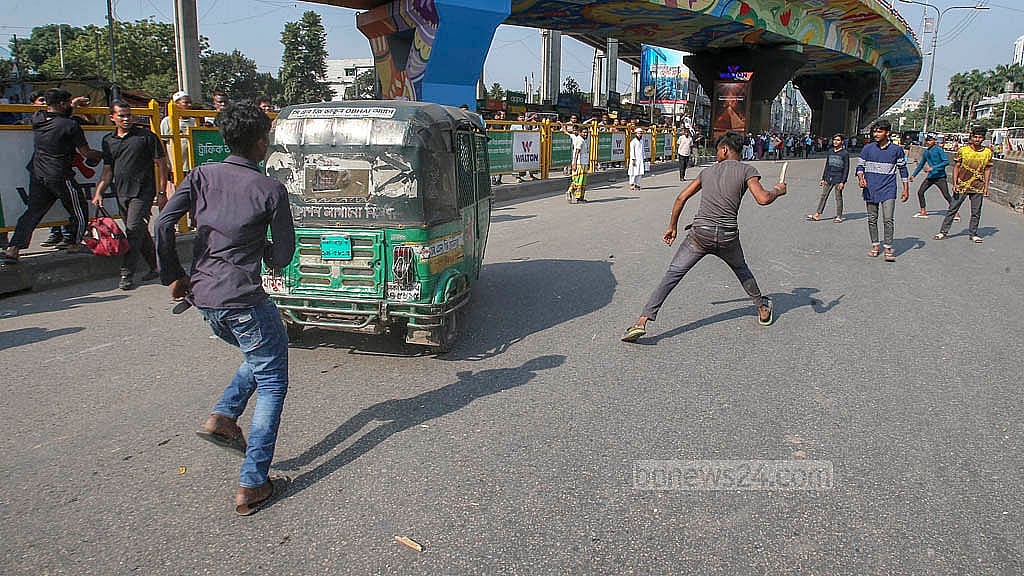
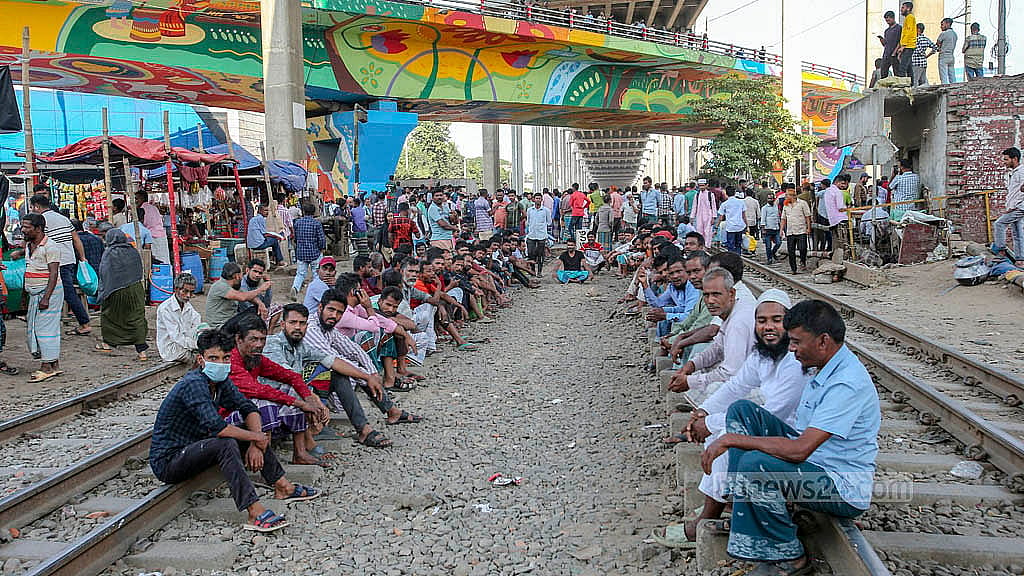
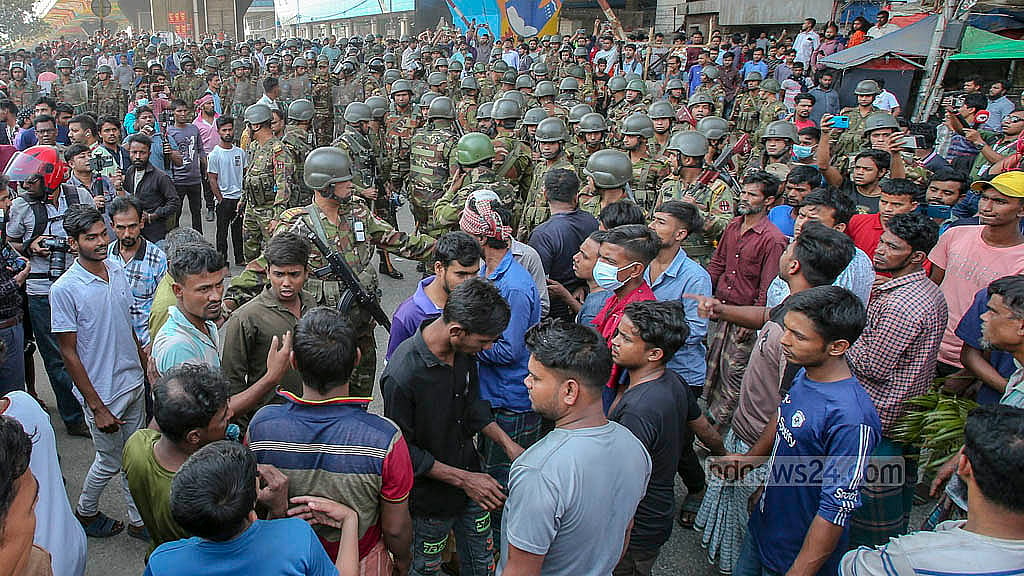
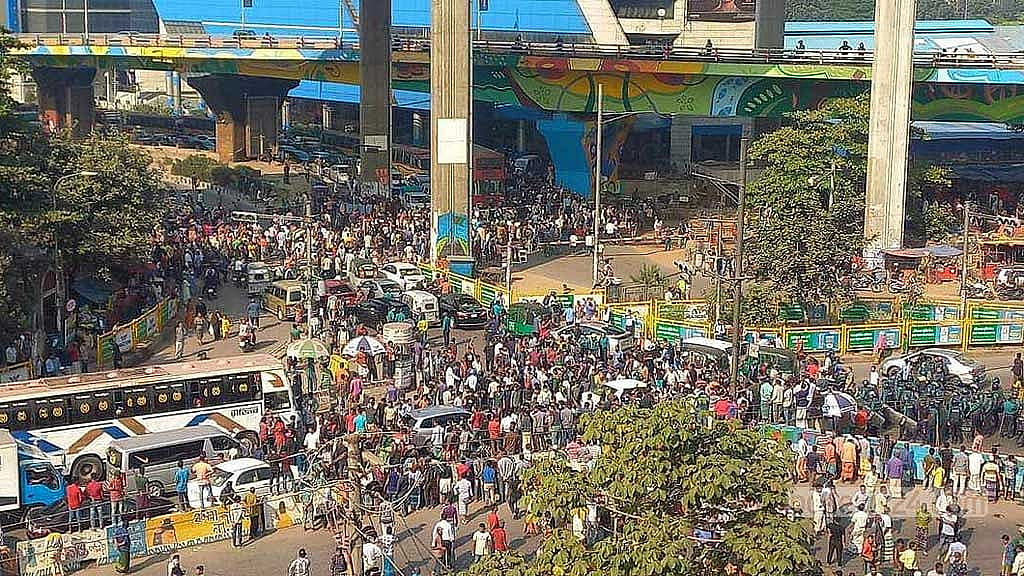
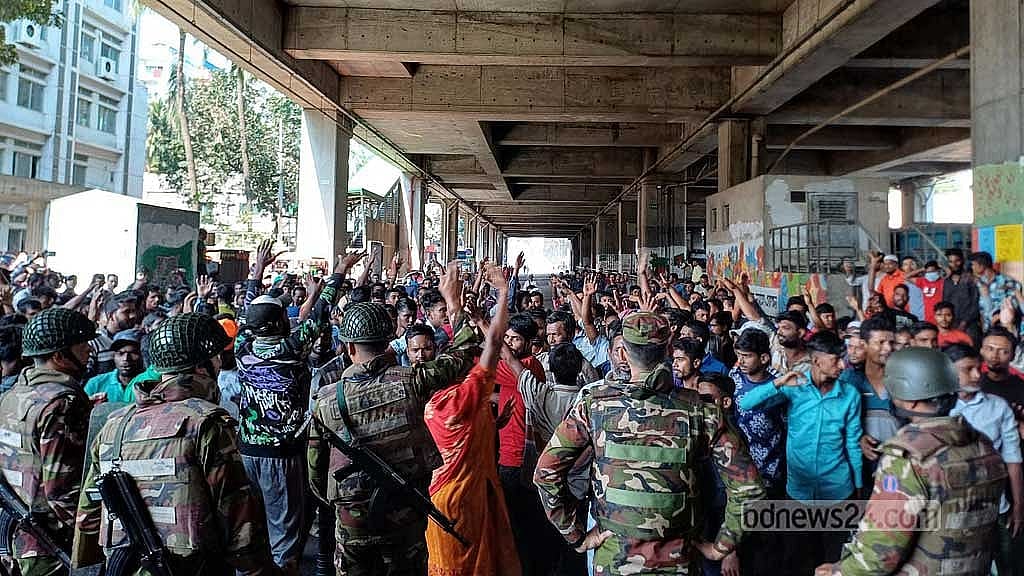
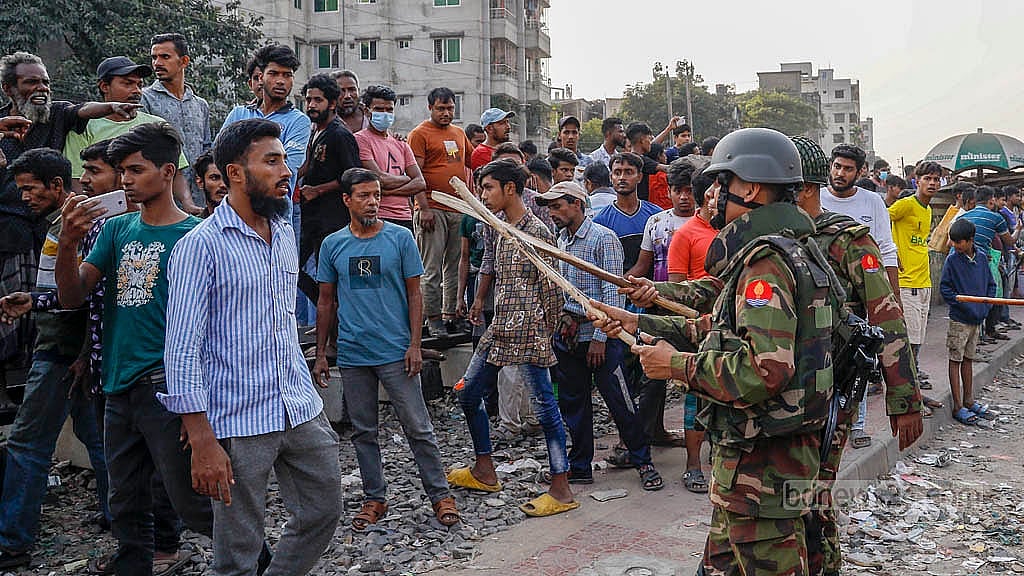
Following the ban, battery-powered rickshaw drivers took to the streets the next day, staging demonstrations and blocking buses and trains.
Clashes erupted with law-enforcing agencies, causing severe disruptions for Dhaka residents.
Drivers demanded a resolution through licensing and route permits instead of an outright ban.
The Passenger Welfare Association has made similar recommendations to the government.
This is not the first time a ban on battery-powered rickshaws has been attempted.
Previous governments also failed to enforce such measures due to protests and demonstrations.
Opinions remain divided among the public.
Supporters argue that pedal-powered rickshaws are “inhumane” in modern times, given their low speed and physical strain on drivers.
Battery-powered rickshaws, on the other hand, offer higher speeds, reduced effort, and greater earnings for drivers.
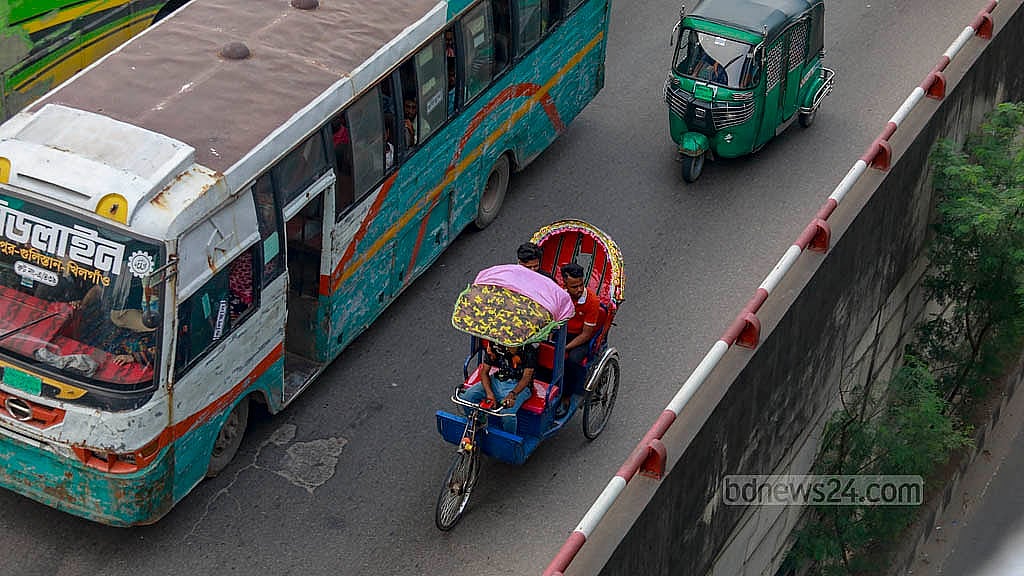
Critics counter that retrofitting traditional rickshaws with batteries increases speed but also raises the risk of accidents.
They claim the proliferation of these rickshaws has made navigating Dhaka’s narrow lanes increasingly difficult. The vehicles’ weak control systems lead to frequent collisions.
Battery-powered rickshaw drivers and their associations have urged the government to implement regulations and allow them to operate on designated roads.
Experts, however, argue that these vehicles should not be allowed in cities at all.
If permitted in narrow lanes, they suggest redesigning their structure to improve safety.
GROWING NUMBERS, INCREASING RISKS
Determining the exact number of battery-powered rickshaws in Dhaka is challenging, but estimates suggest there are around 800,000 to one million such vehicles.
Before the government’s fall in May, former road transport and bridges minister Obaidul Quader announced a ban on battery-powered vehicles on May 15.
The plan was abandoned following protests, leading to a surge in their numbers across Dhaka.
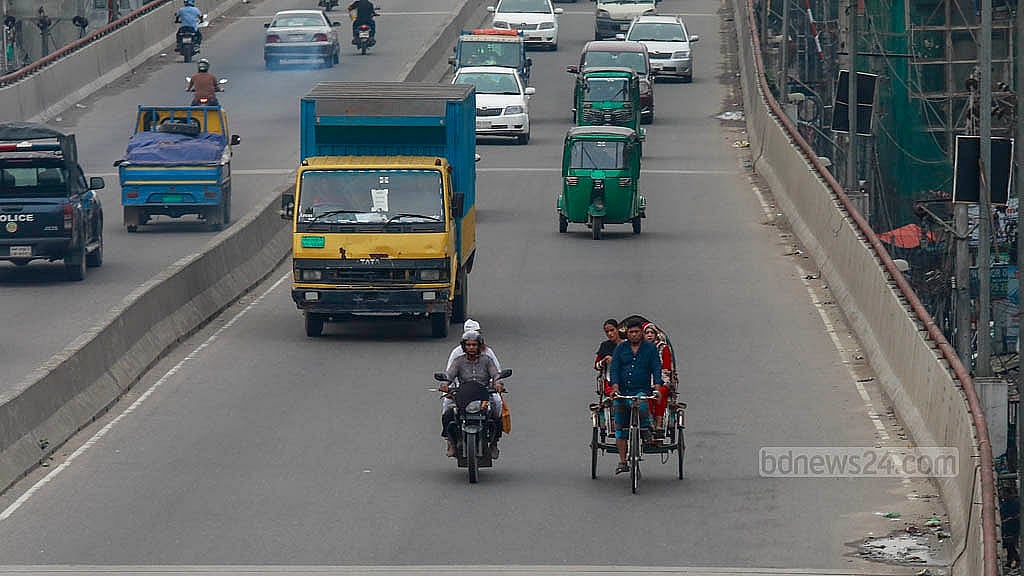
Drivers say the situation worsened after Aug 5, as the lack of police allowed battery-powered rickshaws to move from narrow lanes to highways and flyovers.
Mohammad Majnu Mia, a rickshaw driver in Dhaka’s Mirpur, told bdnews24.com that he switched to battery-powered rickshaws after struggling to find passengers for his pedal rickshaw.
"On broken roads in the lanes, you can’t earn more than Tk 20-30 per trip. That’s not enough to survive," he said.
"On Thursday and Friday, I worked in the inner roads and couldn’t earn more than Tk 500-600 a day. After paying Tk 450 to the owner, there’s barely anything left for us to eat!"
Majnu said many drivers previously worked in other professions and lack experience with rickshaws or road regulations, contributing to reckless driving and traffic chaos.
Tofazzal Hossain, another driver from Dhaka’s Nakhalpara, blamed younger, inexperienced drivers for the problems.
"Some drivers are young, use drugs, and drive recklessly. They try to overtake even when a microbus is coming," he said.
He compared the streets to rivers, saying: “Just like rivers have good and bad fish, there are both good and bad drivers.”
ROAD SAFETY CONCERNS
Bangladesh Passenger Welfare Association presented its concerns over battery-powered rickshaws during a press conference at the Dhaka Reporters’ Unity on Monday.
Mozammel Haque Chowdhury, the organisation’s secretary general, said: “The uncontrolled import of battery-powered rickshaws, easy local production in garages, and the lack of employment opportunities in other sectors have led millions to take up driving these vehicles, often risking their lives.”
He added, “This has also created a labour shortage in agriculture, hampering production and driving up food prices. The lack of training for millions of workers driving these vehicles has posed severe risks to road safety.”
Mozammel cited hospital data, saying that 53,207 road accident victims were admitted to hospitals nationwide in 2023, including the National Institute of Traumatology and Rehabilitation in Dhaka.
On average, 17 road accident victims are admitted daily to district hospitals.
He blamed the increase in road accidents and fatalities on the rise of commercial motorbikes, battery-powered rickshaws, e-bikes, and CNG-powered three-wheelers.
DEBATE OVER BATTERY-POWERED RICKSHAWS
The proposal to ban battery-powered rickshaws has sparked mixed reactions, with some advocating for the ban while others suggest regulation and restricted use.
Critics of a complete ban argue it would jeopardise the livelihoods of thousands of drivers and their families. They propose limiting the rickshaws to alleyways, implementing speed controls, and ensuring compliance with regulations. Modifications such as installing speed limiters could make them safer for operation.
Arnob Utpal, a resident of Uttara, believes regulating speed is a better solution than an outright ban.
He told bdnews24.com, “In our area, the design of these rickshaws is different, with wider wheels and a lower centre of gravity. With speed limiters, they could safely operate on main roads. However, I’m against retrofitting traditional rickshaws with batteries, as they lack balance.”
Mizanur Rahman, a social worker from Jurain, called for a systematic approach to managing battery-powered rickshaws.
“Until a proper system for auto-rickshaws is in place, the government must either compensate affected drivers and owners or take responsibility for their financial losses,” he told bdnews24.com.
Others, however, oppose any form of allowance for these rickshaws.
Mohammad Safiur Rahman Roni pointed out, “Battery-powered rickshaws have always been illegal, but their numbers grew due to the influence of certain individuals. It’s unreasonable to expect the government to shoulder all the responsibility for this issue.”
Kazi Saifun Newaz, associate professor at the Accident Research Institute of Bangladesh University of Engineering and Technology, or BUET, highlighted the lack of structured discussions on these rickshaws.
He said while BUET had earlier suggested design changes for electric vehicles like e-bikes, battery-powered rickshaws were not addressed.
He underscored the need for urgent control, saying: “The government must take stricter measures to regulate their production and charging. A fixed number of permits could be issued for alleyway use, perhaps around 100,000, but the current uncontrolled proliferation is unsustainable.”
PROPOSED ALTERNATIVES FOR BATTERY-POWERED RICKSHAWS, EASY BIKES
The Rickshaw, Battery-Powered Rickshaw-Van, and Easy Bike Drivers' Struggle Council has called for these vehicles to be brought under a licensing system with route permits.
Khalequzzaman Lipon, the council’s convenor, told bdnews24.com: “The Supreme Court has issued a verdict, and the government has decided that battery-powered rickshaws and easy bikes can operate in areas other than main roads.
“We do not seek access to main roads. Our operation will remain confined to alleys. We also demand service roads along highways for the safe movement of battery-powered and easy bikes.”
When asked about such vehicles being seen on highways, Lipon said, “We have always opposed this. However, since Aug 5, the situation has spiralled out of control.
“Between Aug 5 and now, there was no law-enforcing presence or discipline on Dhaka’s streets. During this period, these vehicles moved onto main roads. The government has since taken steps, and now battery-powered rickshaws are not seen on main roads.”
The council has been advocating for the implementation of a policy for the proper management and regulation of three-wheelers and similar vehicles.
Despite assurances during a meeting in July that the policy was nearing finalisation, there has been no progress.
“Once implemented, the policy will specify which vehicles are allowed to operate where. It will also facilitate modernisation of vehicle designs to meet safety standards,” Lipon added.
The Passenger Welfare Association has also voiced opposition to a complete ban on these vehicles.
Instead, they recommend restricting their use on main roads while recognising their potential to generate significant revenue through proper regulation.
General Secretary Mozammel y said, “Registering four million battery-powered autorickshaws through city corporations, municipalities, and Upazila councils, and issuing licences at a nominal fee, could yield Tk 50 billion annually.”
The association proposed several recommendations to regularise these vehicles:
These recommendations aim to balance safety and traffic management while addressing the economic potential of these vehicles.
PROGRESS OF THE POLICY
The draft policy to regulate unauthorised three-wheeled vehicles, including battery-powered rickshaws, was prepared by the Road Transport and Highways Division on Nov 7, 2021.
However, three years later, it still awaits approval.
The draft defines battery-operated three-wheelers, auto rickshaws, locally made vehicles like Nosimon, Korimon, BhatbBati, and Alam Sadhu as "three-wheeled and similar motor vehicles”.
It says electric bikes or easy bikes can only operate on local routes at the union or Upazila level, with approval, and no part of the route can involve highways or regional roads.
Route permits will be issued based on recommendations from the Upazila Road Safety Committee, while the BRTA will handle registrations according to prescribed limits.
According to the draft, electric bikes will not be allowed on main roads in city corporations, divisional cities, and district towns.
However, they may operate on smaller streets for up to two years after the policy is implemented. Following this, they will need to be removed from those roads.
Before registration and ceiling limits are set, the vehicles’ designs must comply with safety standards and receive approval from Bangladesh Road Transport Authority, or BRTA, based on recommendations from a government engineering university.
When asked about the policy’s status, Saiful Islam, additional secretary (Law Division) of the Road Transport and Highways Division, told bdnews24.com that while the policy was almost finalised in 2024, approval was delayed.
The ministry is now revisiting the issue and expects to finalise the policy after a few more meetings and minor adjustments.
[Written in English by Arshi Fatiha Quazi]