'Crisis could have been averted if govt secured timely imports'
The current scramble over rice procurement could have been averted if the government had secured timely imports, a BDR officer said Wednesday, warning: "The ongoing food crisis will continue through the next two to three years and prices will remain high."
bdnews24.com News Service
bdnews24.com
Published :
09 Apr 2008, 12:23 PM
Updated :
24 Apr 2022, 08:24 PM
Dhaka, April 09 (bdnews24.com)—The current scramble over rice procurement could have been averted if the government had secured timely imports, a BDR officer said Wednesday.
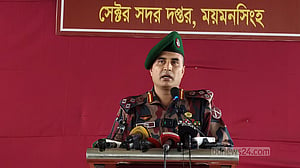
In an exchange of views with reporters at BDR headquarters, Col Mujibul Haque, sector commander in Dhaka, said: "I think the government should have imported sufficient quantities of rice well in advance to avert the ongoing crisis."
Col Haque, who is also taskforce commander in charge of 'Operation Dalbhat', told reporters that the bumper harvest of boro paddy may curb rising rice prices to some extent.
"Wheat yields all over the country have been good. Boro has brighter promises for us. Rice prices will go down a bit as the boro arrives in the market."
But, he warned: "The ongoing food crisis will continue through the next two to three years and prices will remain high."
"We'll have to ensure our own food production through modernising agro-technologies and implementing strategic plans," said the BDR sector commander.
Briefing reporters on sales at BDR fair price shops, he said 600 tonnes of rice was being sold through the 50 outlets at present.
He said BDR would open 25 new outlets from next Sunday, which would allow a total of 800-900 tonnes of rice to be sold everyday through fair price shops.
"These 75 outlets will be further increased, if necessary."
Over 100,000 people use the BDR fair price shops daily, and over 100,000 tonnes of rice have been sold at subsidised prices during the past year, including 10,000 tonnes through the government's OMS scheme, Haque said.
BDR imports rice directly and also buys rice at ports of entry directly from other importers, with government subsidies, he said.
"With other essential commodities, we buy from the market and sell them through our shops at minimum profit."
"The BDR shops are therefore able to sell commodities at prices which are lower than the open market rates, but still they are not within the purchasing power of many people."
Replying to a reporter's question, he said: "We try to stop those who might come for a second buy on the same day."
"Yes, some people must be trying to earn some profits too, depriving the needy, or why should the queues seem to grow all the time?"
"But it's very difficult to maintain law and order from 8am to 5pm. About 40 officers and 2,000 riflemen have been deployed in the operation at our retail shops."
Haque said Operation Dalbhat started in March 2007, going into full swing during Ramadan.
"It's trying to help the government control consumer prices through serving the people."
"Introduction of multi-queue sales in place of the single queue would also serve more people in less time," the colonel suggested.
bdnews24.com/mrf/wz/rah/1830 hours