


Published : 07 Mar 2017, 08:52 PM
Updated : 19 Oct 2022, 03:30 PM


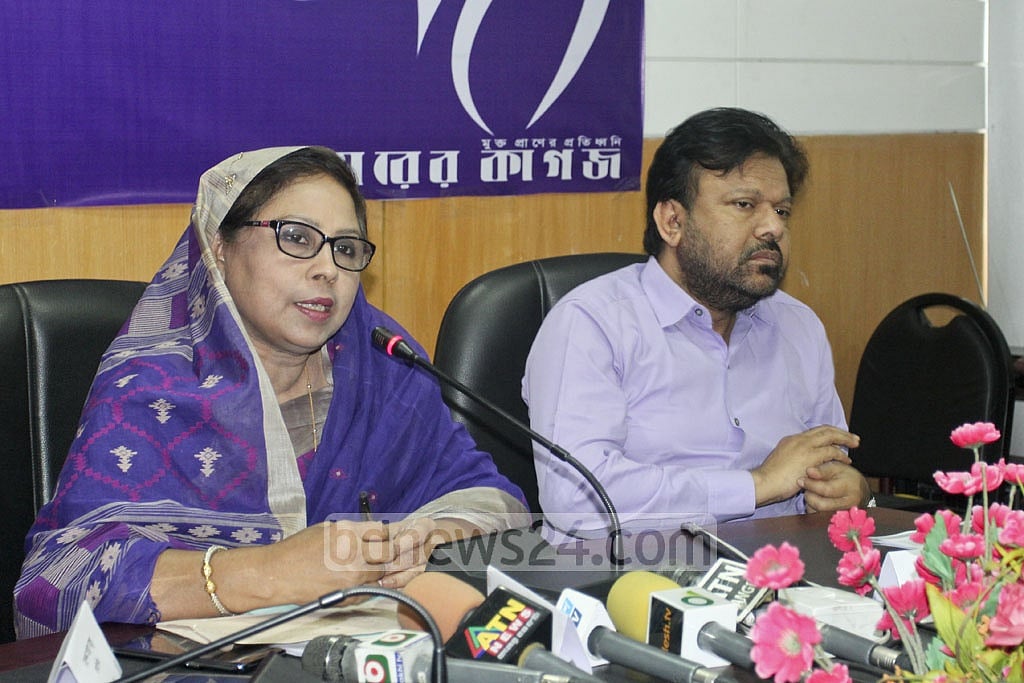
She said the government was making rules and by-laws under the Act, which she says, will remove the critics' concern.
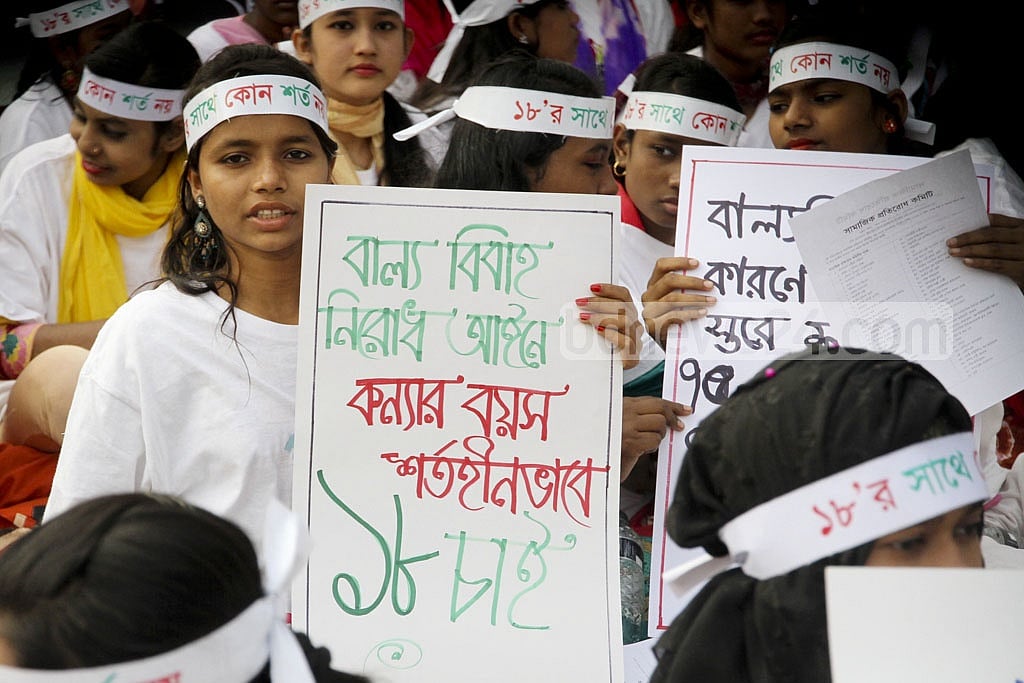
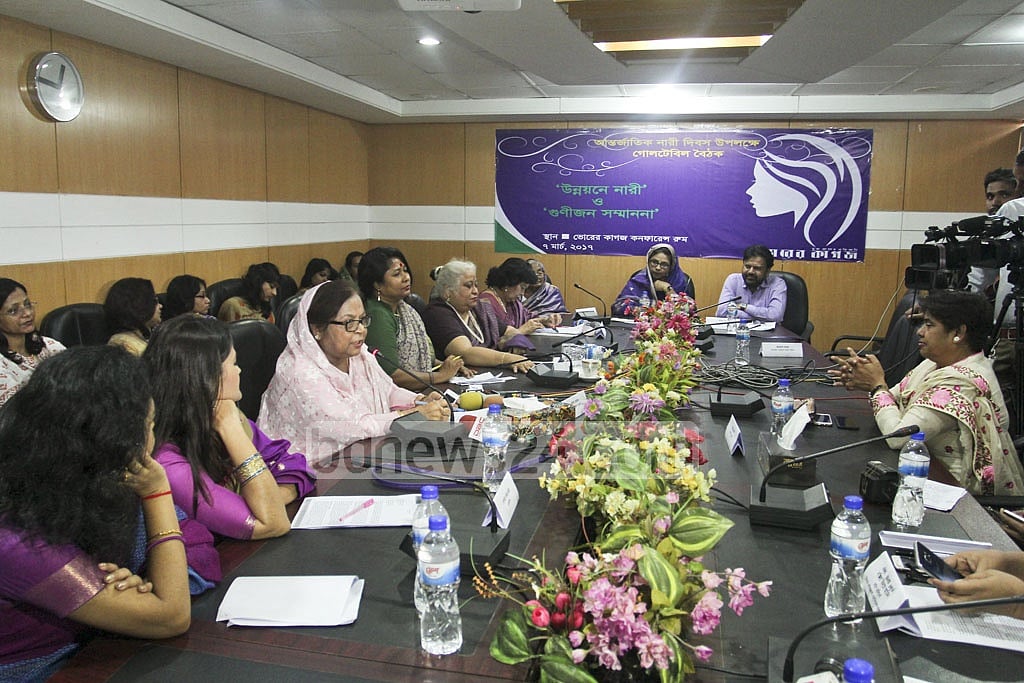
The minister came up with arguments in defence of the recently passed Child Marriage Restraint Act 2017 at a roundtable amid criticism by rights organisations over the special provision.
According to the law passed in Parliament on Feb 27, the minimum age for the marriage of females is 18, and for males, it is 21, other than the 'exceptions in exceptional circumstances'.
The rights organisations are concerned over the possibilities that the rate of child marriage would soar due to the special provision in Bangladesh where under-aged marriage is already at a worrying level.
"The newspapers are writing that we are allowing marriage at the age of 15; we are making it easier for even a rapist to get married easily; we are opening the flood-gate of child marriage," Chumki said at the discussion in Dhaka on Tuesday.
"It's a wrong message through which people think that we are making child marriage an option, open to all. But we are just making by-laws; It's not yet gazetted yet then how did we open up the child marriage?" she asked.
The Act will be in effect after being signed by the president. The organisations campaigning against the Act have urged President Md Abdul Hamid not to sign it.
The 'special circumstances' and the minimum age applicable under the 'special provision' have not been specified in the law.
After the passage of the draft law by the Cabinet, it was said that court would decide the matters.
Chumki said the explanation of the special circumstances would be in the by-laws to be passed on Mar 12.
"The reasons (for allowing child marriage) will be there in the by-laws," she said.
She did not reveal the explanation, saying, "You need to wait some time to see what is in the by-laws."
In reply to a bdnews24.com query, the minister said the minimum age allowing marriage will not be specified in the by-laws.
Arguing for the decision not to keep any minimum age, she said, "Someone can put others in trouble, using this act. It's a tough act.”
“If we put someone in jail for two years, who will look after the family? We will have to keep some gaps. And an emergency is an emergency; no minimum age can be mentioned there."
Information Minister Hasanul Haq Inu recently said that the act would protect the girls "who get pregnant in case rape incident."
The critics say that the girls will be forced to marry the rapist, which might give rise to the incident of rape in the country.
State Minister Chumki claimed that though the government wants an end to child marriage, Bangladesh's social system is 'not fully tuned to that level yet'.
The minister also blamed the high population density for high child marriage rate. "If the problem (population density) was not there, we had not cried much over the issue," she said.
She said the new law is a tough one. "The punishment under existing law was only one month jail and Tk 1000 fines. Now the fine is Tk 50,000," she said.
The 'qazi', who administers the marriage, will lose the license for violating the law. "The qazi will not easily administer the wedding. There were also loopholes about birth registration. We have made birth registration mandatory," the minister said.
She hoped Bangladesh would be free from child marriage by 2021.
BNP Vice-Chairperson Selima Rahman, Nari Pragati Sangha Executive Director Rokeya Kabir, daily Bhorer Kagoj Editor Shyamal Dutta, and Deputy Inspector General of Police Fatema Kabir also took part in the roundtable.
Language Movement hero Raushon Ara Bachchu was given an award.













