Published :
11 Nov 2013, 09:28 AM
Updated :
09 Aug 2022, 11:18 AM
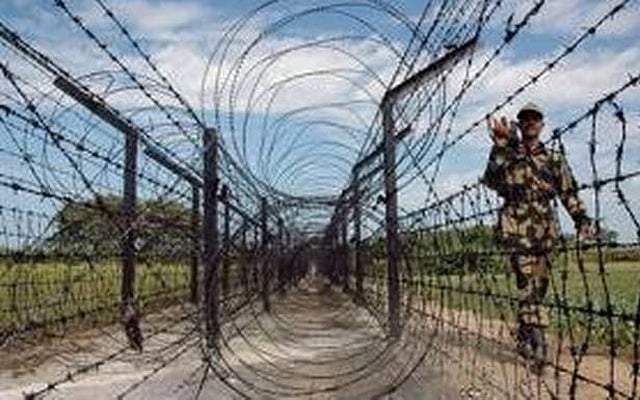
On Friday morning, a group of suspected rebels of the breakaway faction of the A'chik National Volunteers Council (ANVC-B) attacked the Kathakona observation post at Bagli in Meghalaya's South West Khasi Hills, killing two BSF troopers, Sashit Biswa and Pappu Kumar Yadav.
"We have identified four ANVC-B rebels involved in the killing of our two troopers and these names have been handed over to the BGB to trace them," BSF spokesman Mahendra Singh told IANS.
Bagli is about 150 km from state capital Shillong, and known to be the heartland of the ANVC-B and the outlawed Garo National Liberation Army, which was involved in killing five Meghalaya policemen Nov 5.
The names of the four rebels were handed over to Col Kharul Bashar, sector commander of Sylhet sector and Lt Col Masudul Haque, commandant of 8 BGB battalion at a sector-level meeting of the BSF and the BGB at Bagli.

Though the BSF has refused to divulge the names of the four assailants, Singh said two of the prime accused were identified as Marcus Marak -- a tribal Garo from Bangladesh shared the name with another assailant from the Indian side.
"They (ANVC-B) do not have any permanent camps as such in Bangladesh, but we have specific inputs that these rebels were provided shelter in Bangladesh by sympathisers in Bangladesh," Singh said.
Though the BSF accused the ANVC-B for Friday's murders, the ANVC-B, a splinter group of the ANVC, which has been observing a tripartite ceasefire with the central and the Meghalaya governments, accused the outlawed United Liberation Front of Asom (ULFA) and the Garo National Liberation Army (GNLA) for killing the two Indian border guards.
"A GNLA-ULFA group numbering 10 entered the West Khasi Hills area via Moheskola in a vehicle last night to cross over to Bangladesh. They also killed two BSF personnel and took away two weapons," ANVC-B spokesman Doang D Shira said Friday.
Shira said the GNLA is being backed by foreign elements, ULFA among them.
Recent reports suggest the ULFA is trying to operate on the Meghalaya-Bangladesh border after suffering heavily during a crackdown on it by Bangladesh security forces in 2009-10.