Published : 04 Apr 2022, 08:14 PM
Updated : 21 Oct 2022, 03:40 PM


An appeals bench headed by Chief Justice Hasan Foez Siddique issued the ruling on Monday following an appeal by the owners. The Appellate Division’s ruling is an amendment of a High Court order to remove the vehicles from across the country.
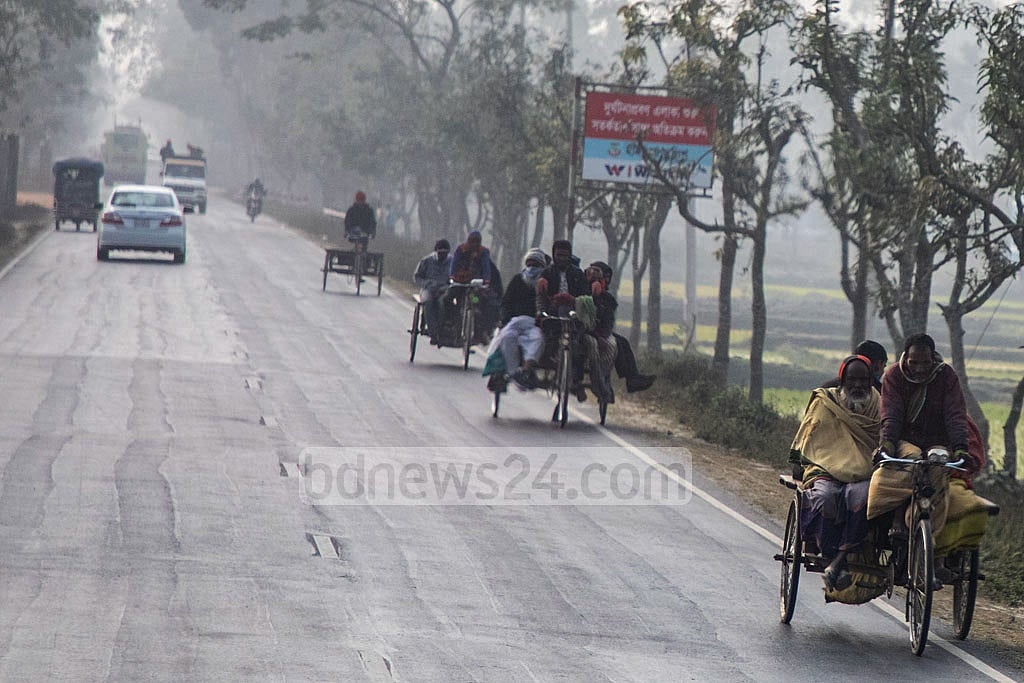
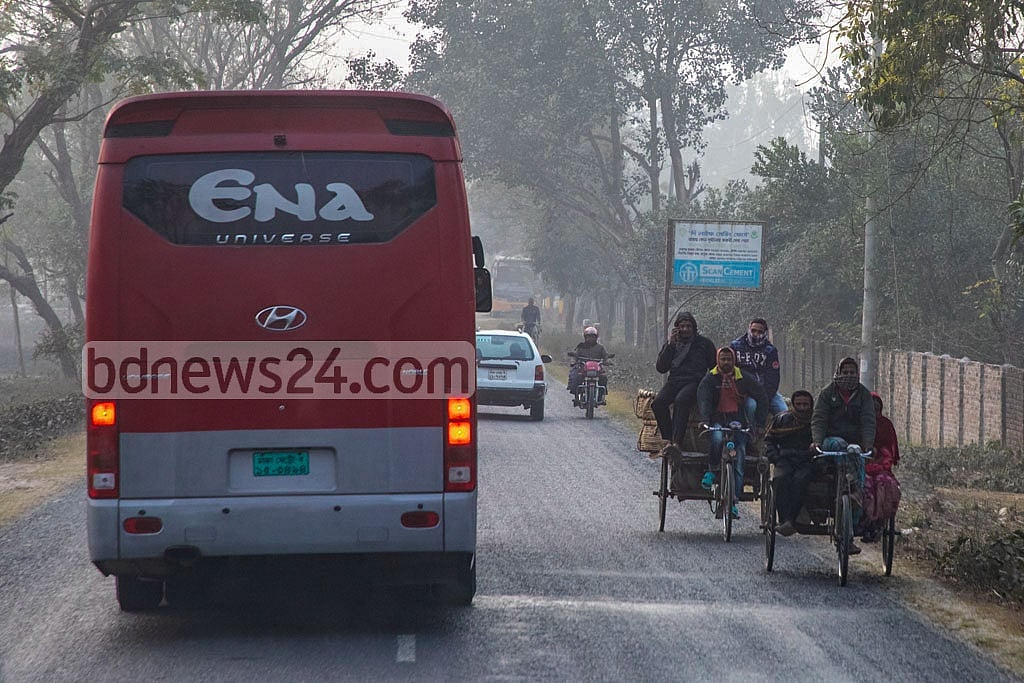
The three-wheeled electric vehicles are known by various names, such as Auto and Easy-bike. Currently, hundreds of thousands of such vehicles carry passengers without government approval. They are blamed for deadly road accidents as drivers of speedy trucks and buses accuse them of blocking the highways.
In a writ petition on Dec 15, the High Court ordered the identification and removal of all illegal battery-run three-wheelers.
Kamal Uddin Ahmed, president of Bangladesh Electric Three-Wheeler Manufacturing and Merchant Association, and its General Secretary Ahsan Samad appealed to the Appellate Division seeking an amendment to the High Court order.
Battery-powered rickshaws are transporting passengers on Rangpur-Dinajpur Highway despite a high risk. Three-wheelers, locally known as Nosimon, Korimon and rickshaws, are banned on the highway but the operators are not heeding the rule. Photo: Mostafigur Rahman
The policy did not have a provision for these vehicles to run on highways, she said but added such vehicles are friendly to the environment.
The policy stipulates keeping charging stations on the roads like there are petrol pumps for fuel oil-run vehicles.
Leaders of drivers of these vehicles have expressed relief after the Supreme Court ruling.
Khalequzzaman Lipon, convener of the Rickshaw, Battery Rickshaw and Easy-bike Drivers Struggle Council, and Imran Habib Rumon, member secretary, however, said that the Supreme Court's order was a "temporary relief" but would not solve the whole crisis.
They said it will be difficult for people to travel to markets or important places, which are mainly situated on highways, without the battery-run vehicles.
Therefore, it will not be possible to overcome the situation without the creation of separate lanes or service roads for the movement of low-speed and local vehicles on the highways.