Published : 28 Oct 2026, 01:31 AM
Updated : 28 Oct 2026, 01:31 AM


Every year, snakebites kill thousands of people in Bangladesh. Yet the country’s only venom research centre, established to help develop an antivenom suited to local snakes, is struggling to survive. Its work is stalled by a lack of funding and a government project proposal caught in bureaucratic limbo.
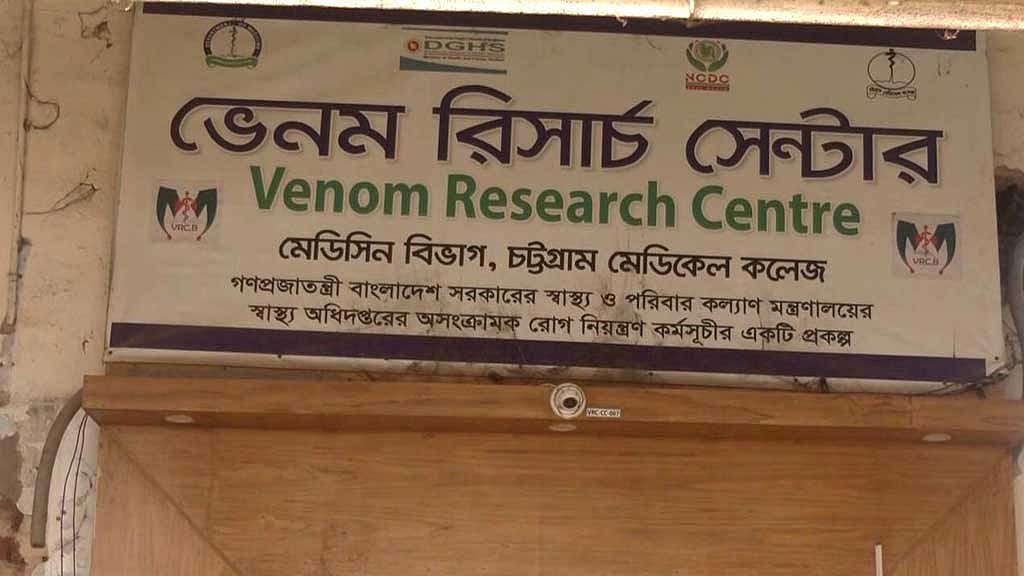
The centre opened at Chattogram Medical College in March 2018, following World Health Organization guidance that antivenom should reflect regional differences in snake venom.
It has received no government funding since June 2024. Researchers have kept it running largely with borrowed money and personal contributions, but warn that the effort cannot continue indefinitely.
A development project proposal has been awaiting approval at the health ministry for a year.
Without approval and fresh funding, the future of 370 snakes from 11 species, along with 1.7kg of venom collected for research, is uncertain.
The stakes are considerable. The WHO estimates that about 5.4 million people worldwide are bitten by snakes each year, including 1.8 million to 2.7 million bitten by venomous species. Snakebites kill between 41,000 and 138,000 people annually.
Bangladesh is among the countries most at risk. Local research cited by the WHO estimates more than 6,000 snakebite deaths a year.
A survey by the Directorate General of Health Services, titled National Survey on Annual Incidence and Epidemiology of Snakebite in Bangladesh, puts the toll at around 7,500 deaths and 890,000 bites annually.
Bangladesh mainly uses polyvalent antivenom, which works against cobras, kraits and Russell’s vipers. There is no antivenom in the country for other venomous green snakes or venomous sea snakes.
The government imports supplies from India through its non-communicable disease programme, while the WHO also provides some.
Last year, reports emerged of a government initiative to build an antivenom factory at the Chemical Industrial Park in Sirajdikhan, Munshiganj. But researchers say developing treatment suited to local snakes remains crucial.
Project Ends, and Funding Dries Up
The centre began under a five-year, Tk 80 million project run by the Directorate General of Health Services’ non-communicable disease control programme, under Chattogram Medical College’s Department of Medicine.
It started with just five snakes. Researchers later collected different species from across Bangladesh and bred them at the facility.
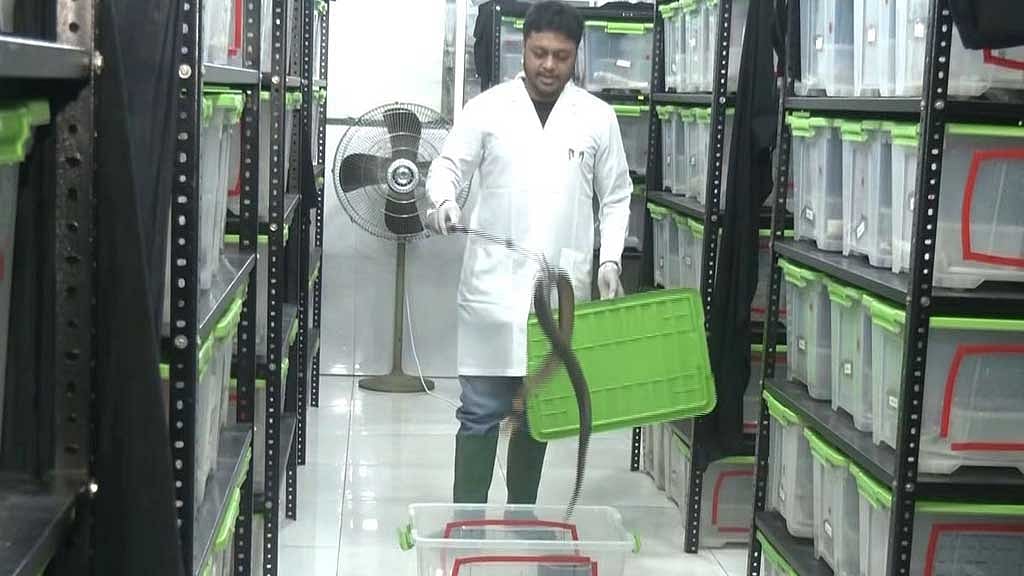
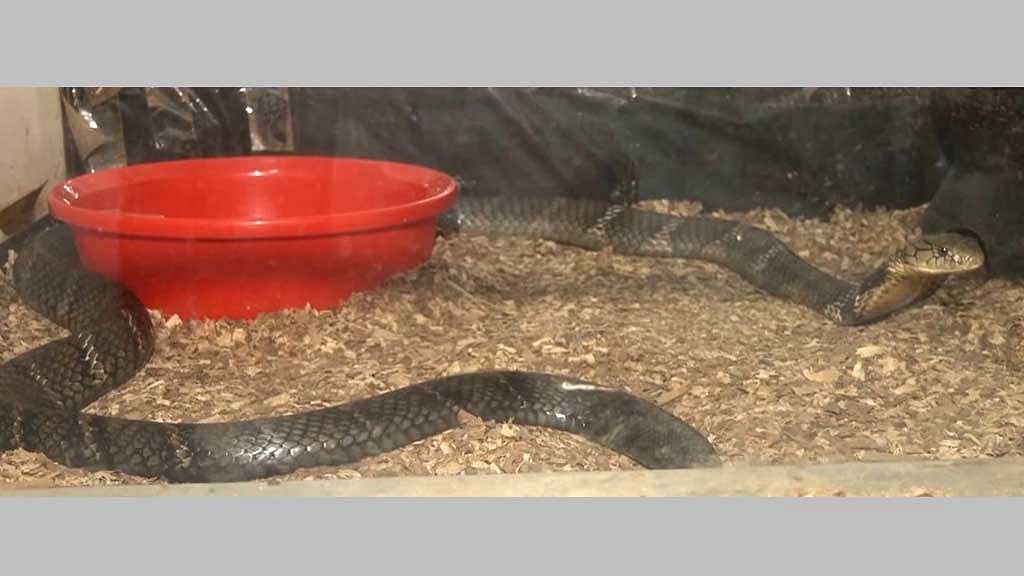
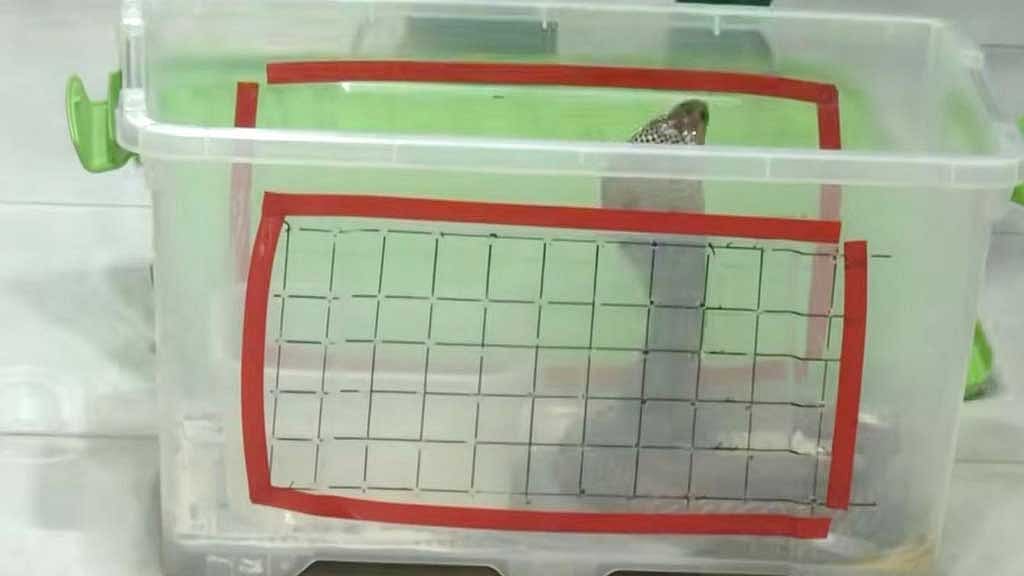
Today, the centre houses 370 snakes from 11 species, including Russell’s vipers, pit vipers, green pit vipers, monocled cobras, spectacled cobras, kraits and banded kraits.
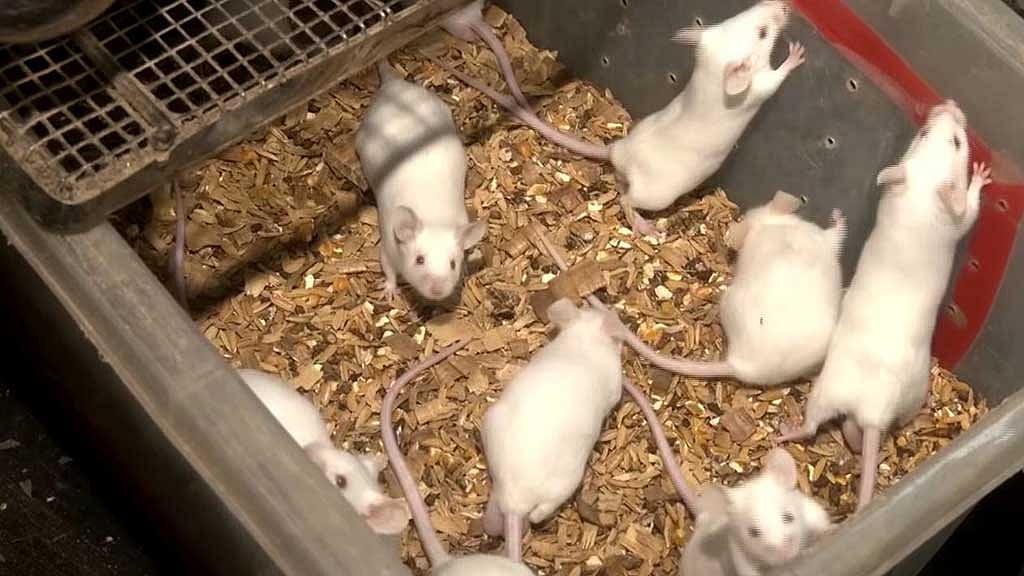
The snakes need to be fed with rats bred on site; at full capacity, they consume around 3,000 rats a month. With money running short, the rats’ feed and care have become difficult to maintain, and the snakes’ food rations have been cut.
Abdullah Abu Sayeed, the centre’s coordinator and an assistant professor in Chattogram Medical College’s Department of Medicine, told bdnews24.com that funding requests had gone unanswered.
“After the project ended in June 2024, we applied to the government for an allocation.
“We later prepared a development project proposal and submitted it to the Directorate General of Health Services. It went through the planning ministry and the finance ministry and is now at the health ministry. It seems to have become bogged down in red tape.”
He said no government official had checked on the centre during the past two and a half years.
“It is deeply disappointing that, all this time, not only has there been no help or support, but not a single government official has even called to ask how this centre is running.
“Yet we have approached everyone concerned during this period. We even went to the health advisor during the interim government. Whoever we approach, they all offer assurances.”
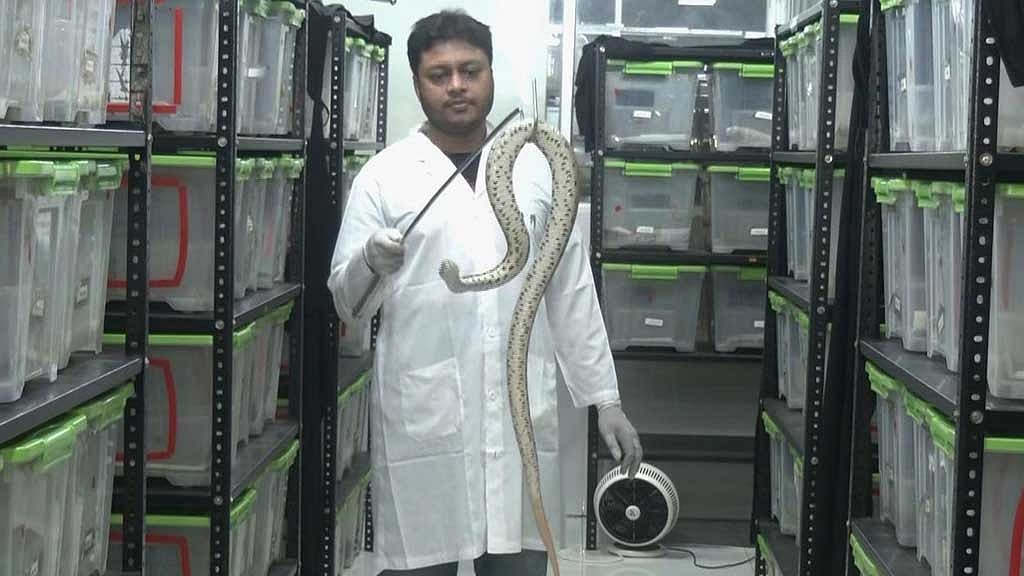
The centre has been kept alive largely through personal efforts, he said, at a monthly cost of Tk 450,000 to Tk 500,000.
“We need 3,000 rats every month alone. Their feed costs Tk 100,000. Including staff salaries and other expenses, the monthly cost comes to Tk 450,000 to Tk 500,000.
“Since the funding stopped, we have spent more than Tk 10 million. We have covered the costs with a few small donations and borrowed money for most of the rest. I do not know how much longer we can keep the centre going like this.”
Research Advances, then Stalls
After eight and a half years of work, researchers say they have made progress towards producing a monovalent antivenom specifically for Russell’s vipers, a species that has drawn growing attention in Bangladesh.
Venom collected from the snakes was processed and successfully administered to chickens and rats.
Researchers also succeeded in generating antibodies in the animals. A report on the trials, together with plans for the next stages needed to develop the antivenom, has been submitted to the ministry.
“The report, including the research plan for the next phase, was submitted to the Integrated Health Wing of the ministry. We have heard nothing since. So the next stage of work has stalled,” Abu Sayeed said.
“After that, producing antivenom is a pharmaceutical process. If the antibodies work, antivenom will be produced by a pharmaceutical company. The government has to take the initiative.”
Since its establishment, the centre’s researchers have published 11 papers in international journals on local snakes and their venom.
The research has examined newly identified snake species in Bangladesh, the geographic distribution and genetic diversity of venomous snakes, the composition of cobra and green pit viper venom, regional genetic and protein differences among cobras, habitat shifts linked to climate change, sea-snake bites, treatment for envenoming and parasite infections in captive snakes.
But funding shortages have now halted almost all laboratory tests, data analysis and clinical-trial work. The centre is doing little more than keeping the snakes and a minimum number of rats alive.
Assistant researcher Abdul Awal said feeding had been reduced sharply.
“The snakes used to be fed every week. Now they are fed every two or three weeks. The amount of food has also been reduced. They are given only as much as they need to survive.”
Abu Sayeed said releasing the snakes was not a realistic option.
“We cannot simply kill so many snakes. Nor can we release venomous snakes into forests and jungles. They have been kept in captivity for so long that, even if released, they would not be able to find food normally in the wild.”
The centre has collected and stored about 1.7kg of venom from different species, he said.
“The venom was collected gradually for use in different stages of research. Such a quantity of venom is extremely rare and valuable.
“We do not know what will happen to this venom. It is a state asset.”
Aniruddha Ghosh Joy, the centre’s principal investigator, told bdnews24.com that approval of the project proposal was now essential.
“The development project proposal has been prepared and submitted. It has passed through different ministries and is now at the health ministry.
“If it is approved, the venom research centre will operate as a government initiative. Then the funding crisis will no longer be an issue. But this needs to happen quickly.”