
Published : 28 Sep 2026, 12:16 PM
Updated : 28 Sep 2026, 12:16 PM


An unhappy relationship can affect far more than emotional wellbeing, according to relationship researchers and therapists, with studies linking persistent conflict to poor sleep, physical health problems and even a shorter lifespan.
Experts say poor-quality close relationships are considered a health risk factor comparable with, or greater than, smoking and physical inactivity, the BBC reports. Yet a growing body of research suggests many struggling relationships can recover if partners are willing to make changes.
Why Couples Argue
One of the most striking findings is that couples often continue arguing about the same issues for years.
Psychologists refer to these recurring disputes as “perpetual” or “gridlocked” problems.
“Those gridlocked issues could be about finances, parenting, their sex lives, how they negotiate power in the relationship,” says Carrie Cole, a psychologist and director of research at The Gottman Institute for couples therapy in Seattle.
But they can also involve seemingly minor issues such as neatness.
Research led by psychologist John Gottman found that 69 percent of couples were still arguing about the same types of issues four years after an initial assessment.
Studies have also shown that disputes over money are among the most persistent and heated, while unequal household chores can increase the risk of divorce.
But disagreement itself is not necessarily a bad sign. It can be a natural part of learning to understand and respond to each other’s needs. Both happy and unhappy couples argue.
The crucial difference, research suggests, is how couples behave towards each other – both during arguments and outside them.
Four Behaviours That Can 'Kill a Relationship'
Cole identifies four behaviours that research suggests can signal that a relationship is heading towards a break-up: criticism, contempt, defensiveness and stonewalling, which means withdrawing from a conflict by refusing to engage.
“Those four behaviours will kill a relationship,” Cole says. But, she adds, “they are fixable, if the couple wants to fix them.”
Persistent criticism from a partner can also significantly predict an earlier death, separate research has found.
Arguments involving these behaviours, as well as aggression and hostility, are considered destructive and can ultimately increase the risk of divorce.
Constructive arguments, by contrast, focus on resolving issues together with respect, curiosity and kindness, and can strengthen a relationship.
One key factor is responsiveness – the feeling that a partner listens, supports and understands you.
Experiencing a partner as responsive is associated not only with greater marital satisfaction, but can also buffer inflammation and improve physical health and longevity.
Kindness and cooperation can build long-term goodwill, too. A 20-year study of married couples found that shared decision-making and an equal division of housework were associated with greater marital happiness and lower conflict.
The way couples argue may even affect their sleep. Research has found that destructive arguments are associated with poor sleep, while constructive ones are associated with better sleep.
Rebuilding Empathy
Therapists say couples therapy can help reverse damaging patterns.
Research suggests therapy has a positive impact on around 70 percent of couples, improving relationship satisfaction, emotional intimacy and, in some cases, individual physical and mental health.
“Empathy has been eaten away from most couples who get to the point of therapy,” says Jay Lebow, a couples therapist and clinical professor of psychology at the Family Institute at Northwestern University in Evanston, Illinois.
Lebow, who co-authored a wide-ranging review that found couples therapy to be effective, says one of the challenges in therapy is rebuilding that empathy.

There are several signs that therapy is working, he says.
“One of them is [clients improving their] speaking and listening. That sounds easy enough, but when you’re in a distressed relationship, it becomes very hard to listen,” he says.
Working on a relationship also means “being able to take that step back and ask the question, what’s going on between us, rather than, what are the problems I have with my partner?” he says.
'Tell Me More'
Cole says there are two specific signs in her sessions with couples that give her hope that they will make it through their problems.
One is when a partner tells the other: “I can see why you would feel that way.”
To Cole, that indicates what she calls “accepting influence” -- being able to take in the other person’s perspective as valid, even when it differs from one’s own.
The other tell-tale sign is curiosity about each other.
“If there is [curiosity], there is some hope there,” she says.
Even when they disagree, partners may say something like: “Tell me more about that, how did you come to believe that?”
“If people work on their problems, the evidence is pretty strong that you get good outcomes,” Lebow says.
Sharing Dreams
Understanding each other’s dreams and goals can also help couples resolve gridlocked conflicts, Cole says.
She gives the example of a couple who sought therapy because of recurring arguments over money.
Both had grown up in poverty, but the experience had shaped them in very different ways.
The wife focused on financial security and independence through saving and careful budgeting. The husband wanted to spend his hard-earned money on nice things and enjoy the feeling of fitting in with society rather than being cut off by poverty.
That difference led to endless arguments over spending.
“They fought about those things all the time. And they never got down to the reason they were fighting,” Cole says.
In therapy, they listened to each other describe their painful experiences of growing up poor and how those experiences had shaped their goals in life.
They learned to compromise, agreeing on how much money to save and how much they could spend freely.
“They did work it out. But they had to understand what was so important to each one of them, before they could be open to accepting influence from each other and working towards a compromise that included both of their dreams,” Cole says.
Lebow also stresses the importance of motivation.
“The motivation of clients matters a lot,” he says. “You could have the best couple therapist in the world, with the least motivated people, and the outcome is unlikely to be good. You could have the best motivated clients with the worst couple therapist; you still might do OK. That makes a big difference.”
Breaking up Better
Even couples who are separating may benefit from couples therapy, Lebow says.
It can help them cope with the separation itself and its potential impact on mental health. It may also make the process less hostile and help separated parents support their children’s mental health.
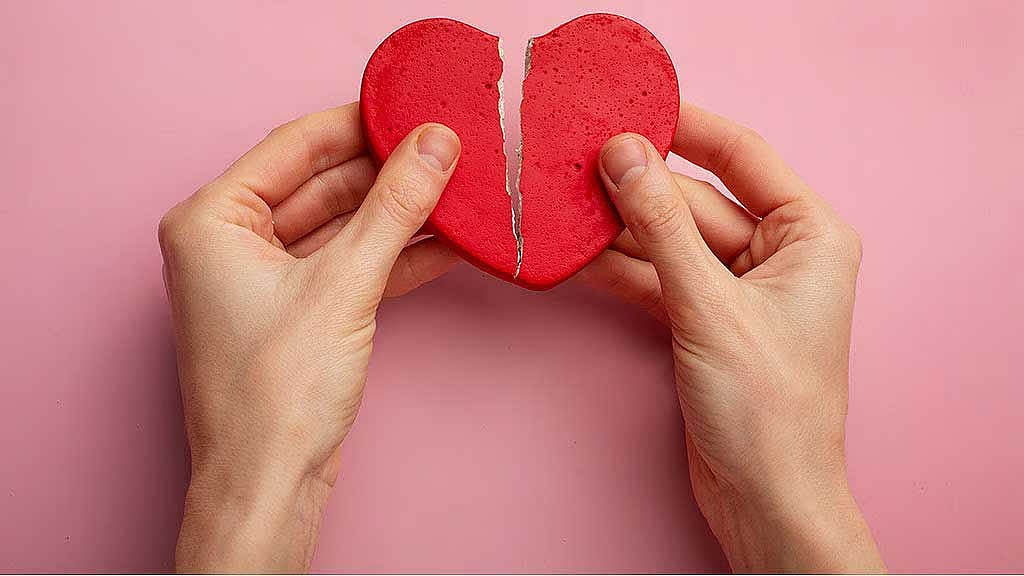
A break-up or divorce can be incredibly painful, but Lebow says such moments can also offer opportunities for self-understanding.
“These are moments when you can really learn something about yourself,” he says. “It’s a moment where lots of people learn things that are very valuable to them and the rest of their lives.”
And working on skills such as listening and empathy is not only useful for distressed couples.
“Even people in good relationships can improve their relationship,” Lebow says.