Published : 25 Aug 2018, 12:13 AM
Updated : 08 Apr 2022, 03:16 PM


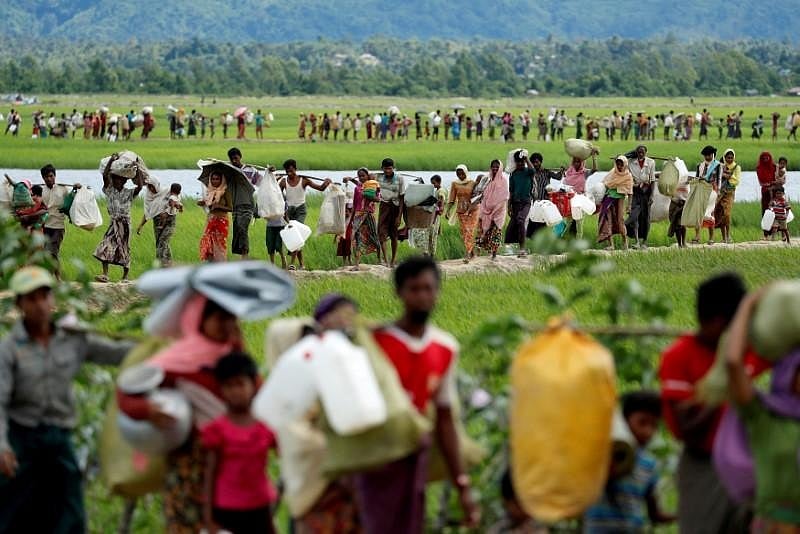
In a statement on the “shameful anniversary” of the Rohingya exodus into Bangladesh on Friday, the London-based human rights group said it documented “extensively” how the military offensive amounted to ethnic cleansing.
It included targeted burning of Rohingya villages, the use of landmines and the commission of crimes against humanity including murder, rape, torture, forced starvation and forced deportation as well as other serious human rights violations against the Rohingyas, according to the statement.
“This anniversary marks a shameful milestone,” Tirana Hassan, Crisis Response Director at Amnesty International, said.
“By its continued failure to hold to account those responsible for crimes against humanity, the international community risks sending the message that Myanmar’s military will not only enjoy impunity but will be allowed to commit such atrocities again. We must not let this happen,” she said.
A year on, hundreds of thousands of Rohingya women, men, and children who fled the “highly orchestrated” attack are still in limbo in refugee camps in Bangladesh, Hassan said.
“As long as their tormentors in Myanmar’s security forces remain at large, any notion that Rohingya refugees can have a safe, dignified and voluntary return home is farcical,” she said.
The Amnesty International also expressed concern over conditions in Rakhine and said serious reforms are needed in the state for any future repatriation to be viable.
“Having Rohingya refugees return from overcrowded camps in Bangladesh to what has been essentially an open-air prison in Rakhine State is not a viable option,” Hassan said.
“States around the world must push for Myanmar to dismantle its system of apartheid and allow Rohingya and all other ethnic minorities to enjoy their rights to nationality and freedom of movement,” she added.
The organisation said the upcoming report of the UN Fact-Finding Mission on Myanmar will be an important addition to the existing mountain of evidence that crimes under international law were committed against the Rohingya.
“Lack of political will, not a lack of evidence, is at the root of the international community’s inaction. It is undeniable that Myanmar’s security forces committed crimes against humanity against the Rohingya. But while the international community drags its feet deciding what to do about it, vital evidence risks disappearing or being destroyed,” Hassan said.
In its June 2018 report, ‘We Will Destroy Everything’, Amnesty International named 13 individuals – including Myanmar’s Commander-in-Chief, Senior General Min Aung Hlaing – who played key roles in the atrocities against the Rohingya.
The organisation recommended concrete steps to hold them and others accountable – including a UN Security Council referral of the situation to the International Criminal Court and the establishment of an international mechanism to collect and preserve evidence for use in future criminal proceedings.
“While the European Union, Canada and the United States have announced targeted sanctions against some of the alleged perpetrators in recent months, much more needs to be done urgently at the UN to ensure accountability,” Amnesty said in the statement.
When the UN Human Rights Council and General Assembly meet next month, “strong, decisive” action is needed to pave the way for justice for the Rohingyas, Hassan said.
“The UN Security Council must urgently refer the situation to the International Criminal Court – the threat of veto power is no excuse for inaction. This critical opportunity cannot be missed,” she added.