


Published : 01 Oct 2017, 02:37 AM
Updated : 19 Oct 2022, 03:48 PM



Also Read:
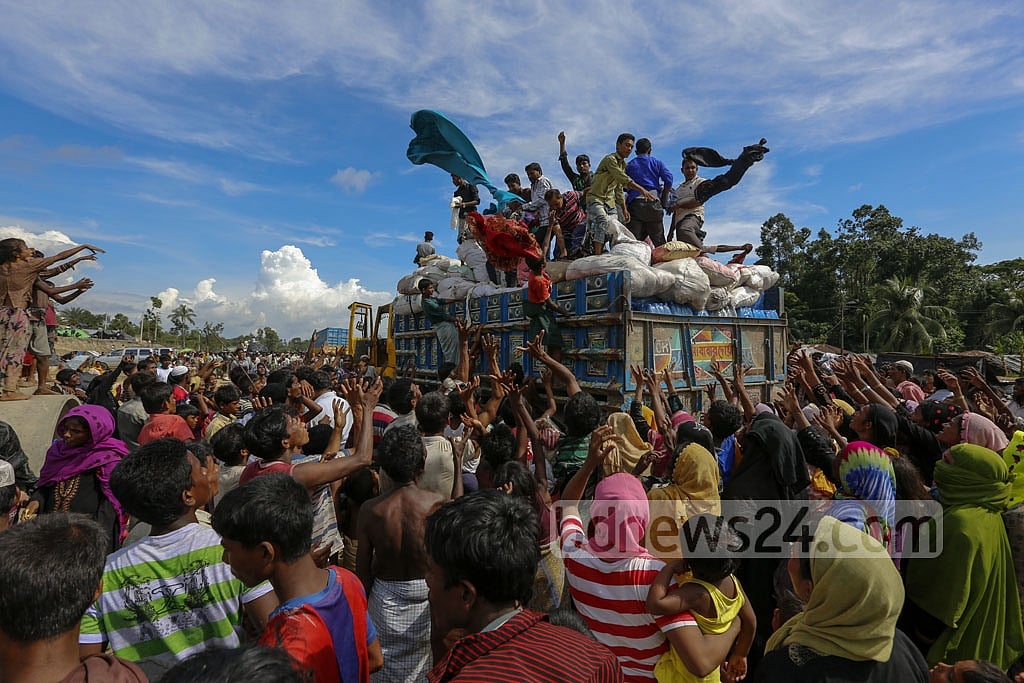
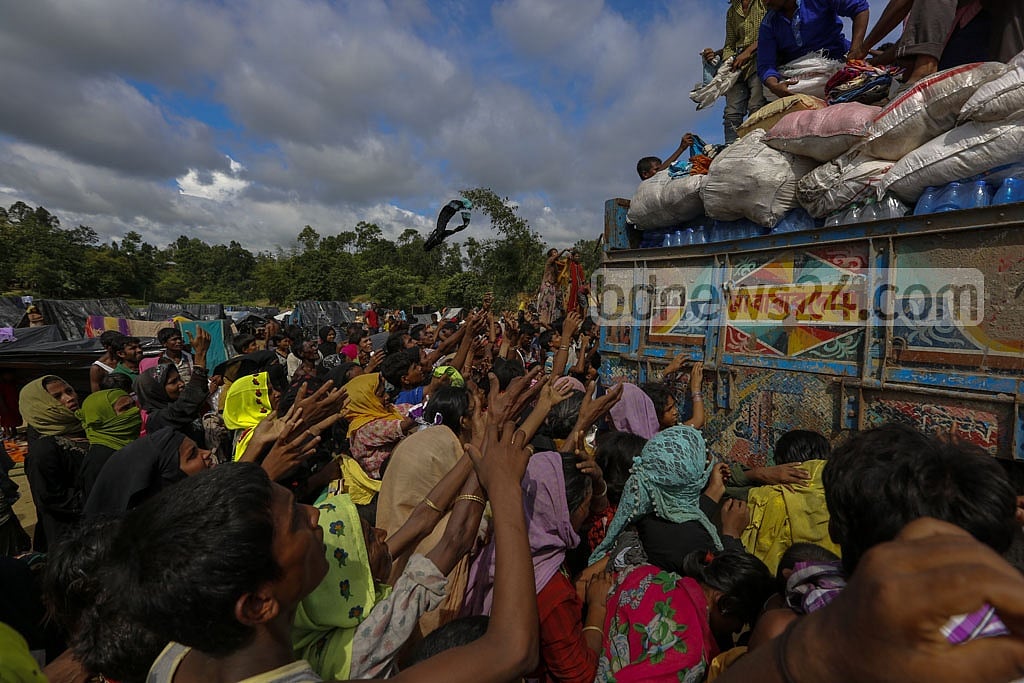
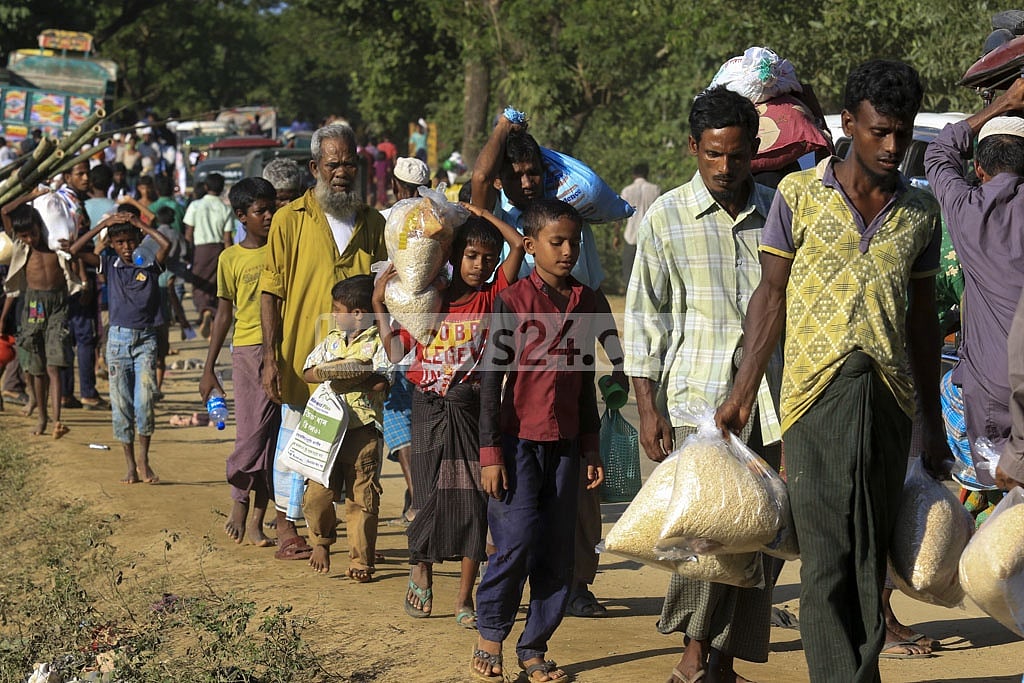
Desperate for reliefAccording to the UN office in Dhaka, the scale of the emergency has now surpassed its initial projections.
As of Sept 29, the plan has received $36.4 million, or 47 percent, of the funding requirements for the coordinated response.
The initial response plan, launched on Sept 7, sought $77 million to assist 300,000 people.
But the demand grew by this time as the number of refugees rose to half a million.
“Humanitarian partners are now revising the initial plan to account for the massive additional needs,” the UN office said.
Meanwhile, UN humanitarian chief Mark Lowcock and UNICEF Executive Director Anthony Lake will be visiting Bangladesh from Oct 2 to Oct 4 to see, first-hand, the devastating humanitarian situation of the Rohingya refugees.
UN Resident Coordinator Robert Watkins has called a media briefing on Monday in Dhaka.
This is the largest mass refugee movement in the region in decades.
The UN migration agency, IOM, and partner aid agencies said they are “struggling” to provide clean water and sanitation.
Tens of thousands of the new arrivals are still living in the open with little or no shelter, food or access to healthcare.
Daily rain has flooded campsites and left pools of water, many of them contaminated with faecal matter, the IOM said on Saturday.
For many of the refugees, they are the only accessible water source but pose a lethal threat of waterborne diseases like cholera.
The Inter-Sector Coordination Group (ISCG), which is coordinating the emergency response and is hosted by IOM, says that approximately 59 million litres of safe water are now needed every day to meet the basic needs of the new arrivals.
Some 18,000 more emergency latrines are needed to provide access to basic emergency sanitation for all the new arrivals.
Since Aug 25, agencies have been able to reach only 141,070 people in Cox’s Bazar district with water, sanitation and hygiene assistance.













