


Published : 09 Jul 2020, 08:35 PM
Updated : 08 Apr 2022, 02:36 AM


The bill, approved by the cabinet, avoids the term “marriage” but allows for the legal registration of same-sex partnerships. Accompanying amendments to the civil code would give couples the right to jointly own property, adopt children and pass on inheritances. Civil partnerships must occur between individuals who are at least 17 years old. At least one of the pair must be a Thai citizen.
“The Civil Partnership Bill is a milestone for Thai society in promoting equality among people of all genders,” said Ratchada Dhnadirek, a deputy government spokeswoman. “This strengthens the families of people with sexual diversity and is appropriate for the present social circumstances.”
While the bill still needs to be passed by Parliament to become law, social activists say that the biggest hurdle was approval by Thailand’s cabinet, which is a stronghold of retired military generals and tradition-bound political elders.
Although some elements of the Buddhist-dominated culture in Thailand are socially conservative, the country is also one of the most open places in the world for LGBTQ people.
Thai surgeons have been pioneers in gender-reassignment surgery, and schools in rural Thailand have provided separate bathrooms for transgender students. Hit soap operas chronicle gay relationships. And four transgender people were elected to Parliament last year.
Yet discrimination persists, with gay and transgender individuals often encouraged to enter certain fields like entertainment or fashion. Rights activists say that the welcoming attitude toward gay tourists may not be as pervasive toward Thais themselves.
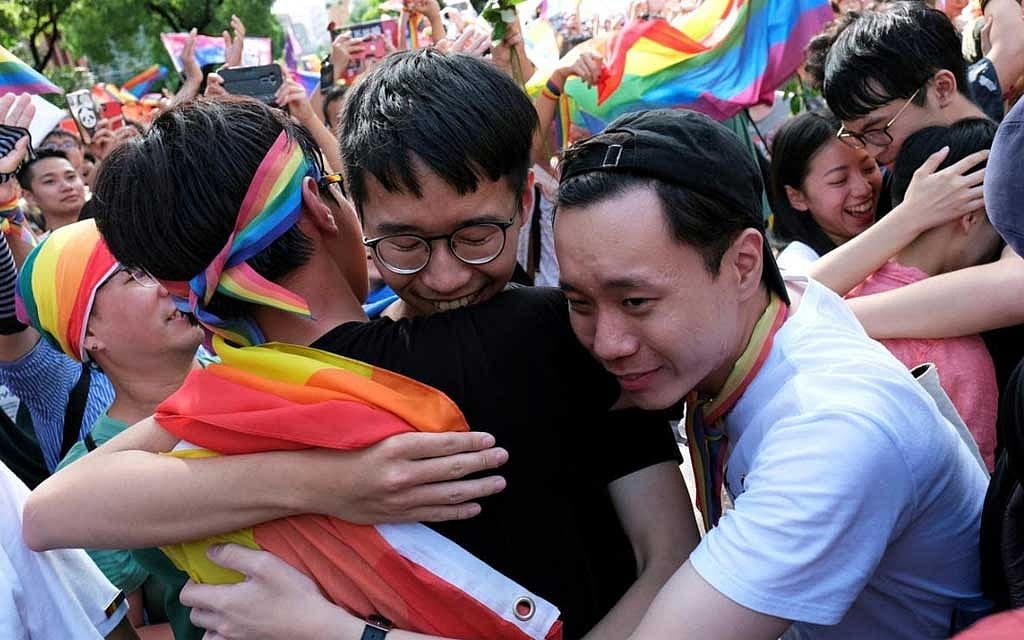
If the civil partnership bill is approved by Parliament, Thailand will join Taiwan as the only places in Asia that provide elements of legal equality for same-sex couples. Taiwan’s legislature passed a same-sex marriage law last year.
The Thai bill is not as expansive as that of Taiwan. Same-sex couples in Thailand will not be able to enjoy certain tax breaks. And critics of the bill say that calling such unions civil partnerships, rather than marriage, is a cop out.
© 2020 The New York Times Company













