


Published : 29 Feb 2020, 12:35 PM
Updated : 17 Oct 2022, 11:03 AM


The Thai taxi driver got stuck in traffic because that’s what often happens in Bangkok. To pass the time, the woman took out her phone and, leaning forward, pointed out some tourist sites she might want to visit.
Then she sneezed, the spray showering the cabbie’s face.
“I thought, she’s pretty but she doesn’t have any manners,” said Thongsuk Thongrat, the taxi driver.
About a week later, Thongsuk, 50, tested positive for the coronavirus that has been spreading across the globe from China and has infected at least 41 people in Thailand.
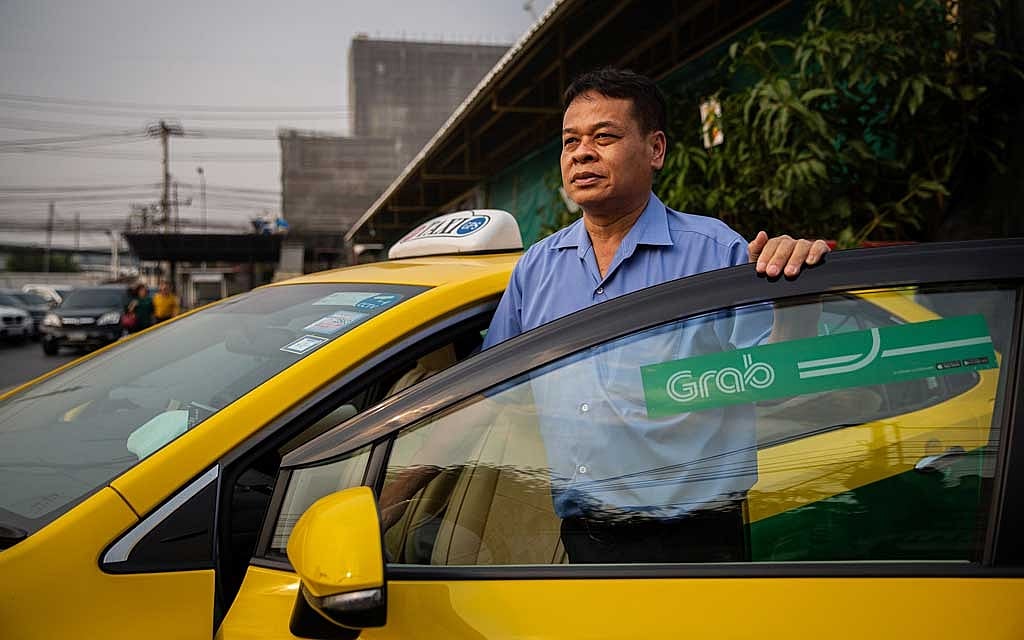
Taxi driver Thongsuk Thongrat, who was quarantined after testing positive in January for the coronavirus, in Bangkok, Feb 25, 2020. The New York Times
Two other drivers have been infected with the coronavirus in Thailand, with the most recent case confirmed on Monday.
In Taiwan, a taxi driver who had often picked up passengers from mainland China and Hong Kong died of the coronavirus earlier this month.
In Japan, a tour bus driver who had ferried visitors from Wuhan, the central Chinese city where the outbreak is believed to have originated, contracted the virus last month. The guide on the same bus came down with the virus as well.
A Japanese taxi driver tested positive after she is believed to have had contact with someone from the Diamond Princess, the cruise ship that docked in Japan and became a viral hot spot. And the mother-in-law of another Japanese taxi driver died of the virus, the first such death recorded in Japan.
In Singapore, two cabbies and two ride-hailing service drivers were also infected.
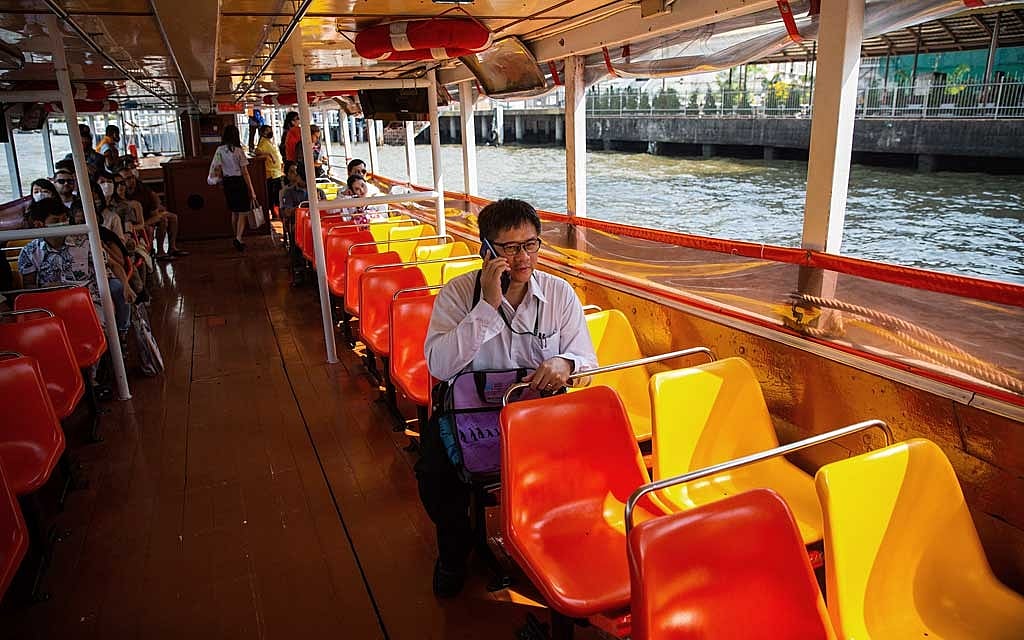
A nearly empty sightseeing boat on the Chao Phraya in Bangkok, Feb 24, 2020. The New York Times
“Most of the Chinese I drove were nice,” he said. “I miss them.”
On good days, he could make around $30 in profits, Thongsuk said. Now, he’s lucky if he can bring home $10 a day.
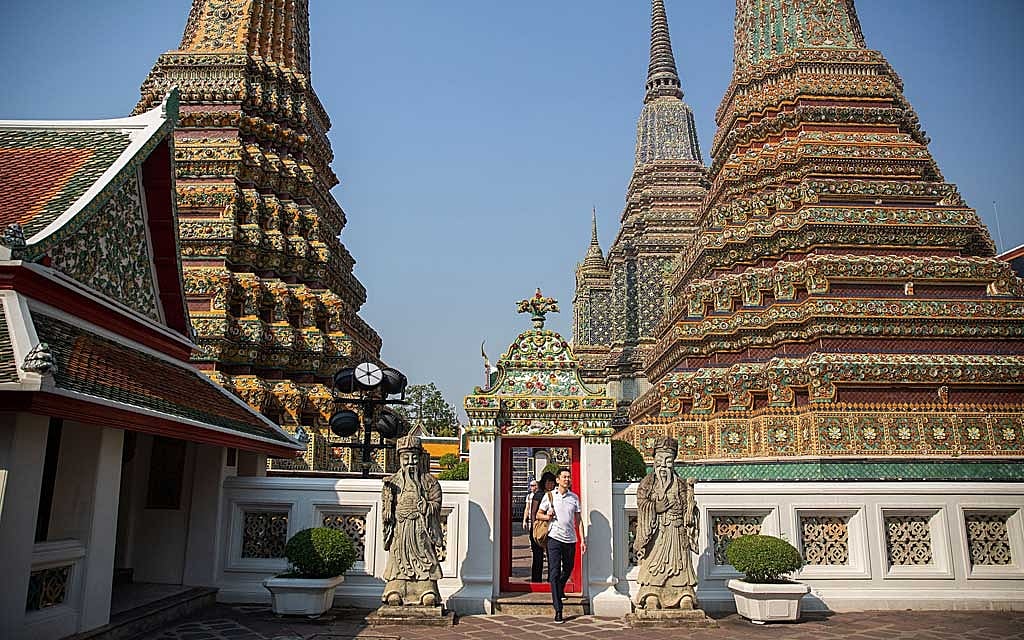
Many of Bangkok’s gilded Buddhist sites, once packed with tourists, are empty. Markets accustomed to selling tropical fruits and dried seafood to Chinese customers are hurting, too. Hotel occupancy has nose-dived.
Thongsuk grew up in Thailand’s northeast, the country’s rice basket. He farmed until a drought withered his paddies and a friend returned from Bangkok with tales of money made driving foreigners to palaces, temples and go-go bars.
Later, he drove a fuel truck, which paid less money but offered a more stable income.
Five months ago, with tourism booming, Thongsuk decided to go back into the taxi business, sharing a green and yellow cab with a friend.
“I must have bad karma to have gotten sick so soon after I began driving again,” said Thongsuk, a Buddhist, like most Thais.
About 10% of Thailand’s gross domestic product derives from tourism, and Chinese people are by far the biggest group of visitors. Thailand is one of relatively few countries Chinese tourists can visit without a visa. More than 1 million visited Thailand last month, before the epidemic fully hit.
“I didn’t think to protect myself when I picked up tourists because I thought the government screened them before they came into the country,” Thongsuk said.
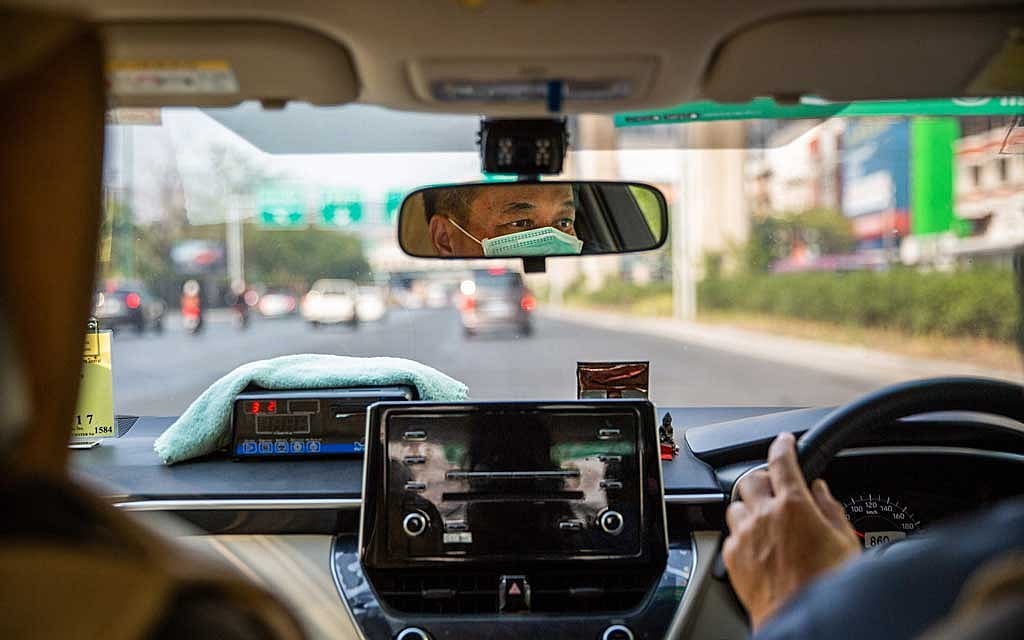
Thongsuk Thongrat, who was quarantined after testing positive in January for the coronavirus, drives his taxi in Bangkok, Feb 25, 2020.
Their 8-year-old grandson, who had not been to Japan, has also come down with the virus.
Because the man initially withheld information about his travels to Japan, 30 hospital workers in Bangkok who were exposed to him are now under quarantine themselves, the Ministry of Public Health said, burdening a medical system that could soon be fielding more cases.
Thongsuk said that as soon as he became ill, he made sure to wear a mask, despite not knowing that he had been infected with the coronavirus. In a culture where food is shared at the table and sometimes eaten by hand, Thongsuk ate his meals separately rather than risk infecting his family with what he thought was the flu, he said.
None of his relatives contracted the virus from him. Thailand’s public health minister, Anutin Charnvirakul, who checked in with Thongsuk twice in the hospital, praised him for his health habits.
On Wednesday, the health minister had a sterner message for Thais who took advantage of inexpensive flights offered by desperate regional airlines.
Having officially declared the coronavirus a dangerous communicable disease, Thailand is now ordering anyone who has visited what it considers a high-risk place — such as China, Japan, South Korea, Singapore or Italy — to undergo a 14-day quarantine.
“Even though tickets are cheap,” Anutin said, “it could be your last holiday.”
© 2020 New York Times News Service













