


Published : 03 Apr 2022, 04:19 PM
Updated : 21 Oct 2022, 03:40 PM


Mawlawi Abdul Salam Hanafi, the prime minister’s administrative deputy, read the official decree to local and international media during a news conference at the Ministry of Interior. High-ranking Taliban officials, including the acting interior minister, Sirajuddin Haqqani, were present.
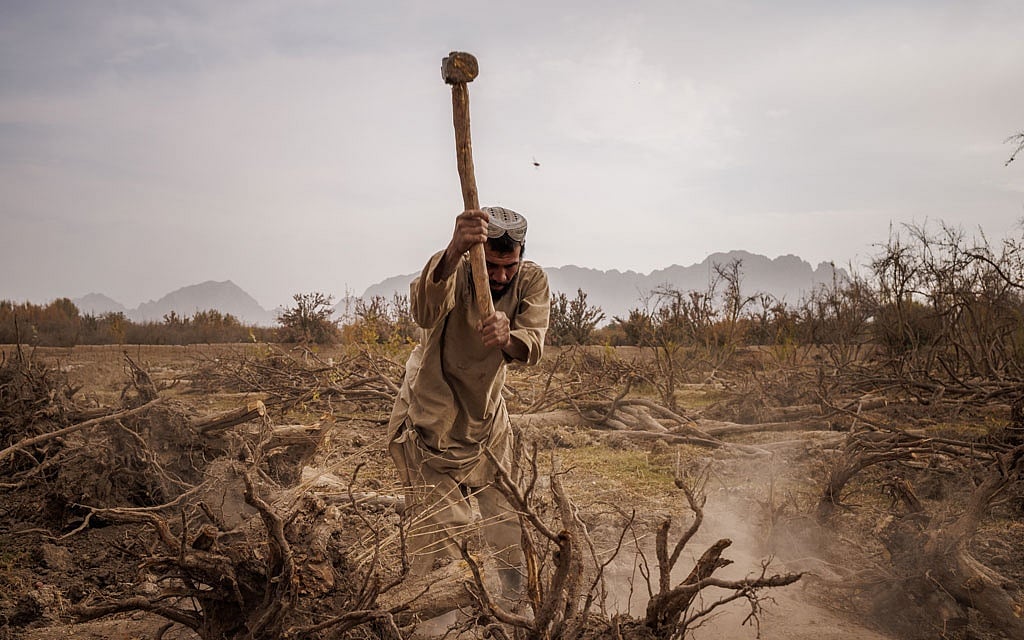
“All compatriots are informed from the date of the issuance of this decree, poppy cultivation is absolutely prohibited in the whole country and no one can try to cultivate the plant,” said the decree, issued by the Taliban’s leader, Haibatullah Akhundzada. “If someone violates this, his cultivation will be destroyed and the violator will be dealt with according to Islamic Law.”
The Taliban’s decision to ban opium poppy in Afghanistan, which accounts for about 80% of the world’s supply of opium, comes as the group is under increasing international pressure after a series of decrees targeting women, including their ability to attend secondary school.
The decree issued Sunday also banned the use, sale, transfer, purchase, import and export of wine, heroin and other drugs.
After the Taliban toppled the Western-backed government in August, the insurgents turned rulers indicated a desire to ban the production of opium but said shortly after that there were no plans to stop or eradicate cultivation, acknowledging that Afghans were in the middle of an economic crisis.
Many farmers had planned for some kind of ban after the Taliban’s return to power and knew that growing the crop — which can be stored for some time after harvesting — would be a good investment as supply dwindled and prices rose. The Taliban’s announcement Sunday came during the poppy harvest.
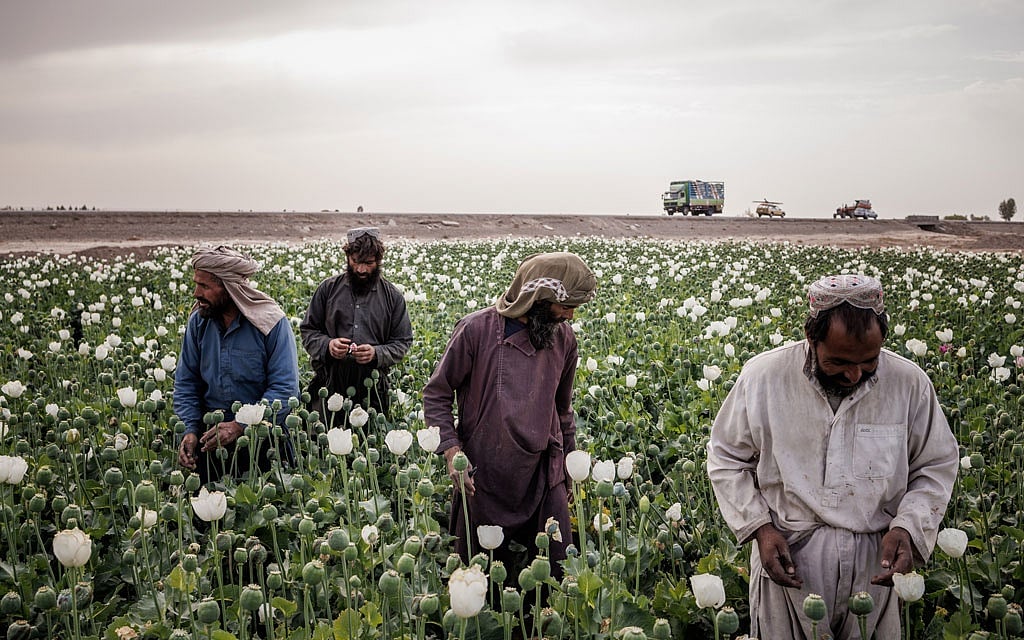
In Kandahar province, white flowering poppy fields lined Highway 1, which cuts through the region. The crop is mixed in with wheat and grapes. The harvest is underway, with teams of workers slicing the bulbs and scraping the milky resin that will eventually be opium. Almost every farmer seems to have dedicated a portion of their plots to the crop.
Poppy farmers in the area, which is considered the Taliban’s birthplace, said Sunday that they were unaware of any type of ban.
The Taliban have had a complicated relationship with the crop. During their first time in power, the group made several halfhearted attempts to restrict opium before banning its cultivation on religious grounds in the late 1990s and in 2000. But after they were toppled following the U.S. invasion in 2001, the Taliban turned to the crop for funding, using the profits to fuel their war machine for two decades.
©2022 The New York Times Company













