Published : 28 Nov 2026, 01:00 AM
Updated : 28 Nov 2026, 01:00 AM


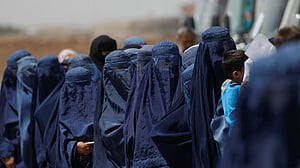
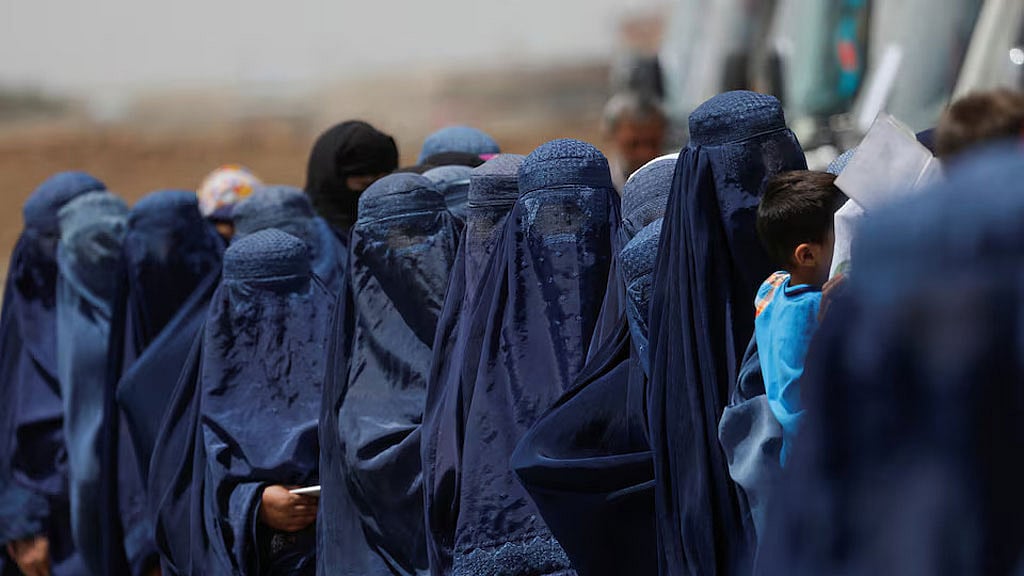
The Taliban have banned the use of women's names in official documents in Afghanistan's northern Balkh province, with female patients reportedly being identified by terms such as “Bibi”, “goat” and “cow”, according to El País.
The directive applies to medical prescriptions and hospital records, while public employees and healthcare workers have been told not to use women's names when addressing them.
Afghan activist Lalah Osmany described the practice as “a systematic process of dehumanisation”.
“The first step to dehumanising a person is to take away their name,” she told El País.
Osmany warned that the practice could also have serious consequences for healthcare, as filing prescriptions and medical records for different women under the same name could lead to errors.
She launched the “Where is my name?” campaign in 2017, calling for women's names to be included in official records, including their children's birth certificates.
The campaign helped secure a change in September 2020 allowing mothers' names to be added voluntarily.
But the Taliban's return to power in 2021 brought sweeping restrictions on women's education, employment and public life, El País reports.
Zubaida Akbar, director of the Afghanistan programme at US-based NGO Femena, fears the provincial order could become a nationwide ban.
She told the newspaper that the Taliban have previously expanded local restrictions into broader edicts.
Afghan journalist Khadija Amín, now living in exile in Spain, was unable to file a complaint with German police over access to her children because their birth certificates did not identify her as their mother.
“Calling a woman by her real name in Afghanistan is an act of resistance,” Osmany told El País.
The restrictions risk making it harder for Afghan women to claim their rights and access essential services.