


Published : 28 Dec 2017, 01:19 PM
Updated : 19 Oct 2022, 03:53 PM


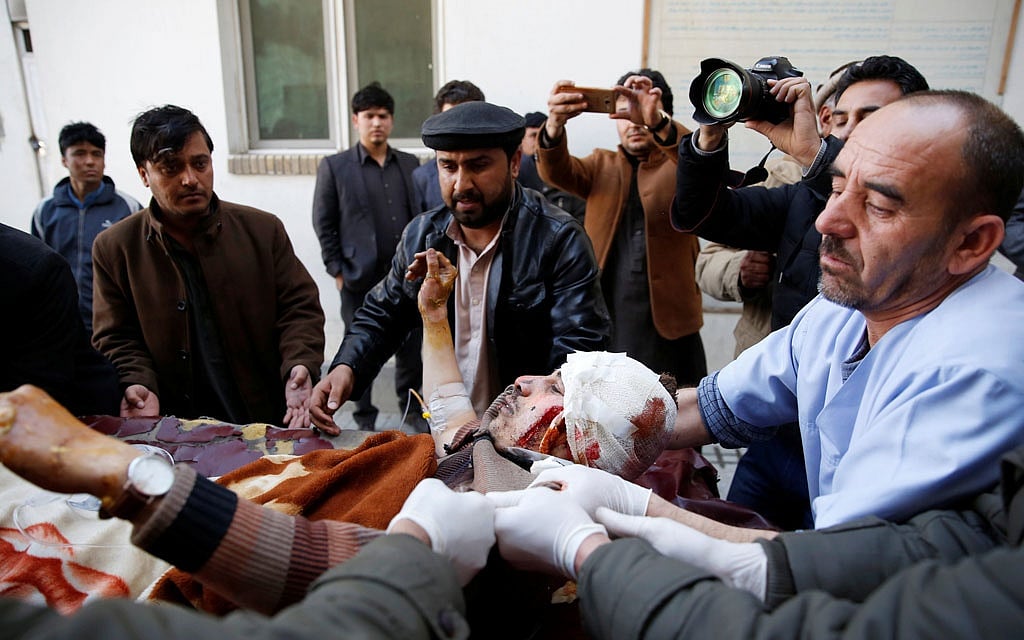
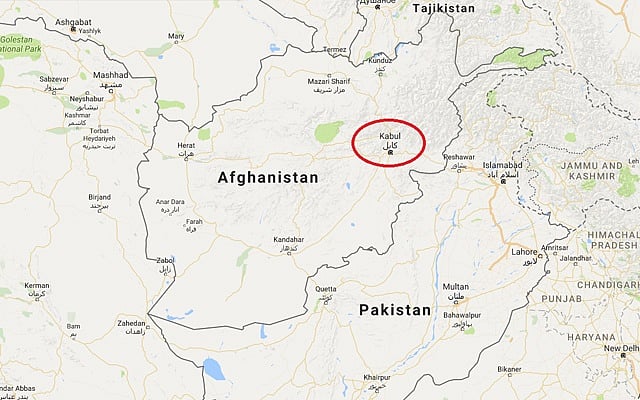
Interior Ministry deputy spokesman Nasrat Rahimi said at least 40 people had been killed and 30 wounded in the blast, the latest in a series to have hit media organisations in Kabul.
The attack occurred during a morning panel discussion on the 38th anniversary of the Soviet invasion of Sunni-majority Afghanistan at the Tabian Social and Cultural Centre, with many of those attending students, witnesses said.
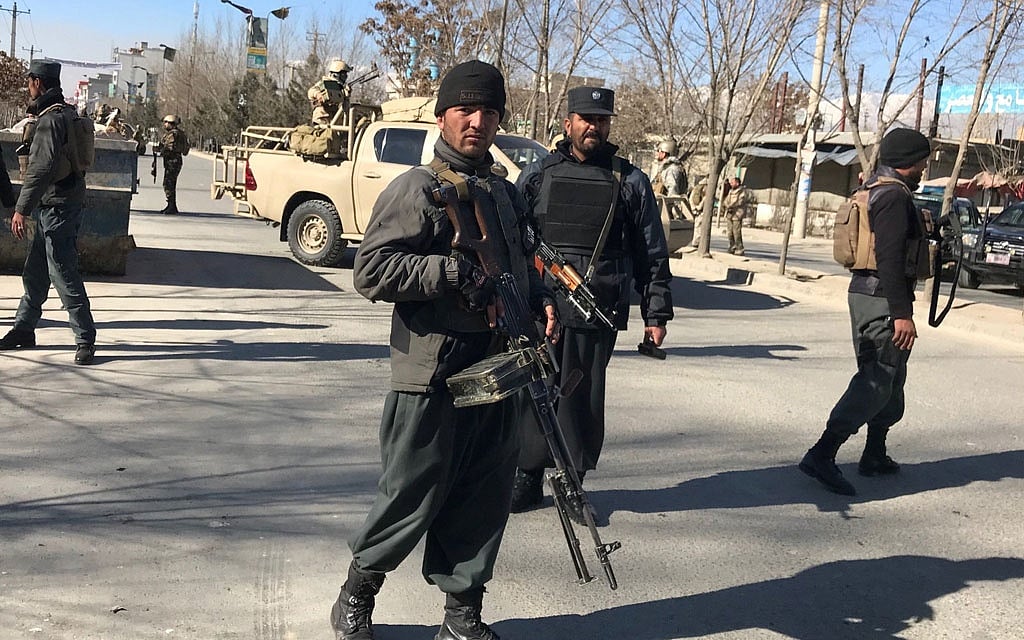
Afghan policemen stand guard at the site of a blast in Kabul, Afghanistan December 28, 2017. Reuters
Photographs sent by witnesses showed what appeared to be serious damage at the site, in a heavily Shi'ite Muslim area in the west of the capital, and a number of dead and wounded on the ground.
Deputy Health Minister Feda Mohammad Paikan said 35 bodies had been brought into the nearby Istiqlal hospital. Television pictures showed many of the injured suffered serious burns.
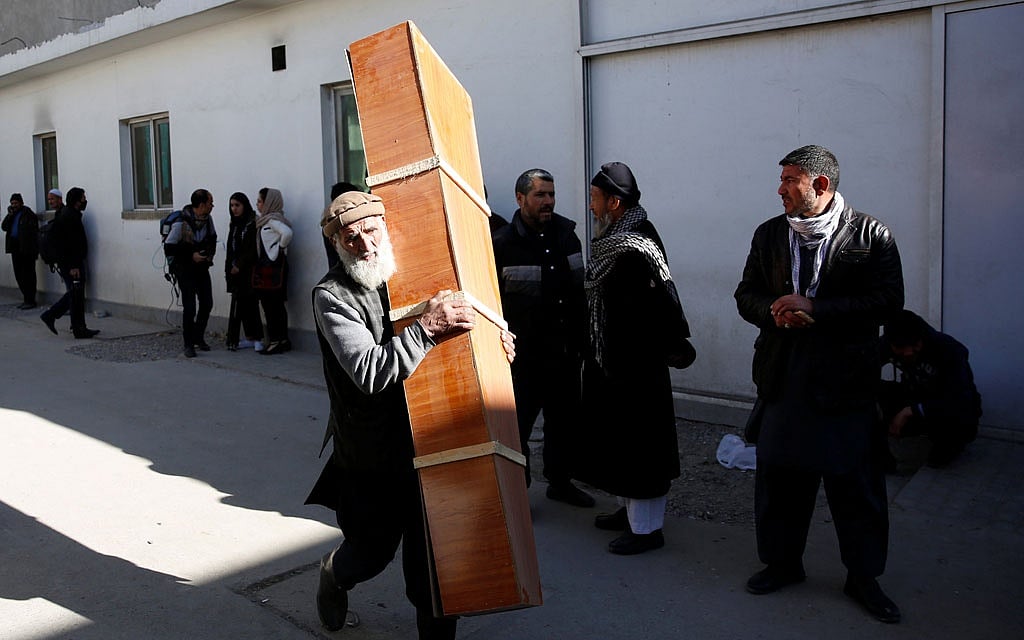
An Afghan man carries an empty coffin inside a hospital compound after a suicide attack in Kabul, Afghanistan December 28, 2017.
Afghan Voice has Shia links but there was no immediate claim of responsibility. Taliban spokesman Zabihullah Mujahid issued statement on Twitter denying involvement.
The attack, the latest in a series to hit Afghan media groups in recent years, follows an attack on a private television station in Kabul last month.
Backed by the heaviest US air strikes since the height of the international combat mission in Afghanistan, Afghan forces have forced the Taliban back in many areas and prevented any major urban centre from falling into the hands of insurgents.
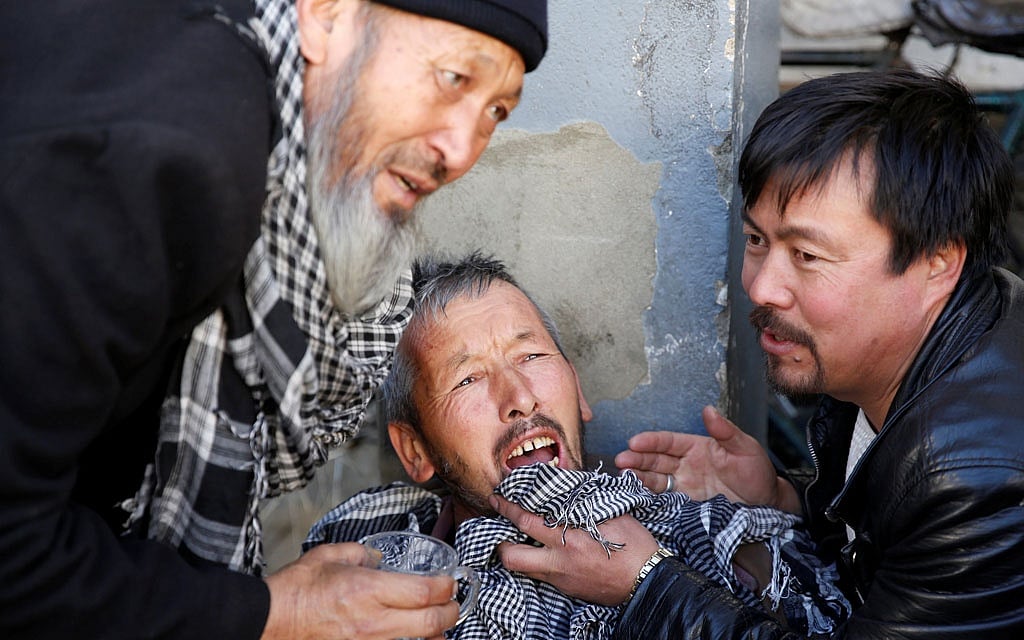
An Afghan man mourns inside a hospital compound after a suicide attack in Kabul, Afghanistan Dec 28, 2017. Reuters
"This gruesome attack underscores the dangers faced by Afghan civilians," rights group Amnesty International said in a statement from its South Asia Director, Biraj Patnaik. "In one of the deadliest years on record, journalists and other civilians continue to be ruthlessly targeted by armed groups."
According to a report this month by media freedom group Reporters without Borders, Afghanistan is among the world's most dangerous countries for media workers with two journalists and five media assistants killed doing their jobs in 2017, before Thursday's attack.













