


Published : 16 Mar 2022, 02:52 PM
Updated : 21 Oct 2022, 03:38 PM


We travelled the 300-mile road from Kabul to Kandahar, the country’s two largest cities, to see how things have changed.
For years, this trip was perilous. Gunfire, roadside bombs, crime and extortion were rampant. Countless people have been killed. But not anymore.
The trip begins with a Taliban checkpoint just outside Kabul, where the road splits in neighbouring Wardak province.
Fighters seized the outpost right before Kabul fell in a gunbattle. Now they check ID cards and registrations.
Remnants of abandoned outposts sit among orchards, streams and potato fields. One former military base signals that the entrance to Ghazni city is near.
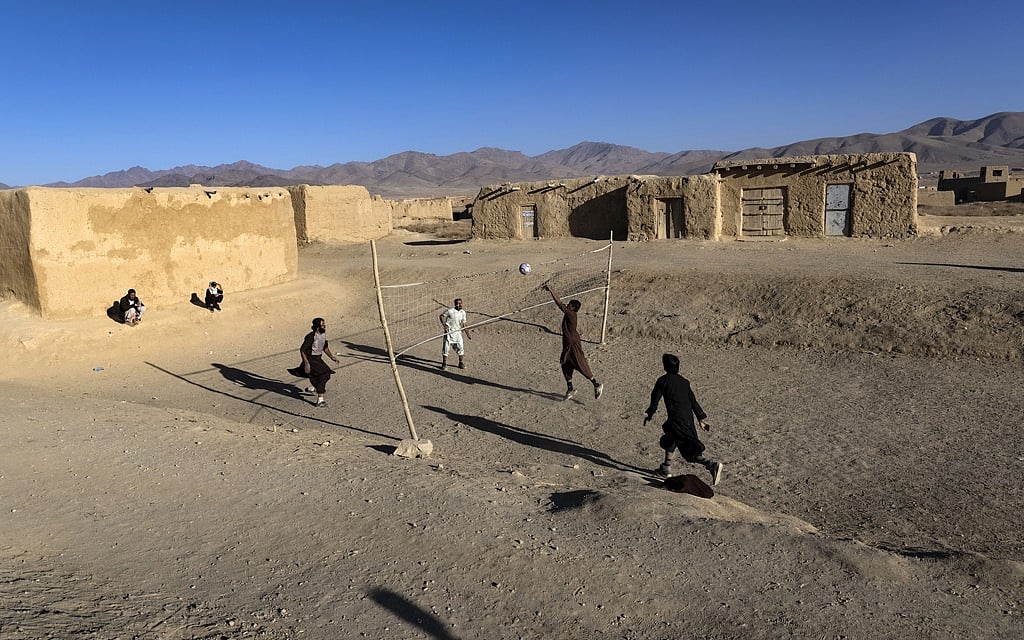
Young men laugh and play volleyball near the highway. Months ago, this would have been almost unheard-of. There was so much violence here.
As we arrive in Ghazni’s capital, the old city is a din of people buying supplies for winter. With US sanctions, banks practically frozen and border closures, prices for items like cooking oil have skyrocketed. Many just don’t have the cash to buy enough food for their family.
Young men play volleyball near the 300-mile road that connects Kabul and Kandahar, Afghanistan’s two largest cities, north of Ghazni in December 2021. The New York Times
The hollowed shells of destroyed vehicles and bullet-ridden homes along the road are a constant reminder of the war. Pedestrians and motorists pass without much of a glance.
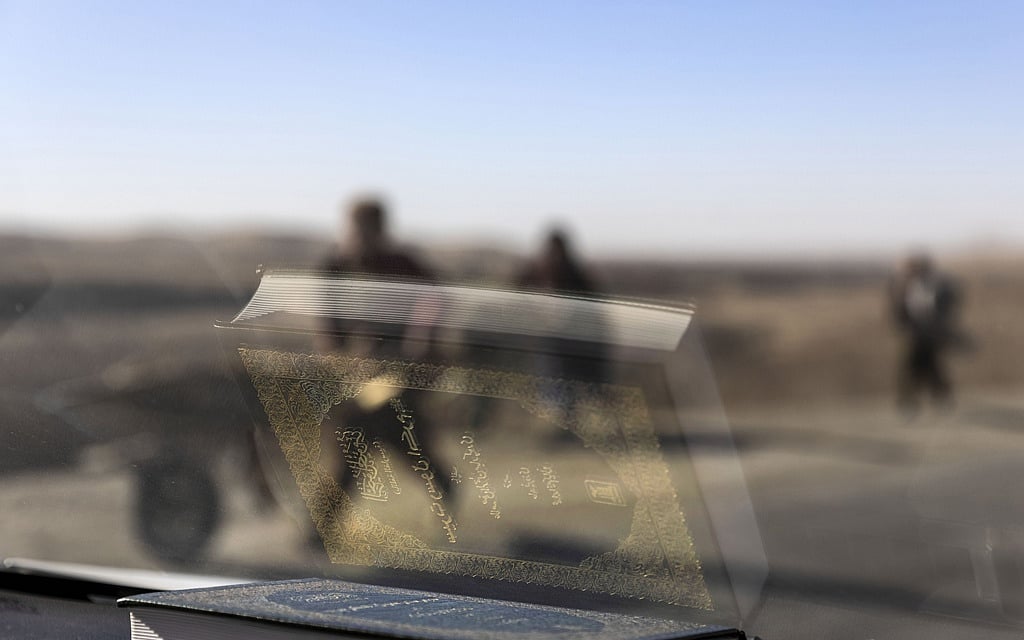
After the former government fell, old symbols of that era were scraped off and removed from cars’ windshields and dashboards, now often replaced by Taliban flags and copies of the Quran to appease the new hard-line rulers.
Just yards from the highway in Zabul, one of the most violent provinces during the war, we witness a new phenomenon: grape farmers safely digging their fields and sitting for tea.
“Before we weren’t able to work so close to the road,” Nur Ahmad, 18, said.
The road isn’t all craters and destroyed bridges. There are stretches of paved serenity as Kandahar approaches.
During the war, peace marchers walked alongside it. The Taliban placed bombs beneath it. But even battered and destroyed in some places, the road perseveres, much like the Afghans who travel it.
© 2022 The New York Times Company













