Published : 23 Jan 2014, 02:53 PM
Updated : 19 Oct 2022, 07:21 PM


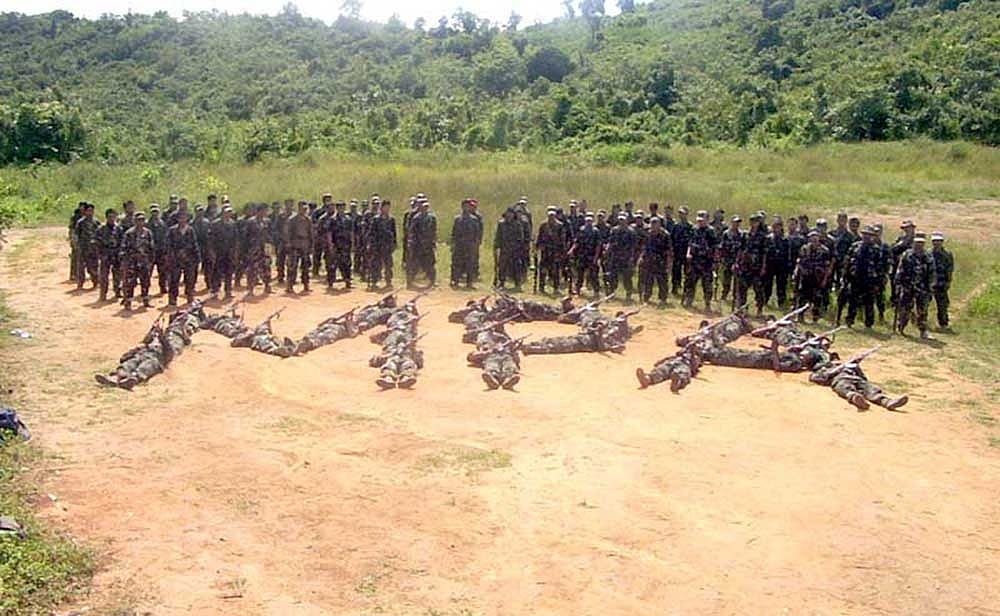
“We have asked security forces to stay on high alert because the rebels may try to disrupt the Republic Day celebrations,” Shambhu Singh, joint secretary (Northeast) in the home ministry, said on Thursday.
The northeast shares long borders with a number of neighbouring countries including Bangladesh and Myanmar, China and Bhutan.
Security along the border with these countries has been beefed following a special security drill ahead of the Republic Day.
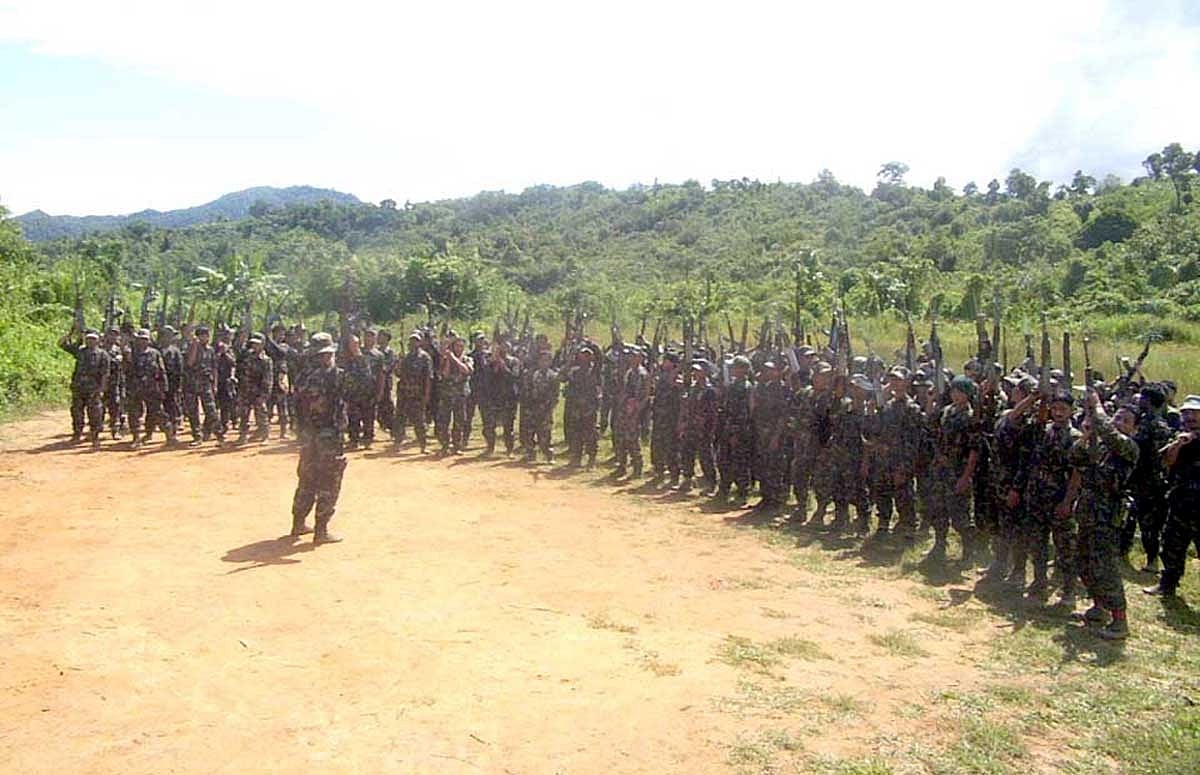
Six frontline separatist groups in the region have called for a boycott of the Republic Day and also a general strike from 1am to 5pm on Sunday (Jan 26) as a mark of resistance against what it termed “Indian occupation of the region”.
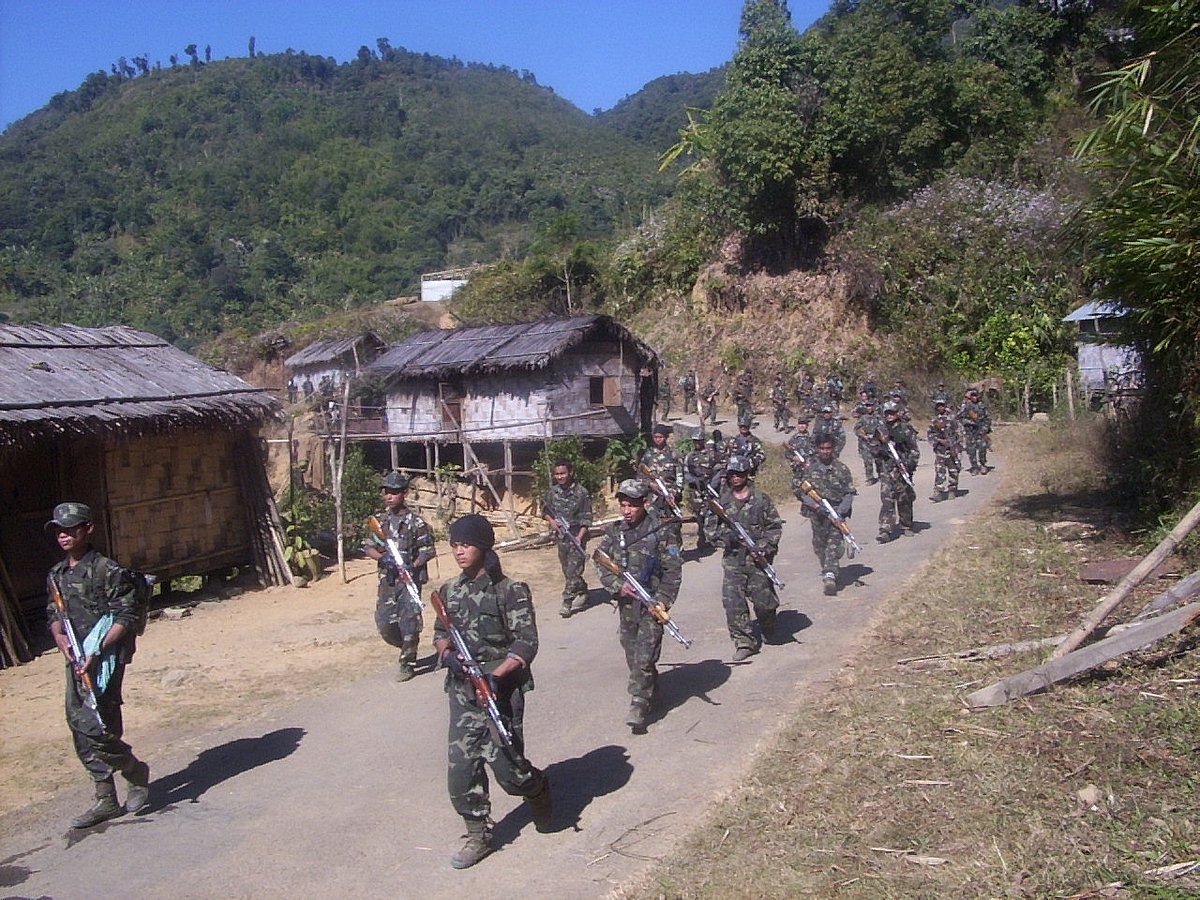
The call has been given by the United Liberation Front of Asom- Independent (ULFA), the National Democratic Front of Bodoland (NDFB), the Hynniewtrep National Liberation Council, the Kamatapur Liberation Organisation, the National Liberation Front of TWIPRA (NLFT), the Tripura People’s Democratic Front (TPDF) and Coordination Committee (CorCom) - an umbrella of seven major separatist outfits - fighting for an independent state for the majority Metei community in Manipur.
These groups are active in Assam, Manipur, Meghalaya and Tripura.
The six rebel groups announced their boycott on Monday through a joint statement e-mailed to several media houses.
“India’s Republic Day which is celebrated on 26 January every year is the day Indian constitution was imposed on the Peoples of Western South East Asia (India’s North Eastern States) so as to legalise their colonial occupation of the region,” CorCom Spokesman, H. Poirei said.
“The Indian colonial regime which trying to suppress the legitimate right of our people, the right to national self-determination, has degraded the lives of our people by trampling even the basic human right-the right to life, under the boots of Indian Occupational Forces,” the statement said.
For years these groups have been boycotting important national events of India to “protest” New Delhi’s rule over the region, and have staged violent attacks in the run up to the celebrations to make their presence felt.
Thousands of army, police and paramilitary troopers are standing guard in the seven north-eastern states to ensure peaceful Republic Day celebrations.
Rebel groups often target vital installations like road and rail bridges, oil and gas pipelines, besides attacking security forces as part of their campaign.
Trains schedules have also been altered to avoid running of night trains though vulnerable areas ahead of the Republic Day.