Published : 04 Mar 2026, 04:59 PM
Updated : 21 Aug 2026, 03:26 PM


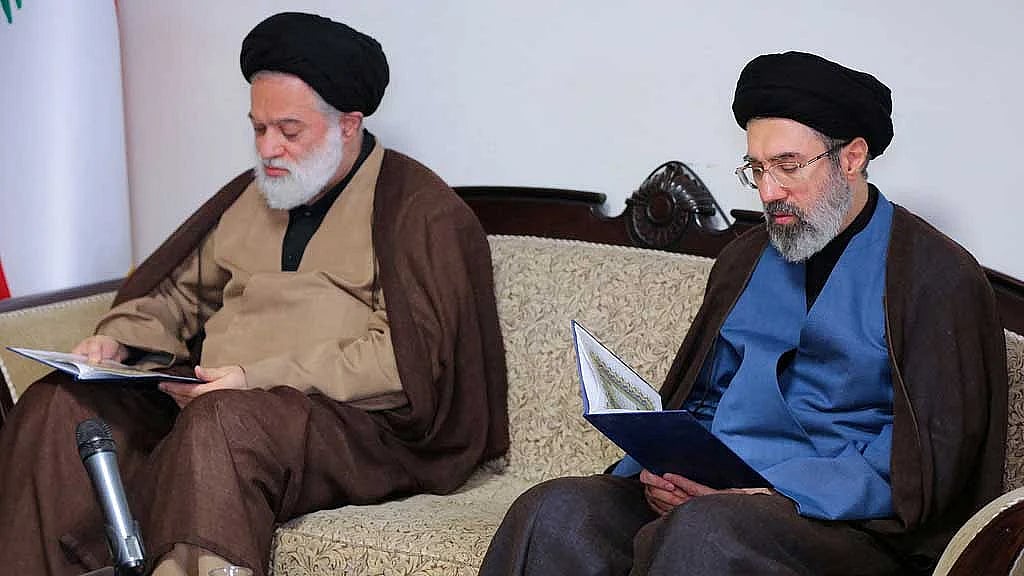
Mojtaba Khamenei, the second son of Iran’s late Supreme Leader Ayatollah Ali Khamenei, has emerged as a leading contender to succeed his father following his death in a missile strike on Feb 28.
Iranian officials told The New York Times that Mojtaba, 56, was put forward as the primary candidate during two meetings of the Assembly of Experts, the powerful body of senior clerics responsible under the constitution for appointing and supervising the supreme leader.
The 88-member assembly is expected to hold a closed vote to select the next leader -- only the second such process since the 1979 Islamic Revolution. The previous vote in 1989 elevated Ali Khamenei to the position after the death of Ayatollah Ruhollah Khomeini.
Reports by Iran International, a Persian-language news channel, suggested the decision to back Mojtaba came under pressure from the Islamic Revolutionary Guard Corps (IRGC), though this could not be independently verified.
EARLY LIFE AND CLERICAL CAREER
Born in Mashhad in 1969, Mojtaba is the second-eldest son of Ali Khamenei and one of six siblings. He grew up as his father rose to prominence as a cleric opposing Mohammad Reza Pahlavi, the Shah of Iran.
The 1979 Islamic Revolution transformed the family’s fortunes, placing them at the centre of Iran’s new Islamic Republic.
After moving to Tehran, Mojtaba attended the Alavi High School, an institution known for producing figures within the country’s ruling establishment. He later pursued religious studies in the seminary city of Qom under conservative clerics.
Despite decades in clerical circles, he has not attained the rank of ayatollah -- a point that has raised debate among senior clerics, as the constitution expects the supreme leader to hold significant religious standing.
During the Iran–Iraq War in the 1980s, Mojtaba served in the Habib Battalion, where he built ties with individuals who later rose within Iran’s security and intelligence apparatus.
INFLUENCE BEHIND THE SCENES
Although Mojtaba Khamenei has never held elected office or a formal government role, analysts and insiders say he has long wielded influence behind the scenes.
He has often been described as a gatekeeper within the Office of the Supreme Leader -- a role sometimes compared to that once played by cleric Ahmad Khomeini for Iran’s revolutionary leader Ruhollah Khomeini.
Observers say his influence has been strengthened by close ties with the IRGC, one of the most powerful institutions in Iran’s political system and economy.
In 2019, the United States imposed sanctions on Mojtaba, alleging that his father had delegated aspects of authority to him and that he exercised influence within the leadership structure without formal accountability.
Reformist politicians and some foreign governments have accused him of influencing elections and backing security crackdowns, allegations Iranian authorities have consistently rejected.
CONTROVERSY OVER SUCCESSION
Mojtaba's possible rise to the country’s top position has been controversial.
A hereditary transfer of power would challenge the Islamic Republic’s founding narrative of rejecting dynastic rule following the monarchy of the Shah.
According to the Middle East Institute, such a succession could provoke opposition among some clerics and factions of Iran’s political elite.
Reports have also highlighted his alleged financial holdings. A Bloomberg investigation said he had built a global investment network through shell companies, including luxury properties in the United Kingdom worth more than $138 million. The report said his financial interests extended to Tehran, Dubai and Frankfurt, though reformist political groups in Iran have denied that he holds large personal assets.
Ali Khamenei had previously identified three senior clerics as possible successors, and his son was not among them.