


Published : 29 Nov 2018, 06:11 PM
Updated : 19 Oct 2022, 02:24 PM


The result kept alive the threat of a messy intraparty feud and touched off what promises to be an intense period of internal arm-twisting and cajoling by a leader renowned for both. At the same time, it confirmed that despite a drumbeat of calls within her caucus for new leadership, most Democrats support returning the 78-year-old Californian, the first woman to be speaker, to the post.
In a secret-ballot vote that dramatised rifts among Democrats only weeks after midterm election victories handed them the majority, Pelosi, running unopposed, won support from 203 Democrats. Beyond the 32 no votes, three ballots were left blank.
“It’s a big victory,” she exulted as she made her way to the Capitol after the results were announced, brushing aside questions about her detractors and saying she felt “great.”
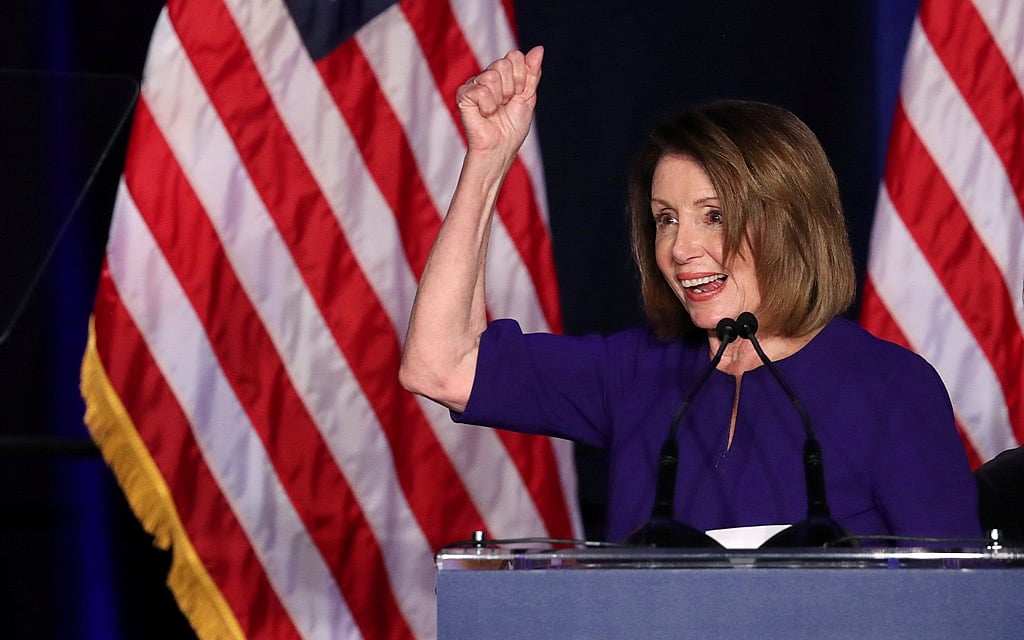
US House Minority Leader Nancy Pelosi celebrates the Democrats winning a majority in the US House of Representatives in the US midterm elections during a Democratic election night party in Washington, US Nov 6, 2018. REUTERS
Along with Pelosi, Democrats moved unanimously to return their other two top leaders, forgoing a vote and electing Rep Steny H Hoyer of Maryland, 79, as the majority leader and Rep James E Clyburn of South Carolina, 78, as the whip.
Still, the election did yield the promise of a new generation of leaders. Democrats chose Rep Ben Ray Luján of New Mexico, the 46-year-old chief of the party’s House campaign committee, for the fourth-ranking position of assistant majority leader. And Rep Hakeem Jeffries, 48, of New York, who has been a leading voice in favour of generational change within the party, was elected chairman of the caucus, the No. 5 post.
© 2018 New York Times News Service












