Published : 18 Mar 2026, 07:37 AM
Updated : 21 Aug 2026, 03:29 PM


Pulse of the War: Mar 17
Counterterrorism chief resigns in protest: Joe Kent, director of the National Counterterrorism Center (NCTC), resigned from his post, becoming the most senior official to break ranks with the administration. In a scathing letter, he claimed Iran "posed no imminent threat" and accused Israeli officials of a "misinformation campaign" to pressure the US into a "war of choice". (Source: Washington Post)
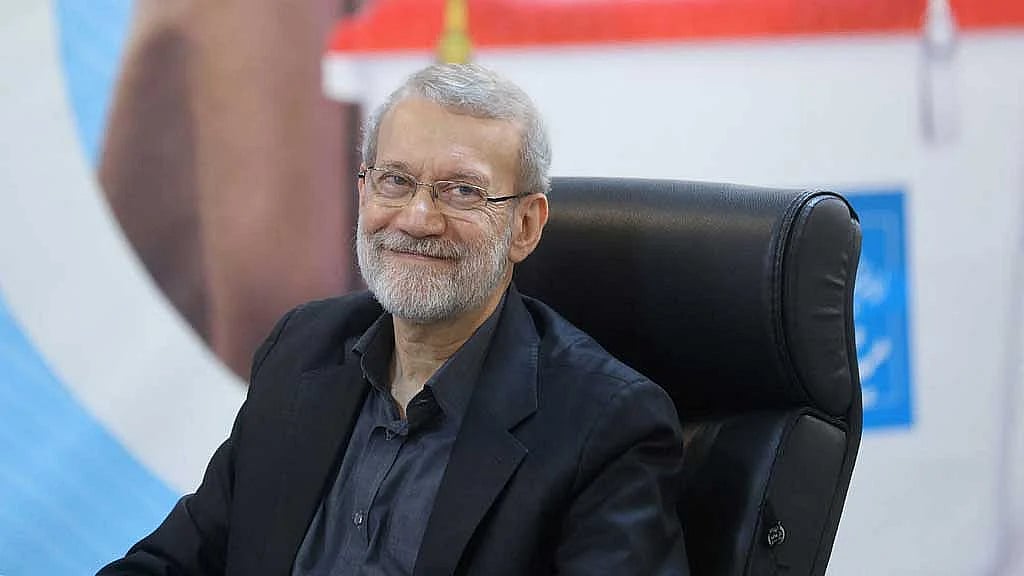
Israel targets Iran’s security chief: Israeli military sources reported a targeted strike against Ali Larijani, Iran’s top security official and former parliament speaker. While Israel remains unsure of his fate, the strike marks a significant escalation in the campaign against Iranian leadership. (Source: BBC)
Trump issues ultimatum to allies: President Donald Trump issued a blunt demand for "about seven" nations to form a naval coalition to police the Strait of Hormuz. He warned that traditional partners must increase "burden-sharing" or face the global economic consequences of the blockade alone. (Source: Washington Post)
Limited ground incursion into Lebanon: The IDF confirmed the commencement of "limited, targeted ground operations" in southern Lebanon. The move aims to dismantle Hezbollah infrastructure following weeks of cross-border fire that has already displaced over one million Lebanese civilians. (Source: BBC)
Drone strikes hit UAE energy hubs: A series of drone attacks sparked major fires at the Shah oil field and near Dubai International Airport. These strikes highlight the widening reach of Iranian retaliation against regional partners supporting the US-Israeli offensive. (Source: CNN)
Massive bombardment of Iranian cities: Israel launched a fresh wave of wide-scale aerial strikes targeting Tehran, Shiraz, and Tabriz. The raids focused on regime infrastructure and missile facilities, resulting in dozens of reported casualties across residential urban hubs. (Source: Al Jazeera)
EU and NATO distancing: EU foreign policy chief Kaja Kallas and German Chancellor Friedrich Merz both ruled out expanding naval missions or joining the conflict. They stressed that the offensive is a "war of choice" by the US and Israel, not a NATO-mandated operation. (Source: Al Jazeera)
Nuclear rhetoric raises tensions: Comments by Trump suggesting Israel would not use nuclear weapons have sparked international concern. Analysts warn that publicly discussing nuclear capabilities introduces a dangerous new level of uncertainty to the regional “escalatory ladder”. (Source: The Guardian)
Israel said on Tuesday it had killed Iran's security chief, the most senior figure targeted since the war's first day, while a senior Iranian official said the new supreme leader had rejected de-escalation offers conveyed by intermediary countries.
Iran did not immediately comment on Israel's announcement it had killed Ali Larijani, widely viewed as one of Iran's most powerful figures and a confidant of slain Supreme Leader Ayatollah Ali Khamenei and his son and successor, Mojtaba.
In a sign of Iran's continued defiance after more than two weeks of war, the senior Iranian official who asked not to be identified said the younger Khamenei had rejected proposals that were conveyed to Iran's Foreign Ministry for "reducing tensions or ceasefire with the United States". The official did not give further details.
The official said Mojtaba Khamenei had held his first foreign policy session since being named supreme leader, and had declared that it was not "the right time for peace until the United States and Israel are brought to their knees, accept defeat, and pay compensation".
He did not clarify whether the younger Khamenei, who has not yet appeared in photos or on TV since being named last week to replace his slain father, had attended the meeting in person or remotely.
The US-Israeli war on Iran is now in its third week, with at least 2,000 people killed and no end in sight.
The Strait of Hormuz remains largely closed off and US allies have rebuffed US President Donald Trump's calls for them to help reopen the vital waterway, through which about 20 percent of global oil and liquefied natural gas flows.
Trump has called on allies to provide military assistance to ease the global economic impact by reopening the strait. Most NATO allies have informed the US they don't want to get involved in the conflict, Trump said on Tuesday, describing their position as "a very foolish mistake."
"Because of the fact that we have had such Military Success, we no longer 'need,' or desire, the NATO Countries’ assistance — WE NEVER DID!" Trump wrote on social media, also singling out Japan, Australia and South Korea.
European Union foreign policy chief Kaja Kallas said in an interview with Reuters on Tuesday that nobody was ready to risk the lives of their people in protecting the strait.
"We have to find diplomatic ways to keep this open so that we don't have a food crisis, fertiliser crisis, energy crisis as well," Kallas said.
Oil prices rose about 3 percent on Tuesday as Iran renewed its strikes on oil facilities in the United Arab Emirates, and are up around 45 percent since the start of the war on Feb 28, raising concerns of a renewed spike in global inflation. The World Food Programme said tens of millions of people will face acute hunger if the war continues through June.
Israel Targets Iran's Security Officials
eza Soleimani, who led the volunteer Basij militia, which plays a major role in domestic security.
Iranian state media confirmed Soleimani's death but did not say whether Larijani was still alive.
In a video posted on social media, Israeli Prime Minister Benjamin Netanyahu pulled a small card out of his suit jacket pocket and said: "Today I erased two names on the punch card, and you see how many more to go on this batch."
Air Raid Sirens Sound In Israel
In Israel, where Iranian missile attacks have killed 12 people, air raid sirens sounded throughout Tuesday in the commercial hub Tel Aviv and surrounding cities as loud blasts of interceptions were heard as far away as Jerusalem.
The barrage underscores Tehran's capacity to carry out long-range strikes despite more than two weeks of pounding by US and Israeli weapons.
The Israeli military said it was targeting "Iranian regime infrastructure" with strikes across Tehran, as well as Hezbollah sites in Beirut.
Foreign Minister Gideon Saar said Israel "had, in effect already won the war", but gave no timeline for when the war might end.
More than 900 people have died since Israel began attacks on Lebanon on Mar 2, the Lebanese Health Ministry said on Tuesday. US-based Iran human rights group HRANA said on Monday that more than 3,000 people have been killed in the country.
Fujairah Port Disrupted In Third Attack
Iran has responded with wide-ranging attacks on its Gulf neighbours.
Gulf Arab states, including the UAE, have faced more than 2,000 missile and drone attacks on US diplomatic missions and military bases as well as oil infrastructure, ports, airports, ships and residential and commercial buildings.
Oil loading at the UAE port of Fujairah was at least partly halted on Tuesday after a third attack in four days caused a fire at the export terminal. Fujairah lies on the far side of the Strait of Hormuz from the Gulf, making it one of the few ports from which the region's oil can be shipped without passing through the blockaded waterway.
UAE authorities said debris from an intercepted ballistic missile also fell in Abu Dhabi's Bani Yas area, killing one Pakistani national, while a fire caused by a drone attack was being fought at Abu Dhabi's Shah gas field.