Published : 17 Jun 2023, 10:25 PM
Updated : 17 Jun 2023, 10:25 PM


Companies accused of fueling the US opioid crisis have so far paid out more than $3 billion to compensate states, but has any of the money reached the people who need it? It depends where you live. Yes, if you’re in Massachusetts; no, in Texas.
A series of landmark settlements since 2021 with top drug distributors, pharmacies and drugmakers including Johnson & Johnson set compensation at a total of more than $50 billion nationwide.
More than 900,000 people have died of drug overdoses in the United States since 1999, with opioids playing an outsized role, according to data from the US Centers for Disease Control and Prevention. State and local officials have touted the settlements as providing desperately needed relief to communities hit hard by the crisis.
But when the money will be paid out, and who will get it, remains far from clear, Reuters has found. And many of those who have been working with opioid addiction for years, through a patchwork of non-profit treatment and aid organisations around the country, say they are still in the dark about how, and whether, their work will benefit, according to a series of interviews over the last several months.
Reuters reached out to all 50 states and the District of Columbia to ask whether they had a process for non-governmental organisations to apply for funding from the settlements. It also looked for information available online about funding applications.
Reuters received responses, or was able to locate information online, for 40 states and the District of Columbia. Of those, the news agency could only confirm that 16 had central, state-wide, publicly available processes for organisations to apply for funding.
Some of the remaining states, including Maryland and Illinois, said they planned to open an application process soon. Others offered no specific details about future plans. Arkansas has adopted a unique model; although the state does not have a funding application process, two thirds of its settlement money is going to a partnership of state and local governments, which does have such a process.
Among the states where money is already reaching organisations on the ground are Massachusetts, Kentucky and Arizona.
“The need to get this money out the door and start making a dent in the crisis has never been greater,” said Brandon Marshall, a professor of epidemiology at the Brown University School of Public Health who serves as an advisor to the committee overseeing Rhode Island’s settlement. “I don’t quite understand why some states and jurisdictions are taking so long to even create a process.” (Rhode Island is disbursing settlement funds through a rolling series of application processes targeted at specific kinds of interventions.)
In Massachusetts, which according to data from the state has received more than $129 million as of this month, funds have already begun flowing, some through a public grant application process.
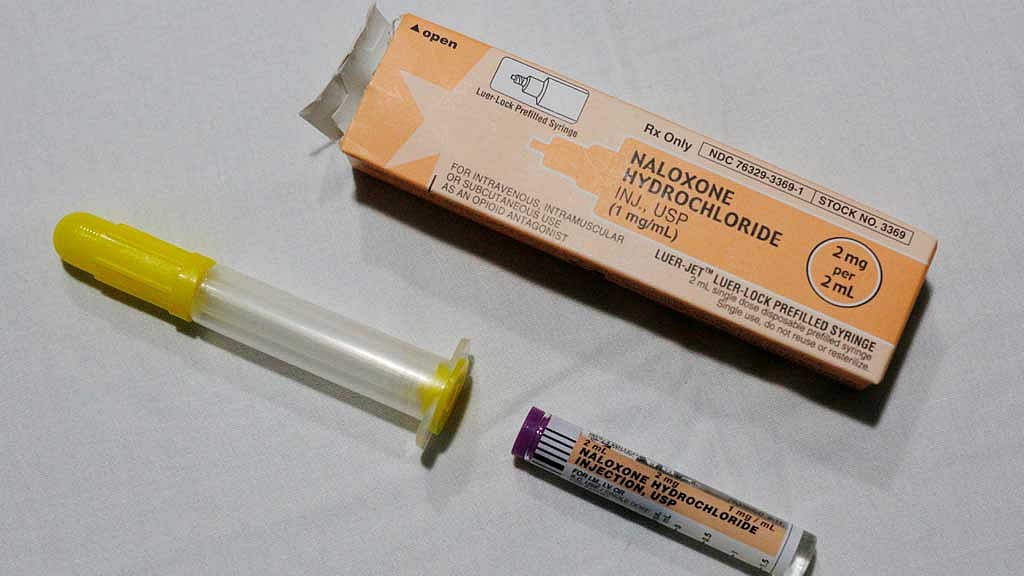
According to a public summary released after a December meeting of the advisory council overseeing the state’s settlement, the state has allocated $3.4 million toward purchasing the overdose reversal drug naloxone, $1.2 million toward methadone treatment programs and $5 million toward organisations that provide long-term housing to people struggling with addiction. The state has also pledged $15 million to repay student loans for health care workers who deal with addiction treatment, and continues to evaluate additional grant applications.
“I think Massachusetts is doing an outstanding job,” said Julie Burns, CEO of RIZE Massachusetts, a non-profit that funds efforts to combat the opioid epidemic “Their process has been very open.” (RIZE itself has not received settlement funding.)
The fate of Texas's share, more than $270 million received to date beginning in December 2021, is less clear. The state legislature this year appropriated about $22 million for government agencies for 2024 and 2025, and has posted an online form for organisations to register as potential funding recipients.
But the state said it does not expect to open up grant applications until later this year or early next year.
"Texas spends funds wisely, not quickly," Chris Bryan, a spokesperson for the office of Texas Comptroller of Public Accounts Glenn Hegar, said in an email, adding that the state was seeking to avoid fraud and abuse of the money. He also noted that the state legislature, which only meets every other year, was not in session in 2022, pushing decisions on spending into this year.
Lisa Ruzicka, a coordinator at Kansas-based addiction recovery non-profit Valley Hope Foundation, said that tracks her experience. While Valley Hope, which operates in seven states, has successfully obtained a grant from Arizona and been in touch with other states, it “has been really hard to figure out” how Texas’s grant process works, Ruzicka said.
“I’ve had a call in to the Texas attorney general for some time, and you just can’t get anybody to give you answers,” she said. The attorney general’s office did not respond to a request for comment.
DIFFERENT STATES, DIFFERENT STRUCTURES
The opioid settlements stem from thousands of lawsuits brought by state and local governments around the country, beginning in 2017, against drug manufacturers, distributors and pharmacies - the largest such mass litigation on behalf of the public since states sued tobacco giants in the 1990s.
Most of the settlements were nationwide agreements, though some state and local governments opted out and struck their own separate deals. The settling companies include the three largest US drug wholesalers, drugmakers Johnson & Johnson and pharmacy operators Walgreens Boots Alliance Inc.
Most states share a significant portion of their total settlement funds with their city and county governments, which make their own independent decisions about how to spend.