Published : 21 Mar 2026, 12:03 AM
Updated : 21 Aug 2026, 03:29 PM


Pulse of the War: Mar 19
Netanyahu projects victory: Israeli Prime Minister Benjamin Netanyahu addressed the foreign press with the defiant opening, “I am alive”, dismissing rumours of his demise. He asserted that Iran’s capacity to enrich uranium and produce missiles has been neutralised and firmly rejected claims that the US was “dragged” into the war, insisting it was a shared strategic necessity. (Source: BBC, Al Jazeera)
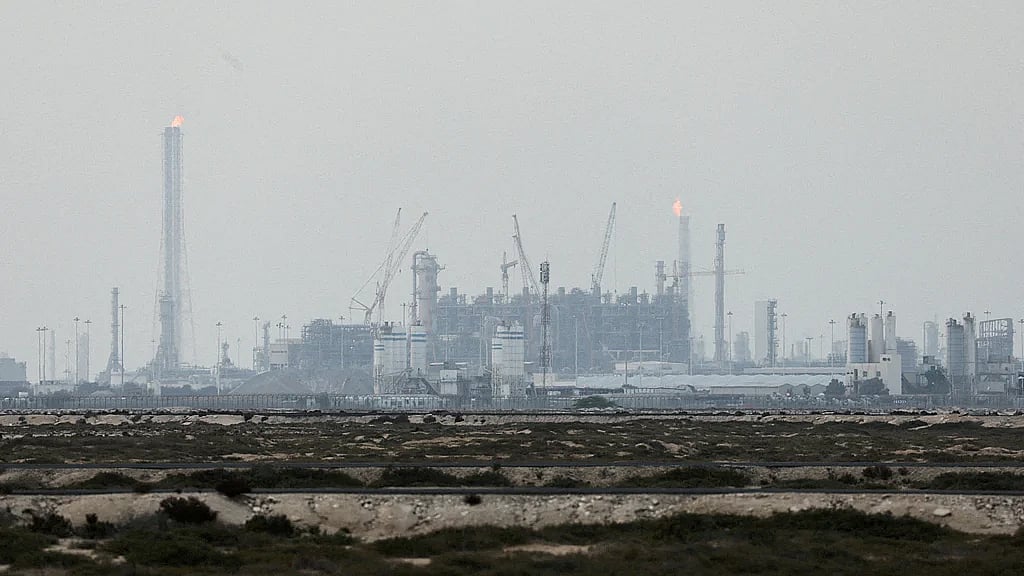
Energy markets in turmoil: Global energy prices skyrocketed after retaliatory Iranian strikes hit the Ras Laffan LNG complex in Qatar and Saudi Aramco’s Yanbu refinery. Brent crude surged past $115 per barrel, while European gas prices jumped over 30 percent as Tehran threatened “zero restraint” against further infrastructure hits. (Source: The Guardian, CNN)
Strategic gas facility strikes: In a massive escalation, Israel targeted Iran’s South Pars gas field, the world’s largest natural gas reserve. Iran responded by attacking energy hubs across the Gulf, including facilities in Kuwait and the UAE, marking a new phase of direct regional economic warfare. (Source: Washington Post, Al Jazeera)
Pentagon seeks record funding: The US Department of Defense has reportedly requested an additional $200 billion from Congress to sustain the war effort. Defence Secretary Pete Hegseth defended the figure, stating “it takes money to kill bad guys”, while refusing to provide a definitive timeline for the conflict’s end. (Source: BBC, Washington Post)
US F-35 emergency landing: A US F-35 stealth fighter was forced to make an emergency landing at a Middle Eastern base after being struck by suspected Iranian fire. This marks the first potential instance of an advanced US aircraft being hit during combat operations in this war. (Source: CNN, BBC)
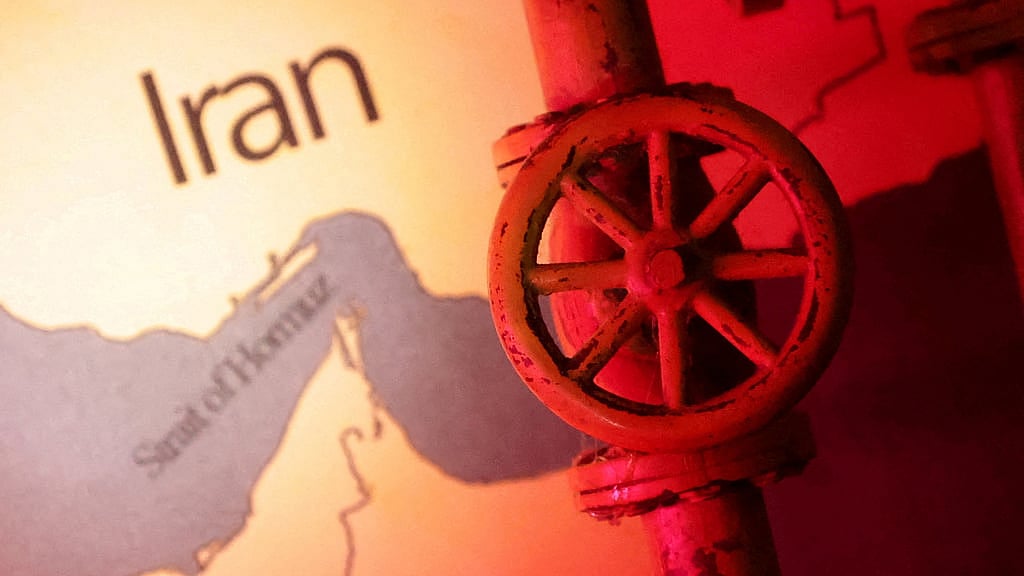
Strait of Hormuz deadlock: Iran has effectively formalised its blockade of the Strait of Hormuz, with lawmakers proposing new “tolls and taxes” on any ships attempting passage. The move has prompted the UK, France, and Japan to pledge joint efforts to secure the vital maritime corridor. (Source: Al Jazeera, The Guardian)
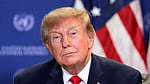
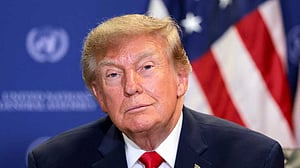
Trump distances and warns: President Donald Trump claimed Israel acted alone in striking South Pars without informing the White House. However, he simultaneously warned Tehran that the US would “massively blow up” the remainder of the field if Iran continued targeting Qatari assets. (Source: CNN, Washington Post)
Rising human toll: Humanitarian agencies report that the death toll in Lebanon has surpassed 1,000, including dozens of medical workers. In the occupied West Bank, Iranian missile debris or interceptors killed at least four civilians, including a pregnant woman, as the conflict’s geographic reach continues to widen. (Source: Al Jazeera, BBC)
US President Donald Trump said on Thursday he had told Israel not to repeat its attacks on Iranian natural gas infrastructure as tit-for-tat strikes on energy plants sent energy prices spiralling, sharply escalating the US-Israeli war on Iran.
Trump's comment came as energy prices jumped sharply higher on Thursday after Iran responded to an Israeli attack on a major gas field by hitting Qatar's Ras Laffan Industrial City, which processes around a fifth of the world's liquefied natural gas, causing damage that will take years to repair.
Saudi Arabia's main port on the Red Sea, where it has been able to divert some exports to avoid Iran's closure of the Gulf's exit point, the Strait of Hormuz, was also attacked.
The strikes underscored Iran's continued ability to exact a heavy price for the US-Israeli campaign, and the limits of air defences in protecting the Gulf's most valuable and strategic energy assets.
Trump, politically vulnerable to rising fuel prices among his core voters, has lashed out at allies who have responded cautiously to his demands that they help secure the Strait of Hormuz, the conduit for around a fifth of the world's oil.
But he said he had told Israeli Prime Minister Benjamin Netanyahu not to repeat the attack on energy infrastructure.
"I told him, 'Don't do that', and he won't do that," he told reporters in the Oval Office, where he met Japanese Prime Minister Sanae Takaichi.
A US official and three other people familiar with the planning told Reuters that Trump was considering sending thousands more US troops to the Middle East. But at his meeting with Takaichi, Trump said he had no plans to deploy ground forces.
"I'm not putting troops anywhere," he said.
Energy Crisis Escalates
With no end in sight almost three weeks into the war, and the threat of a global "oil shock" growing by the day, Britain, France, Germany, Italy, the Netherlands and Japan issued a joint statement expressing "our readiness to contribute to appropriate efforts to ensure safe passage through the Strait".
They also promised "other steps to stabilise energy markets, including working with certain producing nations to increase output".
The statement offered no details and there was little indication of any immediate move, with German Chancellor Friedrich Merz reiterating that any contribution to securing the strait would come only after hostilities ended.
The resistance by major US allies to becoming involved in the war reflects scepticism over a conflict European leaders have said has unclear objectives that they did not seek and over which they have little control.
In particular, Israel's bombing of Iran's South Pars gas field, which Trump said the US had not known about, suggested gaps in coordination of strategy and war aims between the main protagonists.
Adding to the confusion around the attack, three Israeli officials said the operation had taken place in consultation with the United States, but was unlikely to be repeated.
Earlier, US Defence Secretary Pete Hegseth told a briefing that US objectives in the war, which has so far killed more than 2,000 people, mostly in Iran and Lebanon, were "unchanged, on target and on plan".
But Director of National Intelligence Tulsi Gabbard told the House intelligence committee that US and Israeli goals differed:
"...the Israeli government has been focused on disabling the Iranian leadership. The president has stated that his objectives are to destroy Iran's ballistic missiles launching capability, their ballistic missile production capability, and their navy."
Qatar Loses a Sixth of Gas Exports
Iran's military said strikes on Iran's energy infrastructure had led to "a new stage in the war" in which it had attacked energy facilities linked to the United States.
"If strikes (on Iran's energy facilities) happen again, further attacks on your energy infrastructure and that of your allies will not stop until it is completely destroyed," spokesman Ebrahim Zolfaqari said, according to state media.
QatarEnergy's CEO told Reuters the Iranian attacks had knocked out a sixth of Qatar's LNG export capacity, worth $20 billion a year, and that repairs would take three to five years.
Israeli media reported that an Iranian strike hit oil facilities in Israel's port of Haifa, causing damage but no casualties.
Since Wednesday, Iranian attacks have also forced the UAE to shut its Habshan gas facility and set off fires at two Kuwaiti oil refineries.
Brent crude oil futures LCOc1 were up nearly 3 percent at $110.35 at 1700 GMT, having surged up to 10 percent before the joint statement. European near-term gas prices were up more than 15 percent, and have leapt by over 60 percent since the war began.
Japanese and South Korean stocks fell around 3 percent while the pan-European index was down 2.3 percent, around its lowest in more than three months. On Wall Street, the Dow Jones Industrial Average was down about 1 percent.
Fears of lasting inflation pressures encouraged both the European Central Bank and Bank of England to hold rates steady, and investors who once expected cuts were pricing in hikes by year-end. The ECB now sees 2026 inflation at 2.6 percent, above the 1.9 percent predicted in December.
At a summit in Brussels, European Union leaders sought ways to offset higher energy costs for industries and consumers already struggling with the rising cost of living.