


Published : 15 Sep 2019, 08:13 PM
Updated : 17 Oct 2022, 11:45 AM


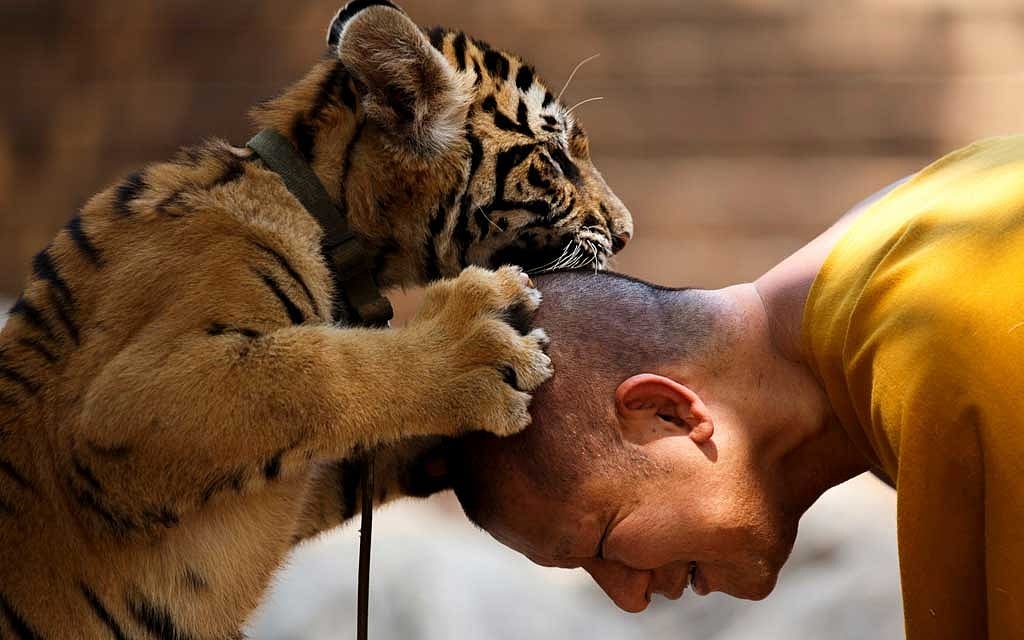
The Buddhist temple west of Bangkok was a tourist destination where visitors took selfies with tigers and bottle-fed cubs until authorities removed its nearly 150 tigers in 2016 in response to global pressure over wildlife trafficking.
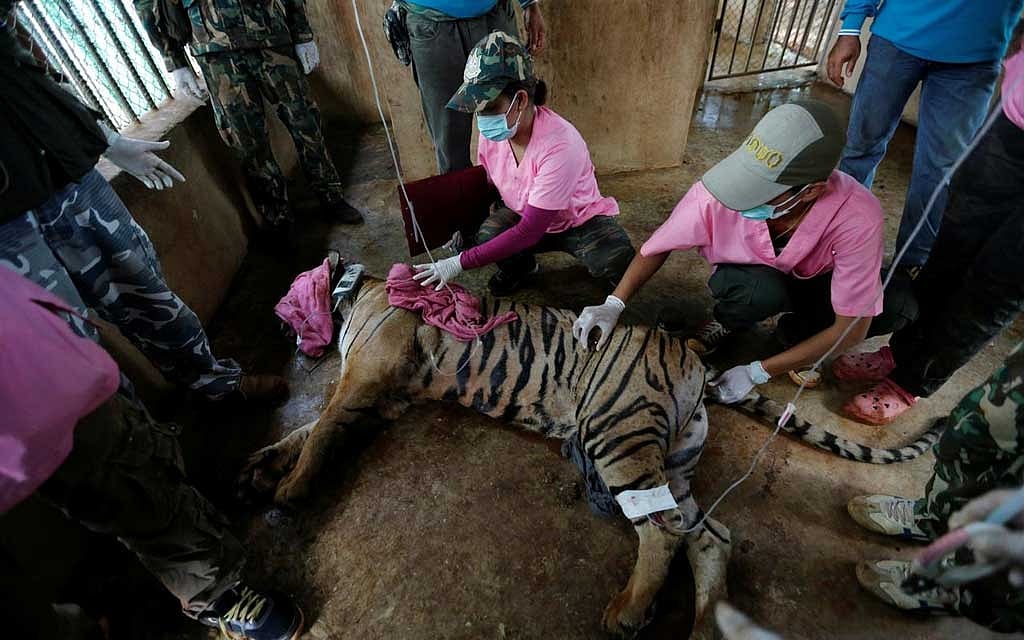
File Photo: A sedated tiger is seen in an enclosure as officials continue moving live tigers from the controversial Tiger Temple, in Kanchanaburi province, west of Bangkok, Thailand, June 3, 2016. Reuters
"When we took the tigers in, we noted that they had no immune system due to inbreeding," the department's deputy director-general, Prakit Vongsrivattanakul, told the state-owned broadcaster MCOT on the weekend.
"We treated them as symptoms came up," Prakit said.
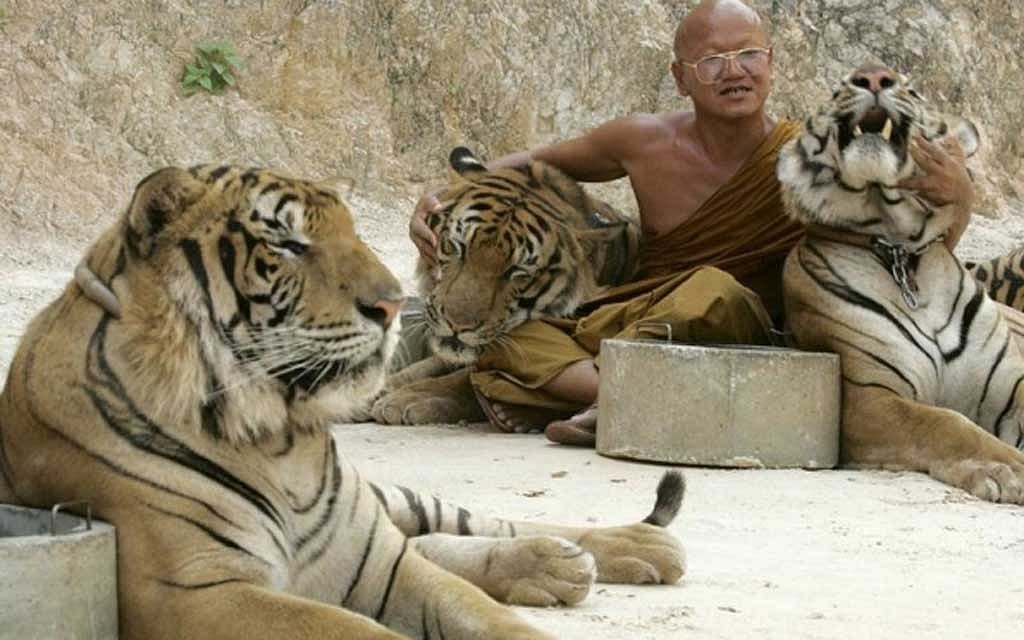
File Photo: A Buddhist monk plays with a tiger at the Tiger Temple in Kanchanaburi province, 120 km (74 miles) northwest of Bangkok, April 17, 2006. Reuters
The temple had promoted itself for years as a wildlife sanctuary, but it was eventually investigated for suspected links to wildlife trafficking and animal abuse.
Wildlife activists accused the temple's monks of illegally breeding tigers, while some visitors said the animals appeared drugged. The temple denied the accusations.
Government officials could not be reached for comment on Sunday.













