Published : 05 Aug 2023, 07:30 PM
Updated : 06 Aug 2023, 01:34 PM


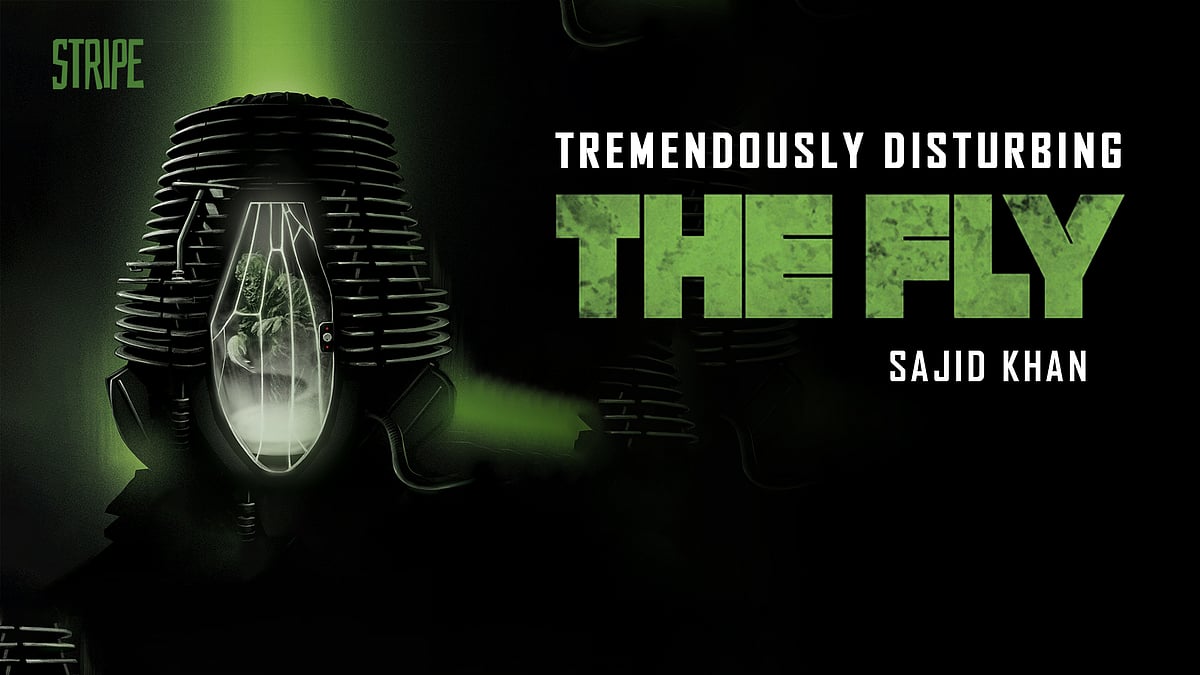
Even the smallest mistake can have horrific consequences.
Seth Brundle (Jeff Goldblum) is a brilliant, but eccentric scientist who is close to perfecting his revolutionary breakthrough, the Telepod – a device that can instantaneously transport something from one place to another. There’s just one problem. It can’t quite handle living things just yet.
When he invites science journalist Veronica "Ronnie" Quaife (Geena Davis) to his lab, she is amazed at his progress and the two agree to document the process that could perfect the invention of the century. Sparks begin to fly between the headstrong reporter and the charming scientist, but when Stathis Borans (John Getz), Veronica’s boss and ex-boyfriend, enters the picture, Seth decides to rush to rush into human testing.
Unfortunately, just as he prepares to teleport himself, a fly buzzes inside the device as well. The machine is confused and decides to splice the DNA of the human and the insect together.
The premise is one of the great concepts of science fiction horror. George Langelaan’s original 1957 short story has all the elements – the disturbing central idea, the visual grotesquery, and the underlying melancholy. The 1958 Vincent Price vehicle is a campy delight. But the 1986 David Cronenberg movie is its true culmination – an operatic tale both grand and grotesque.
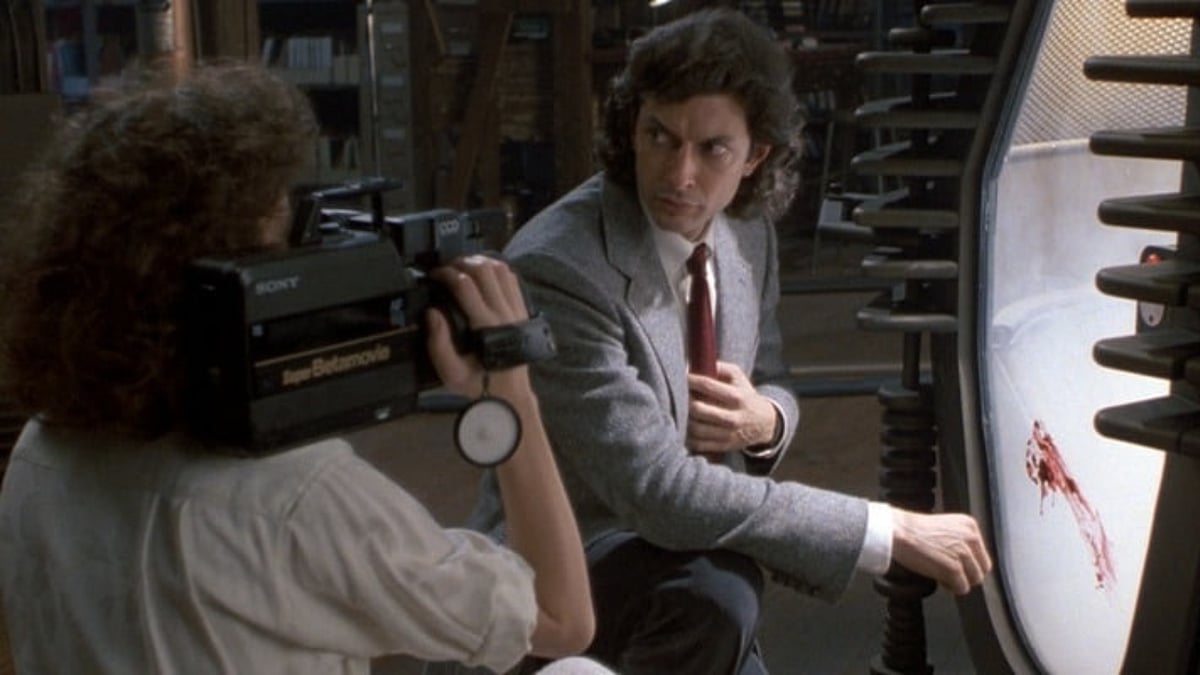
Unlike the earlier versions, The Fly takes its time to flesh out its story.
Initially, Seth’s test seems a success as his body is blessed with increased strength, agility, and stamina. But other tics start to bubble up too – a short attention span, an intense love of sugar, and a sudden flaring of temper. And, before long, he is undergoing a brutal alteration that turns him into a monster.
These changes are a showcase for the film’s most celebrated aspect - the astonishing practical effects. Alongside designer Chris Walas, Cronenberg creates his most disturbingly tangible piece of body horror. As the film goes on, Seth starts to take on more and more fly-like aspects, mutating as his hair falls out, his body becomes covered in a sheen of mucous, and ‘unnecessary appendages’ like teeth and ears are discarded. It is tremendously effective stuff, stomach churning in its fleshy tactility. Even 36 years later, it remains impressive and is truly deserving of the make-up Oscar it won that year.
But The Fly is much more than a gross-out film for horror fans and gore hounds. It is also surprisingly affecting human tragedy.

It helps that both lead actors are excellent, tracing their character arcs with sensitivity despite the heightened drama. Goldblum is quirky, peculiar, but charming as the scientist on the cusp of a great discovery. As the film wears on, his darker side comes to the fore in flashes of rage, despair and jealousy. But even buried under heavy, hideous make-up, he can still find touches of humanity. Davis is steely and determined to start, but slowly adds in the warmth and vulnerability needed to portray a woman who is trying to stick by her lover even as he undergoes a nauseating metamorphosis. The strong chemistry between the two also grounds the premise, which could turn silly or ludicrous in less nuanced hands.
Instead, the script takes its central concepts with seriousness and intelligence, tackling ideas of obsession, the toll of incurable disease, and even the AIDS crisis of the time. It is a mature treatment that is genuine in both its insight and the heartfelt emotions of its characters, lending the necessary weight to its doomed romance.
But the thing that ties it together, appropriately, is Howard Shore’s mesmerising score. Haunting and dramatic, it churns with a heavy, restless intensity. Performed by the London Philharmonic Orchestra, it has real depth and complexity. It is a riveting accompaniment, one that crescendos at the film’s climax with a blast of sound that ends it all on the perfect note.
The Fly is, perhaps, not for the faint of heart. But for those who have the stomach for it, it is a thrilling balance of tension, horror, and drama. And it works as a bracing reminder that if you are trying to rework the very laws of nature, it’s best to be careful.
This article is part of Stripe, bdnews24.com's special publication focusing on culture and society from a youth perspective.