Published : 30 Mar 2023, 07:27 PM
Updated : 30 Mar 2023, 07:27 PM


Some habits are shockingly easy to break. Others are difficult. Some, impossible.
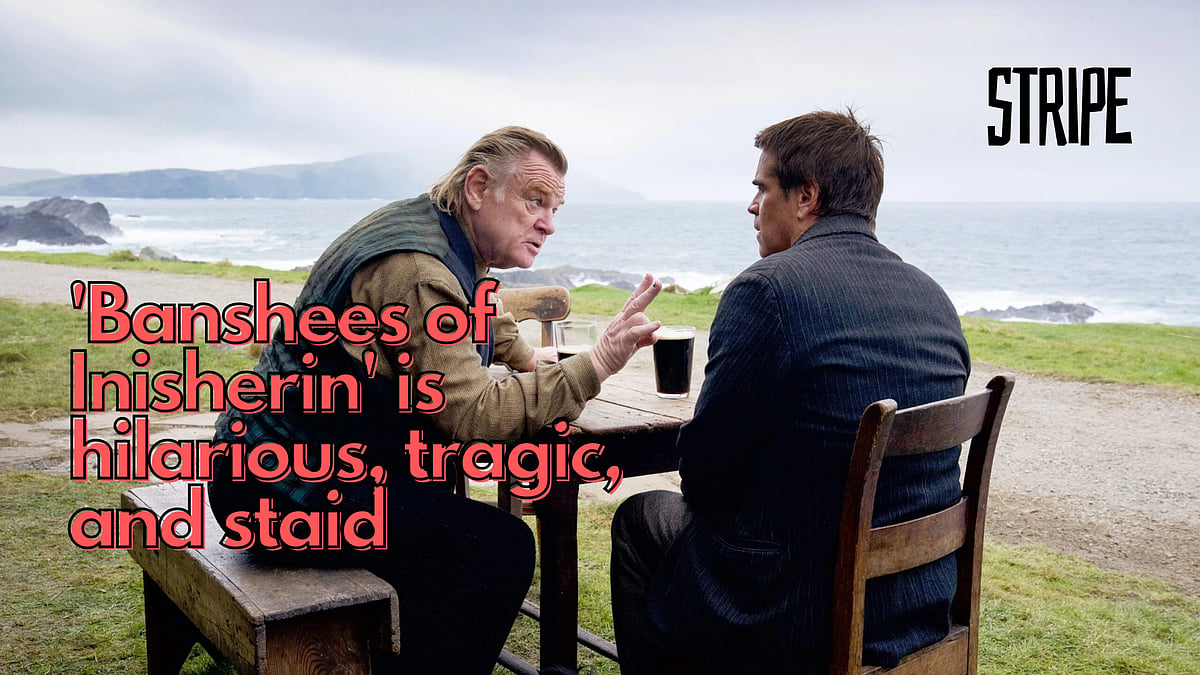
Pádraic Súilleabháin (Colin Farrell) should know. He lives on the small island of Inisherin off the Irish coast. His life is simple – he takes care of the cows and a beloved miniature donkey named Jenny, has a warm back-and-forth with his sister Siobhán (Kerry Condon), and spends his nights drinking at the local pub with his best friend Colm Doherty (Brendan Gleeson).
That is until, one day, when Colm tells him he never wants to talk to him again.
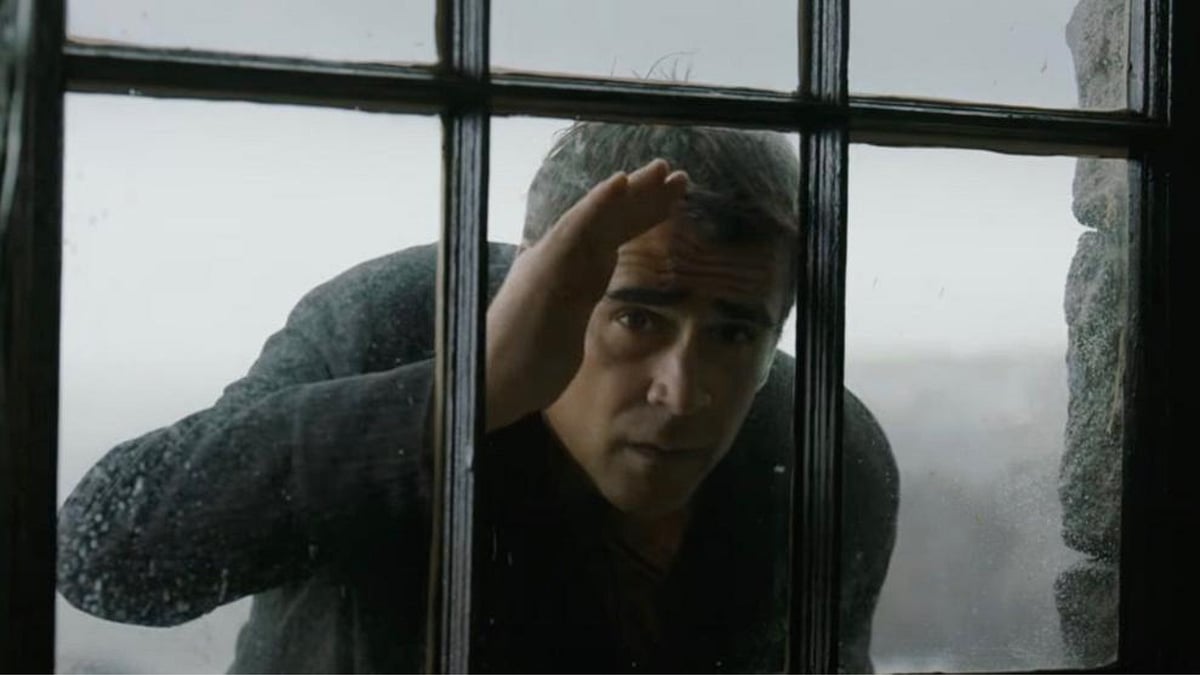
Pádraic, hurt and confused, can’t accept it. He pushes to resolve the situation. It doesn’t work. He pushes again and again and again until we start to wonder whether he’s any better than his former friend.
The Banshees of Inisherin, the latest from Irish writer and director Martin McDonagh is quite a good movie. It reunites McDonagh with Farrell and Gleeson, who sparkled in his debut film In Bruges and deliver again here. The screenplay is hilarious, keen, and has a loving but sharp attention to detail. And it builds a slow sense of tension and dread as a minor argument grows larger and larger until it seems nearly epic in scope.
But it isn’t a great movie.
And, perhaps the worst part is that it could be a spectacular play.
McDonagh came to prominence in the mid-90s and early-00s as the wright of such plays as The Beauty Queen of Leenane, The Lieutenant of Inishmore, and The Pillowman. His dynamic dialogue - peppered with curses and turns of laugh-out-loud humour and sudden veers into deep sadness – is a testament to his writing quality. Visually, though, he’s less accomplished.
Inisherin isn’t a bad-looking movie. Ben Davies’s cinematography does decent work with the breadth and scope of a striking setting. But it doesn’t shine. Just a day or two after watching the movie, it started to dissipate from my mind. The images lack the spark and vigour that define the best of cinema.
And the sad thing is, a lot of Inisherin comes close to being that good.
Farrell has a sprightly energy in his native accent, rattling off lines that make you groan or giggle with equal ease. Gleeson brings power and implacability but can turn gentle, playful, or goofy instantly while making it all feel part of the same character. Condon and Barry Keoghan, as the village idiot who might be more than he seems, also put in great work. When these characters carom off each other, Inisherin can feel electric.
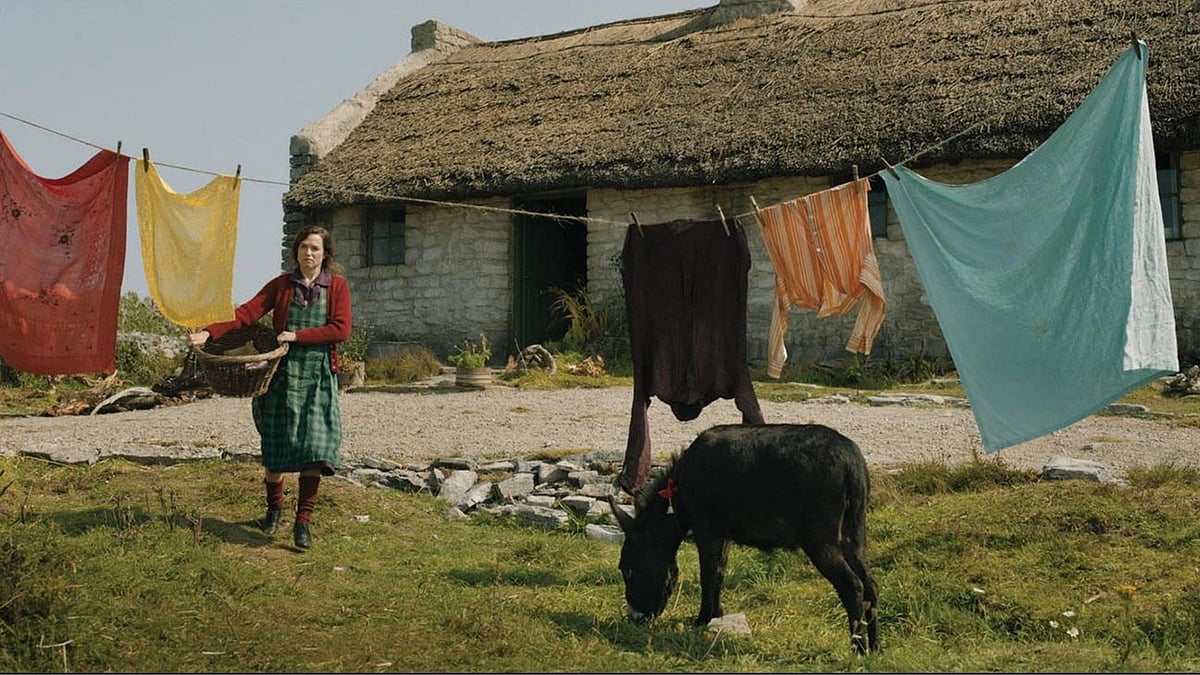
The story starts leisurely but picks up momentum as it trundles along until events are so out of control a tragic end seems inevitable.
It’s also very, very funny. McDonagh has a particular way of building up a conversation before something unexpected comes at the right angle to bring it all tumbling down, which I find delightful.
But I’m still stuck with this lingering feeling. What if I saw this in a small theatre instead of on the big screen? One where the isolation and claustrophobia of an island where you’ve known every single person from the day you were born is front and centre? Where Colm’s desperate need to stop talking to Pádraic becomes more absurd and more understandable in the small, enclosed space? Where the characters could clash and come together in quick succession and build even further on the relentless, inevitable death march of the story?
Alfred Hitchcock allegedly said of Steven Spielberg, “He’s the first one of us who doesn’t see the proscenium arch (the frame around a theatre stage).”
McDonagh doesn’t always manage it. Some habits are hard to break.
This article is part of Stripe, bdnews24.com's special publication focusing on culture and society from a youth perspective.