Published : 18 Oct 2026, 09:38 PM
Updated : 18 Oct 2026, 09:38 PM


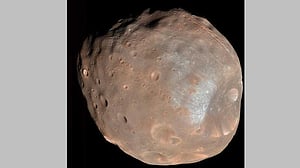
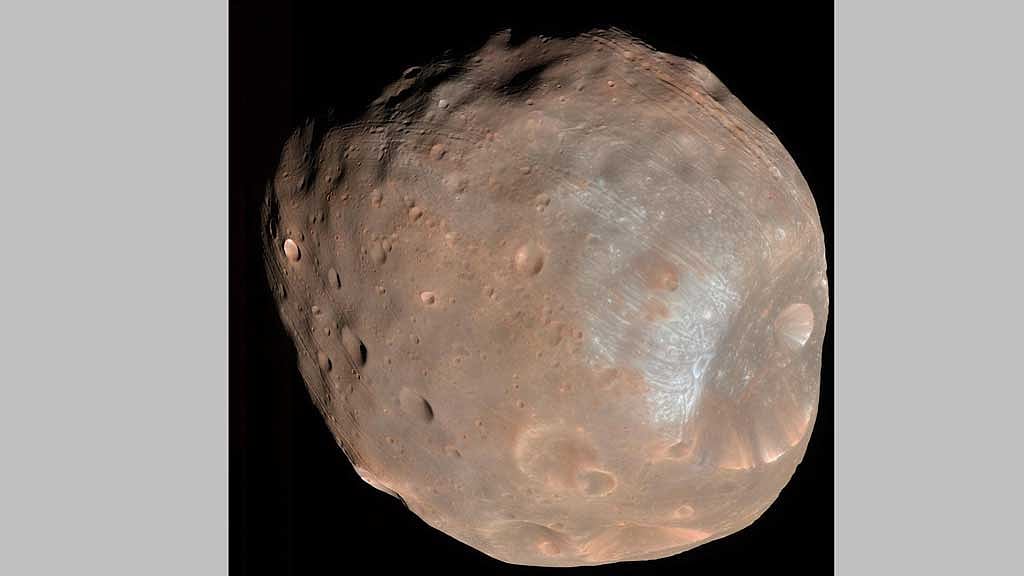
Japan is preparing to launch the world’s first mission to collect samples from Phobos, one of Mars’s two moons, in a five-year effort to uncover how the moons formed, The Guardian reports.
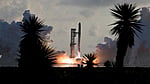
The Japan Aerospace Exploration Agency (JAXA) plans to launch the Martian Moons eXploration (MMX) mission on Tuesday aboard an H3 rocket.
The spacecraft is expected to reach the Mars region in August 2027 and return to Earth in 2031.
“Despite their potential importance, Martian moons have never been fully investigated,” project manager Yasuhiro Kawakatsu said, describing them as “the most important unclimbed mountains in the solar system”, according to the report.
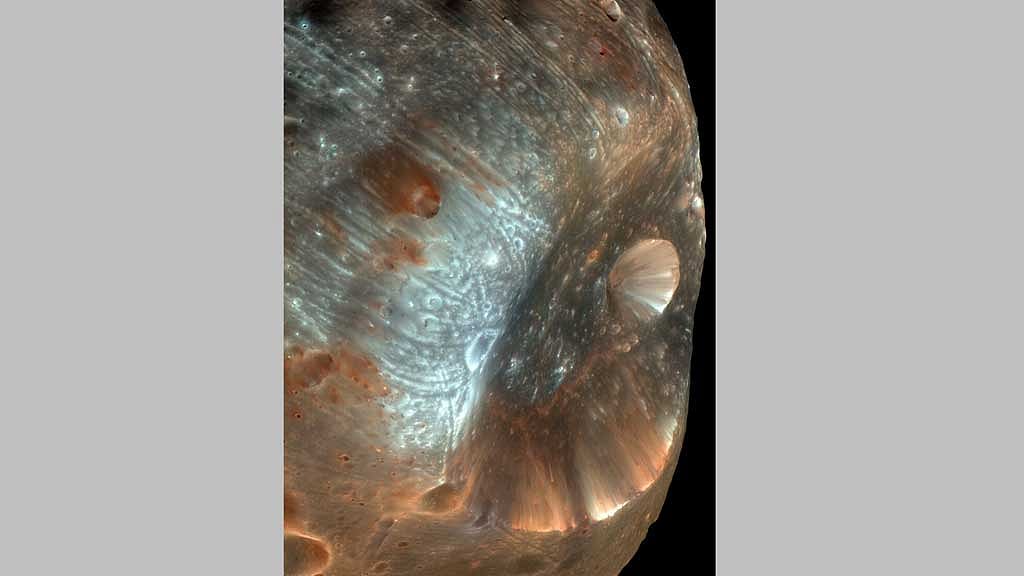
Scientists are debating whether Phobos and Deimos formed from debris after a massive impact on Mars or are asteroids captured from elsewhere in the solar system.
Samples from Phobos could help settle the question.
Kiyoshi Kuramoto, the mission’s principal investigator, said analysing the material could provide a definitive answer.
JAXA expects some of the collected material to have originated on Mars, potentially offering further clues about the planet, he added.
Phobos was selected because it orbits closer to Mars than Deimos, making it a potentially valuable source of information about the red planet.
The mission includes a France-Germany rover, Idefix, which will explore Phobos for about 100 days around 2029 ahead of sample collection, with support from NASA and other space agencies.
According to The Guardian, the mission aims to return at least 10 grams of soil using US and Japanese sampling methods, but landing on Phobos will be challenging due to its extremely low gravity.
The spacecraft has shock-absorbing landing gear designed to prevent it from bouncing on touchdown.
The Guardian notes that the samples will be sealed in a heat-protected capsule for the journey back through Earth’s atmosphere.
The return module is expected to land in Australia before being transported to Japan for analysis.