Published : 28 Sep 2026, 08:48 PM
Updated : 28 Sep 2026, 08:48 PM


SpaceX's next-generation Starship rocket lifted off from Texas on Monday and reached orbit for the first time, with one of its engines down, making a risky bid to deploy its first batch of Starlink satellites in the company's most ambitious mission yet.
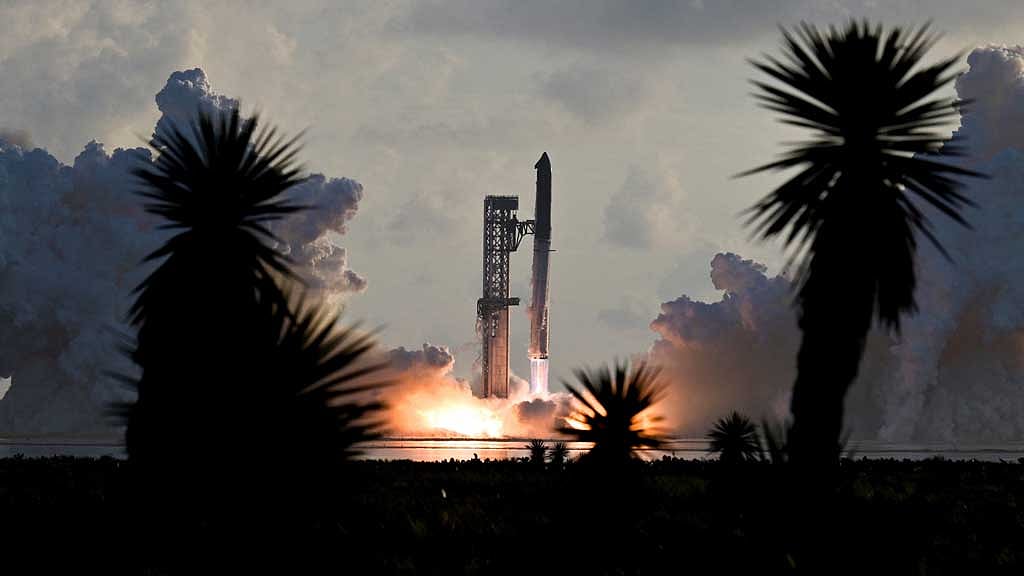
The uncrewed 40-story-tall vehicle, consisting of a Super Heavy booster rocket topped by the main upper-stage Starship vessel, thundered off its launch pad from SpaceX's Starbase complex along the Gulf of Mexico near Brownsville.
SpaceX spokesperson Dan Huot on the company's live stream of the mission initially declared Starship unable to reach orbit after one of its engines shut down earlier than planned.
But Huot reversed course minutes later after an update from engineers confirmed that the craft could still attempt a key engine firing that would boost it into orbit.
Starship, built to launch SpaceX's Starlink satellites more frequently and carry future NASA missions to the moon, was expected to complete six Earth orbits during a 10-hour voyage -- its longest yet -- before splashing down in the Pacific Ocean west of Chile.
Reaching orbit, a primary benchmark for any new rocket designed to deliver payloads to space, has been a long-delayed feat for Starship, which SpaceX's Elon Musk once predicted would be achieved in 2022, to be followed by satellite deployments in 2023.
Since 2023, however, all 13 of Starship's previous test flights have been limited to suborbital space, despite a nearly decade-long development campaign that has cost SpaceX more than $15 billion to date.
Musk has said he envisions ultimately flying hundreds or thousands of Starships a year, a launch pace unprecedented in the space industry.