Published : 27 Nov 2026, 09:43 PM
Updated : 27 Nov 2026, 09:43 PM


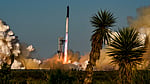
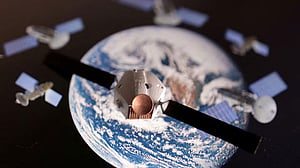
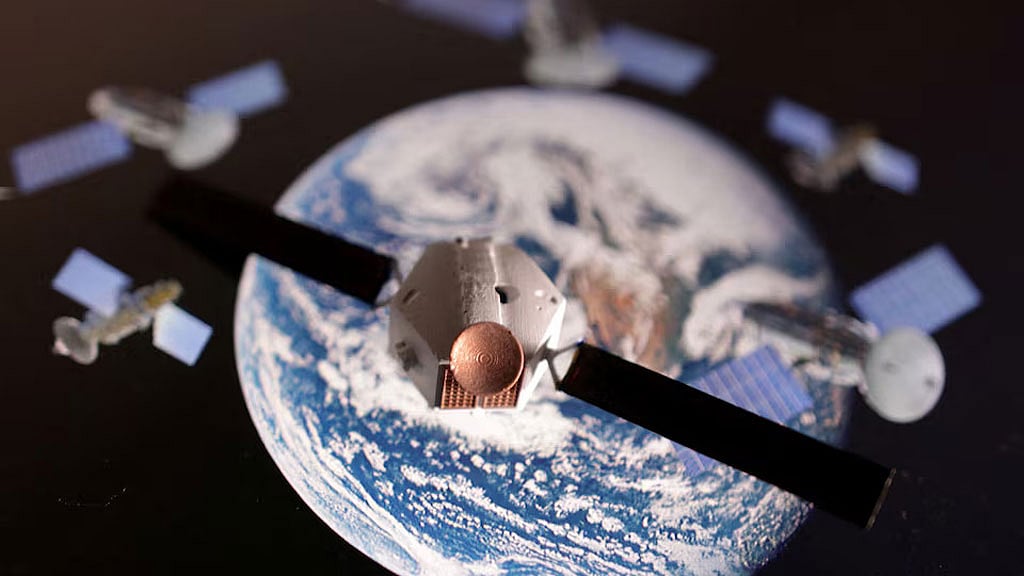
US regulators have approved SpaceX's plan to launch up to one million Starmind satellites to power solar-powered orbital data centres for artificial intelligence.
The Federal Communications Commission (FCC) decision could significantly expand Elon Musk's presence in orbit and transform the night sky, according to The Independent.
Musk already controls roughly two-thirds of the active satellites orbiting Earth.
He has described Starmind, which would dwarf his 11,000-satellite Starlink network, as a "sentient sun" and a "great asset to America and the world".
FCC Chairman Brendan Carr hailed the plan as a bold new frontier for computing infrastructure, while rival firm Amazon dismissed it as a lofty ambition rather than a viable plan.
Reaching the proposed capacity by the regulator's 2040 deadline will depend heavily on scaling up SpaceX's next-generation Starship rocket and overcoming major engineering, cost and environmental challenges.
Deploying one million satellites would also put enormous pressure on orbital safety and increase the risk of space debris.
The American Astronomical Society warned that a constellation of this scale, featuring spacecraft 75 metres wide, would place unprecedented demands on collision avoidance systems and risk triggering the Kessler Syndrome.
The phenomenon involves a chain reaction of collisions that could leave low-Earth orbit littered with debris for decades.
The sheer number and brightness of the satellites could also disrupt scientific research and everyday stargazing, with researchers warning that they could obscure constellations and the Milky Way.
Data-centre specialist Barry Gross said the FCC approval amounted to permission to test a hypothesis, not proof that the technology or its economics would work, The Independent reported.
Princeton astrophysicist Gáspár Bakos warned that satellite swarms could make the night sky, including constellations and the Milky Way, virtually disappear from view.