



Published : 12 Feb 2026, 08:02 AM
Updated : 21 Aug 2026, 03:09 PM


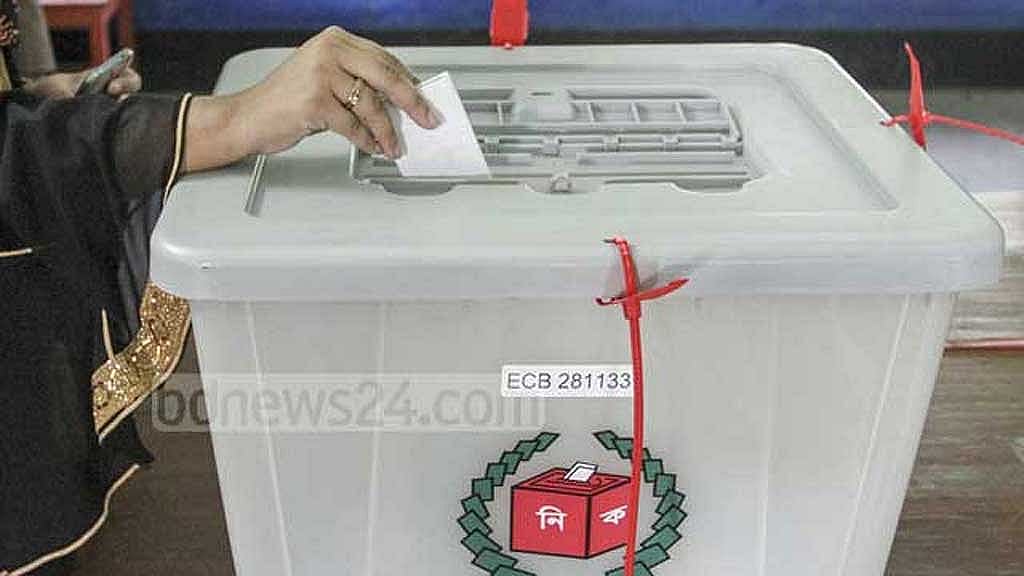
Bangladeshis are heading to the polls on Thursday to cast their ballots in a “historic” general election, marking a pivotal moment in the nation’s transition toward democracy following the July Uprising.
The political landscape has shifted dramatically.
The Awami League, toppled in the Uprising, is absent from the ballot.
Former prime minister Sheikh Hasina, who ruled for nearly 15 years, now lives in exile in India.
BNP chairperson Khaleda Zia, long out of power, has since passed away.
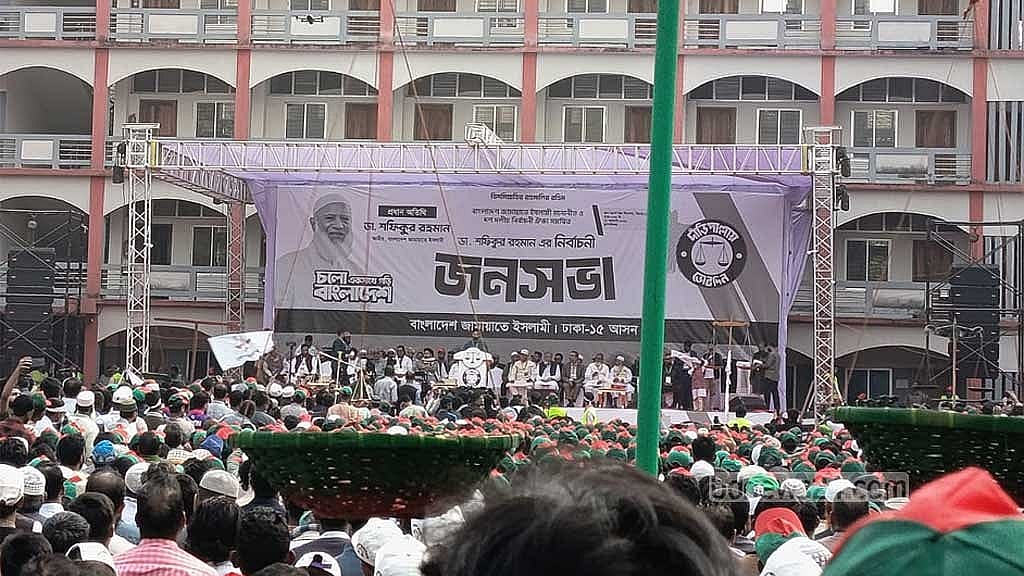
In the absence of its longstanding rival, the Bangladesh Nationalist Party (BNP) faces pressure from its old ally Jamaat e Islami, which has sought to rebrand itself under leader Shafiqur Rahman.
Alongside choosing new leadership, voters will also participate in a national referendum on state reforms.
While enthusiasm is high, the exclusion of the Awami League -- which still maintains a significant support base -- has raised questions among analysts regarding the inclusiveness of the polls.
The Election Commission (EC) and the interim government insist voter turnout will provide the answer.
Fifty parties are contesting, with 2,028 candidates vying for 299 seats.
Voting in Sherpur 3 has been postponed following a candidate’s death.
The primary contest is between the BNP’s Sheaf of Paddy and Jamaat’s Weighing Scale.

The BNP is led by Tarique Rahman, who returned after 17 years in exile shortly before the death of his mother Khaleda.
The party has formed seat-sharing alliances with several groups from the anti-Awami League movement.
Jamaat chief Shafiqur has attempted to rebrand the party, allied with the Liberal Democratic Party (LDP) and the National Citizen Party (NCP), a group formed by leaders of the July student Uprising.
The Jatiya Party and Islami Andolan Bangladesh are also in the fray.
The EC has said nearly 130 million voters are eligible to cast ballots between 7:30am and 4:30pm around 43,000 polling centres nationwide.
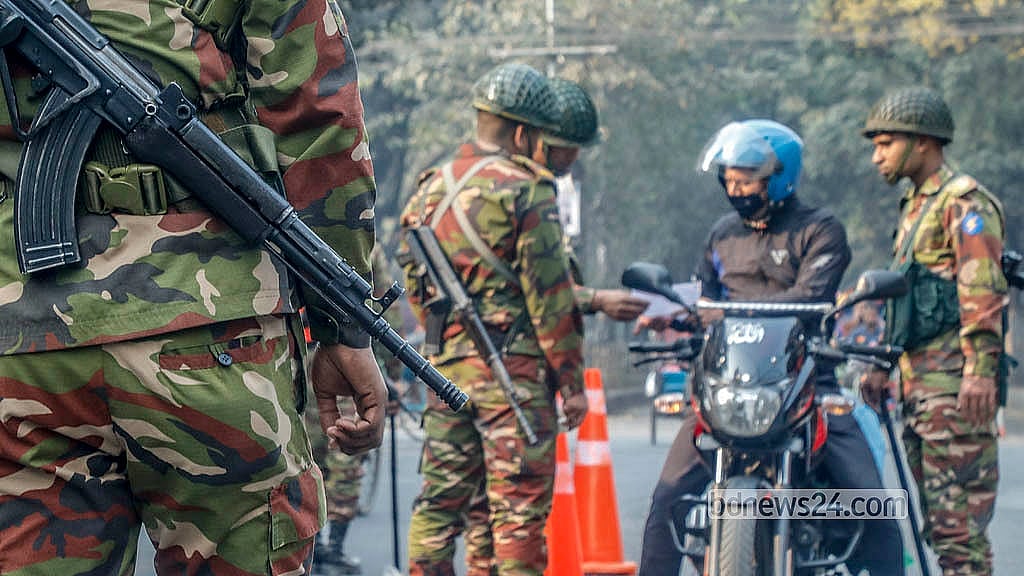
Security has been tightened across the country.

Chief Advisor Muhammad Yunus has urged citizens to embrace the election as a festive democratic experience, especially for millions of young voters casting ballots for the first time.
Chief Election Commissioner AMM Nasir Uddin, in a televised address, called on voters to exercise their rights without fear and to accept the results as part of the democratic process.
While some suggest Tarique is the frontrunner to be the next prime minister, the nation waits to see if this election can successfully bury the "controversial" legacy of the previous three polls held under the ousted regime.
MANDATE FOR CHANGE
Political analysts describe this election as a definitive departure from a decade of "staged" polls, framing it as the first genuine opportunity for citizens to exercise their franchise since 2008.
Prof Asif Mohammad Shahan of Dhaka University’s development studies department emphasises that the concurrent referendum makes this mandate particularly significant.
"We are restarting our journey toward a democratic system," he said. "If you cannot elect your own representative, the core principle of democracy -- your minimum exercise of power -- remains unfulfilled."
The election follows three widely discredited polls held under the ousted Awami League regime:
2014 ("The Uncontested Election"): 153 MPs were elected without a single vote cast after the opposition boycotted.
2018 ("The Midnight Election"): Marred by allegations of ballot-stuffing the night before polling day.
2024 ("The Dummy Election"): A lopsided contest where the ruling party faced its own "dummy" independent candidates to simulate competition.
Abdul Alim, a member of the commission investigating previous electoral irregularities, calls this the "people’s election”.
He noted that approximately 45 million first-time voters are expected to turn out.
"In 2024, voters saw no point in going because the result was a foregone conclusion. This year, they are eager to reclaim their rights," Alim said.
Addressing concerns about the Awami League's absence, Election Commissioner Abul Fazal Md Sanaullah told foreign observers that he does not anticipate a drop in turnout.
He noted that while the Awami League is not on the ballot, several of its former alliance partners are participating, maintaining a degree of political diversity at the booths.

FESTIVE CAMPAIGN, LINGERING FEARS
Despite scattered incidents of violence, the campaign atmosphere was largely festive, with rallies, marches and heated debates that rarely intensified.
Yet allegations of vote buying on the eve of polling cast a shadow over the celebrations.
Law enforcers detained the Thakurgaon district Jamaat chief at Saidpur Airport with Tk 7.4 million in cash, while another Jamaat leader was jailed in Dhaka 6 for allegedly distributing money near a polling centre.
Similar arrests were made in Cumilla, where a Jamaat leader and two BNP activists were accused of attempting to buy votes.
Such incidents have fuelled doubts among voters about whether the election will be free and fair.
The interim government and EC have urged citizens to put aside those fears and cast their ballots.
Interviews with 20 voters across the country revealed mixed reactions.
Some expressed concern over security, while others were more relaxed.
First time voter Raisa Tabassum admitted she was unsure whether she would vote, while fellow student Nadia Akter Mim said the “Gen Z revolution” gave her hope this election would be different.

Police reported 317 incidents of election related violence since the schedule was announced, leaving five dead and more than 600 injured.
Transparency International Bangladesh put the death toll at 15.
Analyst Abdul Alim said the election’s success lay in overcoming fears of disruption.
“There was an assumption the situation would deteriorate, but major incidents did not occur. That itself is a success,” he noted, adding that the Army’s presence with magistracy powers had reassured the public.
Prof Asif Shahan also warned that the spread of money posed a serious challenge.
“The administration must be vigilant so that votes are not bought. I trust people will vote for whom they truly want, not for money,” he said.
The EC says 127.7 million voters are registered nationwide, including more than 15 million postal voters.
MANIFESTOS UNDER SCRUTINY
BNP and Jamaat have unveiled election manifestos filled with promises, but analysts say there is little to distinguish between them.
The pledges, they argue, lack clarity on timelines and mechanisms for delivery.
BNP’s 51 point manifesto includes family cards for women, farmer cards, agricultural insurance, recruitment of 100,000 health workers, free school meals and uniforms, and compulsory third language education.
It also sets a target of building a trillion dollar economy by 2034.
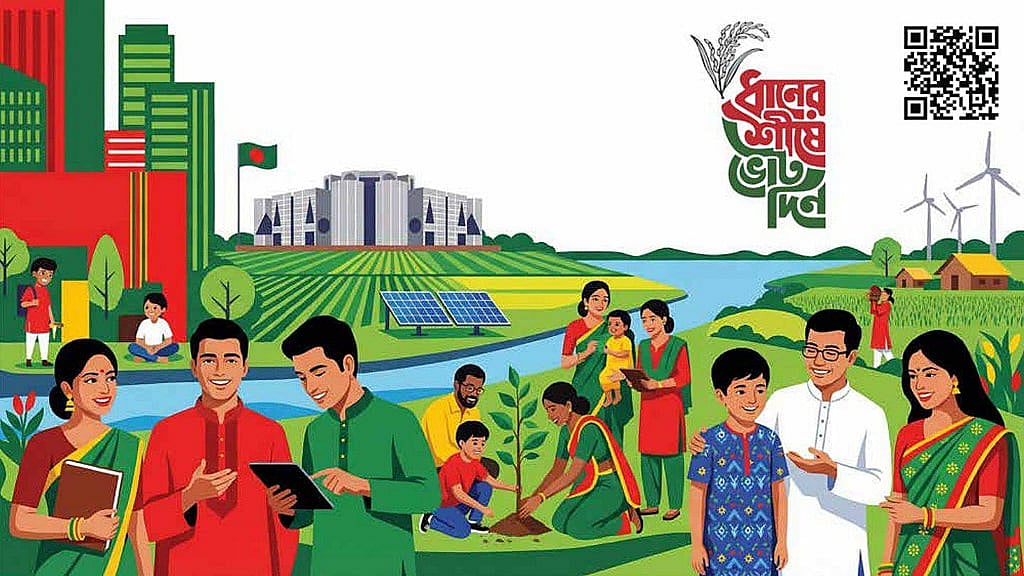
The party has promised to restore the caretaker government system, create a vice president’s post, limit the prime minister’s tenure to 10 years, establish an upper house in parliament, and ensure judicial independence.
Jamaat has listed 26 priorities and 41 specific pledges, including appointing women to the cabinet, family counselling centres, safe schools, mental health facilities, and support for children with special needs.
It has promised to create jobs for 70 million youths at home and abroad, raise gross domestic product (GDP) growth to 7 percent, and build a two trillion dollar economy by 2040 -- a projection analysts dismiss as unrealistic.
Political scientist Forhad Hossain Talukder noted that Jamaat provided no calculation to support its economic target, estimating instead that Bangladesh’s economy could reach around $1.5 trillion by 2040.
On foreign policy, Jamaat pledged to enhance the value of Bangladesh’s passport and build relations with neighbours based on mutual respect.
The National Citizen Party (NCP), meanwhile, promised to establish a technology driven defence force and introduce compulsory military training for youths over 18.
[Writing in English by Arshi Fatiha Quazi]











