Published : 21 Oct 2014, 01:19 PM
Updated : 08 Aug 2022, 07:16 PM


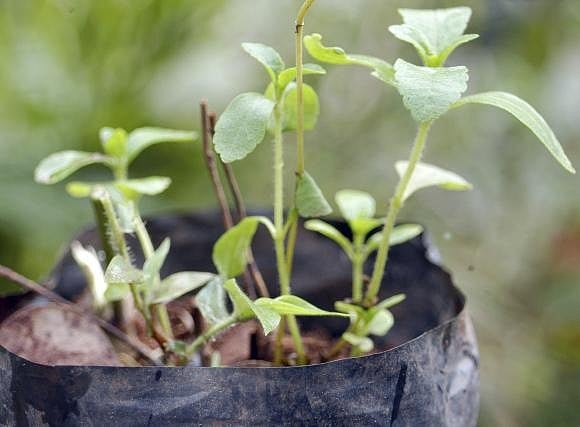
In less than a decade, the sweet-tasting stevia powder has stolen a big chunk of the $1.3-billion global market for artificial sweeteners as more health-conscious consumers use it in what they eat and drink.
Consumers' appetite for artificial sweeteners like Cumberland Packing Co.'s Sweet'N Low and corn syrup has waned amid rising interest in foods perceived as natural.
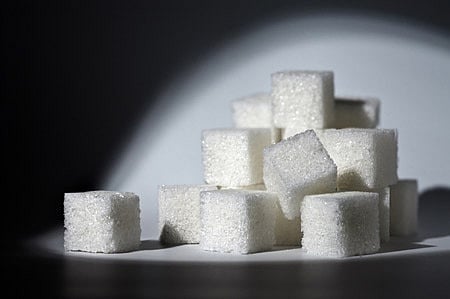
The powerful corporations that dominate the global sugar market are also facing slowing demand, especially in the United States, for refined sugar that is used in everything from coffee to cakes. The US slowdown is due in part to concerns about extremely high rates of obesity and diabetes.
Big Sugar's response? To offer new non-sugar products that are not calorific, are suitable for diabetes sufferers and, more importantly, are seen as a more attractive alternative for health-conscious consumers than artificial sweeteners.
"If you look down the sweeteners aisle at any supermarket, there are stevia products there. Whatever consumers are looking for, we want to provide," Domino President and Chief Executive Officer Brian O'Malley told Reuters.
ASR Group, which sells Domino Sugar and is the world's largest refiner of cane sugar, will launch its new product by the end of the year - its first to be made solely from the plant extract rather than a blend of sugar and stevia.
For ASR Group, which also owns the Tate & Lyle brand, it's a bold move: sugar represents 98 percent of its business.
But stevia's low production costs and relatively high retail sales prices are a sweet spot for food companies.
After spying growing interest four years ago, Louis Dreyfus Corp.'s Imperial Sugar has its own blends of sugar and stevia, and agri business Cargill Inc.'s Truvia brand is the US market leader after entering the fray in 2008.
Archer Daniels Midland Co, a major player in the US corn syrup market and globalcommodities trade, this month completed a $3-billion acquisition of Wild Flavors, looking to expand in the fast-growing "natural" markets.
To be sure, demand is still tiny compared with global sugar consumption of more than 170 million tonnes. It is also still a rare ingredient in US foods - only 1.5 percent of new food products launched in the first nine months of 2014 contained stevia, Datamonitor Consumer's database shows.
Some health experts caution the sweetener contains additives as well as the plant extract. Questions also remain whether its taste can really match the flavor of sugar.
Still, US consumers will eat and drink about 597 tonnes of stevia in manufactured food and drinks by 2018, with demand soaring from a meager 14.5 tonnes in 2008, according to estimates from market research group Euromonitor International.
Over the same period, the country's demand for artificial sweetener aspartame is expected to drop by a third to 3,243 tonnes, Euromonitor's forecasts show. US sugar consumption has stagnated - the average American consumed about 68 pounds of refined sugar last year, down from a 1972 peak of over 102 pounds, according to the US Agriculture Department (USDA).
Natural no-calorie sweeteners "have definitely eroded some volume of traditional sugar sources," Steve French, managing partner of market research firm Natural MarketingInstitute (NMI) in Harleysville, Pennsylvania.
"It's not that we're using more sweeteners as a population, we're just shifting usage across different types of sweeteners."
Roots in Paraguay
Stevia's roots go back to Paraguay and Brazil, where people have used leaves from the plant to sweeten food for centuries.